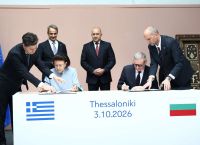
Bloomberg: Turkey Prepares Maritime Zones Bill Covering the Aegean and Eastern Mediterranean
 ΧΡΟΝΟΣ ΑΝΑΓΝΩΣΗΣ 3 '
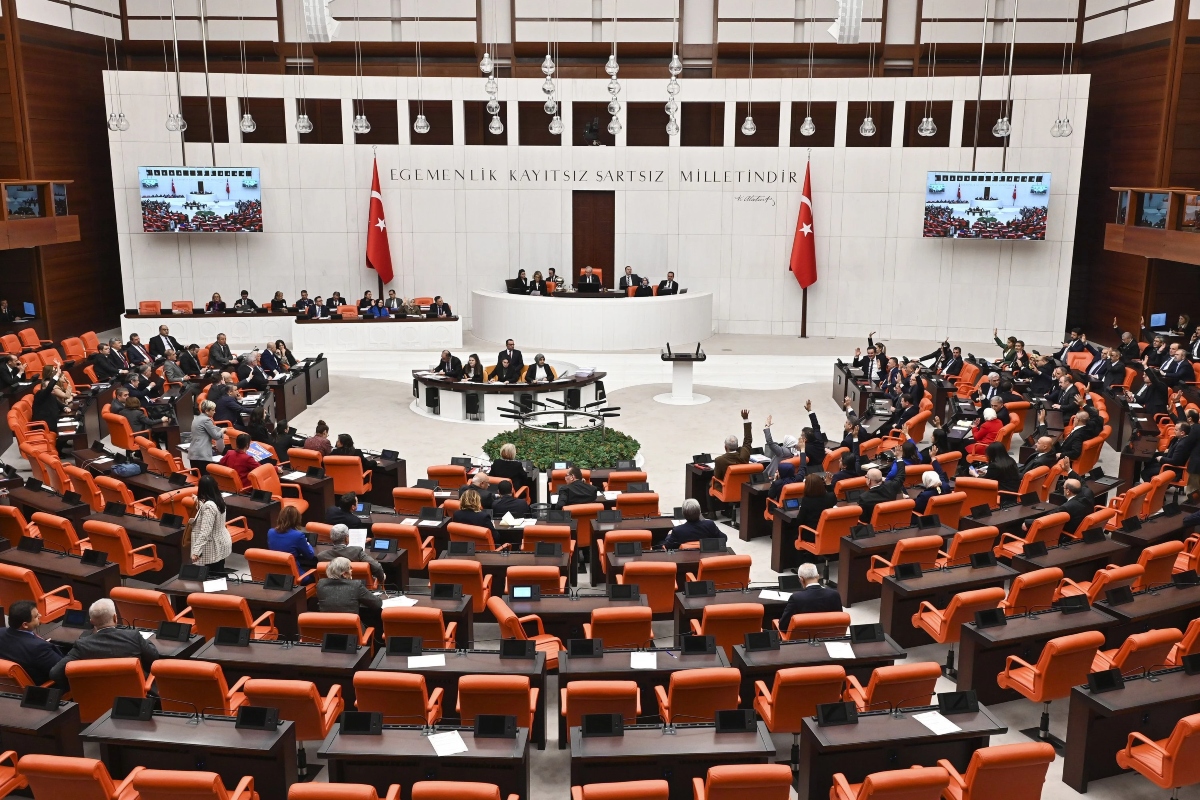
Πηγή Φωτογραφίας: eurokinissi//Bloomberg: Turkey Prepares Maritime Zones Bill Covering the Aegean and Eastern Mediterranean



The government of Turkey is preparing legislation that would redefine maritime jurisdiction in disputed areas of the Aegean Sea and the Eastern Mediterranean, according to a Bloomberg report.
The initiative comes amid rising tensions with Greece and Cyprus, as the region remains a focal point of energy competition and geopolitical rivalry.
Content of the draft bill
According to sources cited in the report, the proposed framework would:
- formally assert Turkish maritime claims based on Ankara’s interpretation of international law
- recognize rights over energy resources for Turkey and the self-declared Turkish Republic of Northern Cyprus
- institutionalize claims over areas believed to contain natural gas reserves
Ankara reportedly argues that islands cannot generate full Exclusive Economic Zones (EEZs), instead emphasizing the principle of “continental projection”.
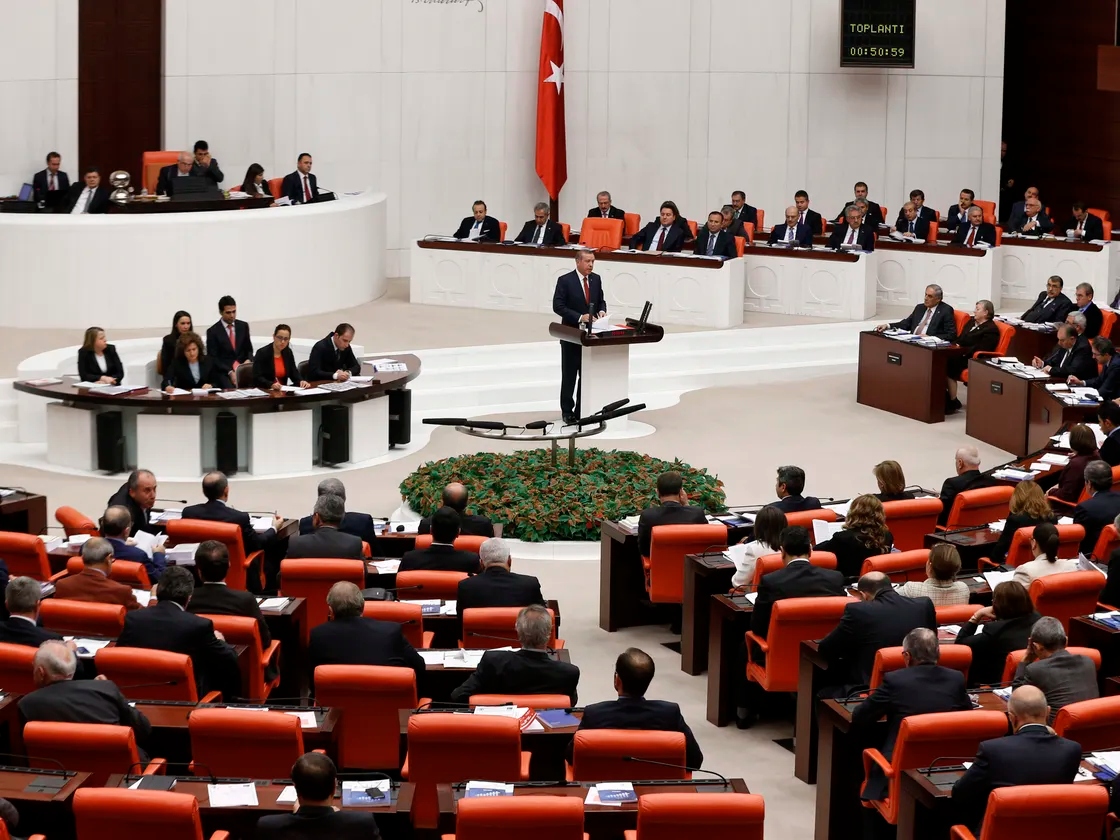
Clash of legal interpretations
The core dispute centers on maritime delimitation rules:
- Greece and Cyprus argue that islands have full EEZ and continental shelf rights
- Turkey rejects this, insisting that only mainland coastlines should determine maritime boundaries
This legal divergence remains the central issue in long-standing disputes in the Eastern Mediterranean.
Energy and geopolitical competition
The bill is closely tied to competition over offshore energy resources, as the Eastern Mediterranean is believed to contain significant natural gas deposits.
The region has become a strategic intersection of interests involving:
- regional states (Greece, Turkey, Cyprus, Israel)
- international energy corporations
- global powers seeking energy security
Regional tensions and diplomatic reactions
The report notes that:
- tensions with Greece and Cyprus are expected to rise
- the European Union is closely monitoring developments
- the United States is calling for dialogue and de-escalation
The EU has previously considered sanctions in response to Turkish drilling activities in disputed waters.
Political rhetoric in Ankara
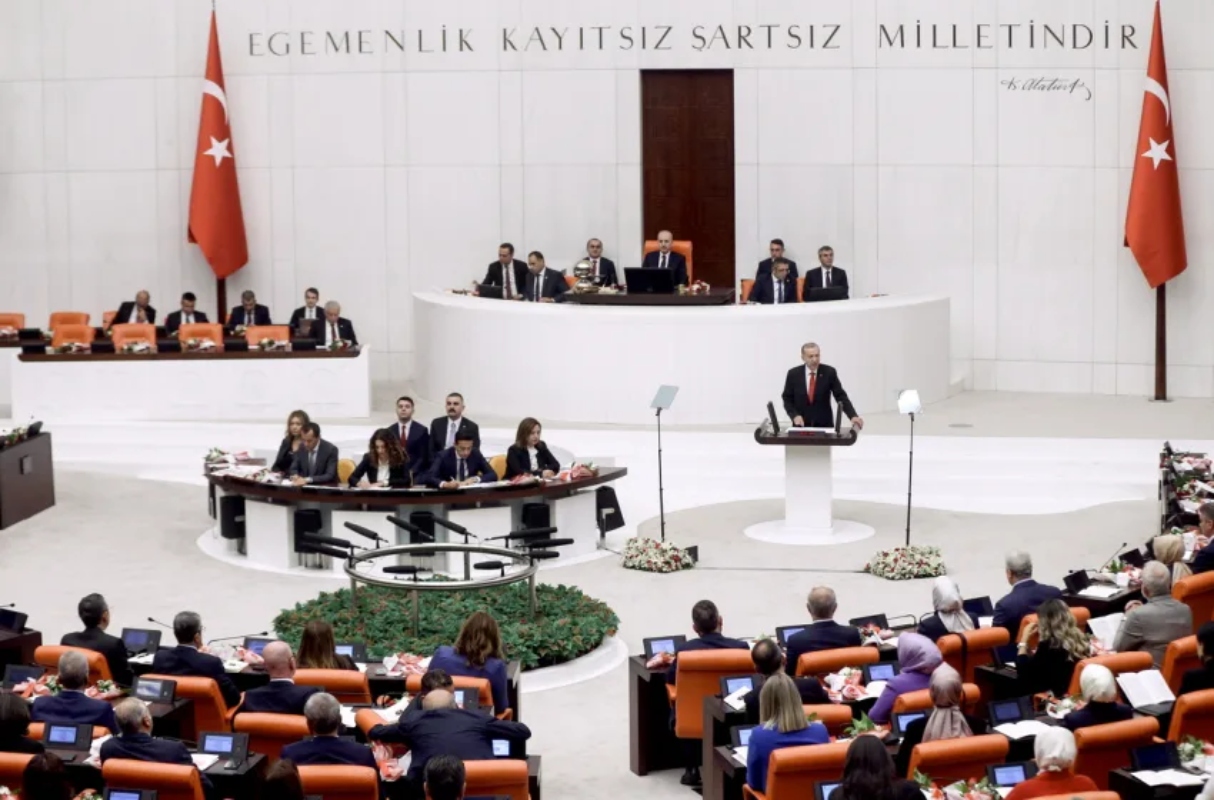
Nationalist leader Devlet Bahçeli stated that Turkey does not seek escalation but will respond strongly to any actions that ignore its rights or those of Turkish Cypriots.
This rhetoric reinforces perceptions of a more assertive Turkish foreign policy in the Eastern Mediterranean.
Cyprus at the center of the dispute
The division of Cyprus continues to complicate the situation, with the internationally recognized Republic of Cyprus exercising sovereignty over the entire island, while Turkey supports the breakaway northern entity.
This makes offshore energy reserves in the region even more geopolitically sensitive.
The emerging Turkish maritime zones bill could become a new flashpoint in the Eastern Mediterranean, reviving long-standing disputes with Greece and Cyprus.
The region remains one of the world’s most complex geopolitical theaters, where energy resources, international law, and strategic rivalries intersect directly.
Source: pagenews.gr
Διαβάστε όλες τις τελευταίες Ειδήσεις από την Ελλάδα και τον Κόσμο