Greece Tightens Tourism Construction Rules: Land Requirements Rise to 16 Acres in Hotspots
 ΧΡΟΝΟΣ ΑΝΑΓΝΩΣΗΣ 5 '
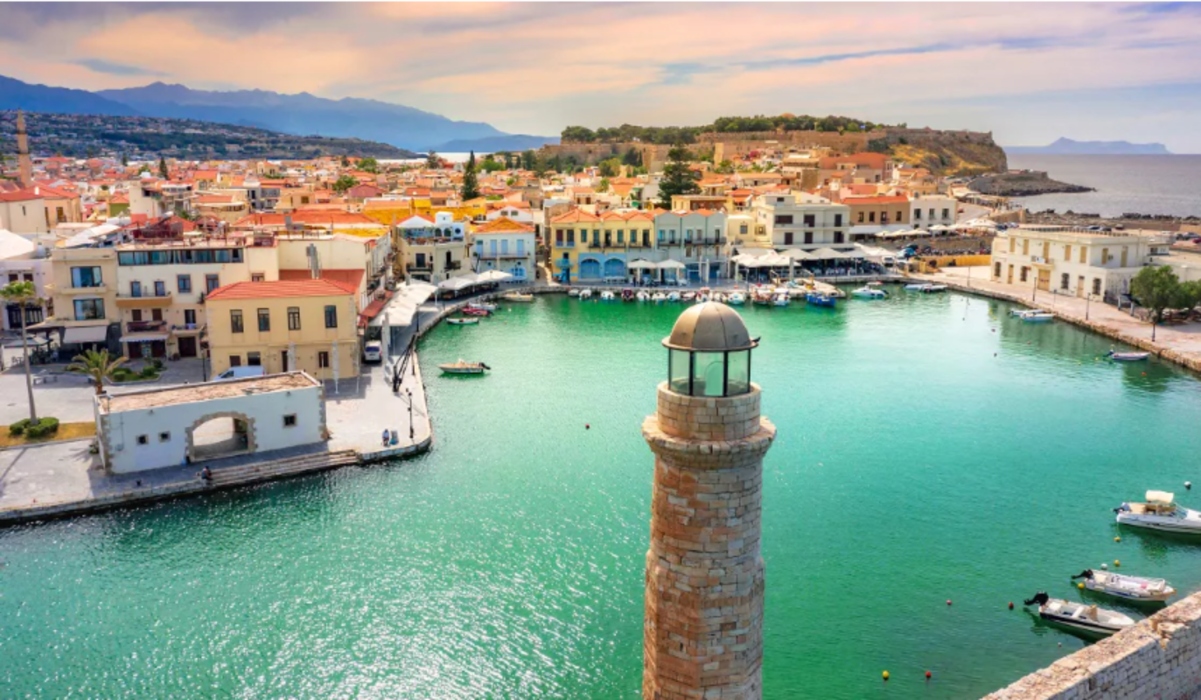
Πηγή Φωτογραφίας: pixabay//Greece Tightens Tourism Construction Rules: Land Requirements Rise to 16 Acres in Hotspots



Greece is entering a new era of tourism development planning, aiming to curb uncontrolled construction and overtourism pressures that have intensified across the country’s most popular destinations.
The new Special Spatial Planning Framework for Tourism, presented by Olga Kefalogianni and Stavros Papastavrou, introduces tougher building regulations, significantly increases minimum land requirements for new tourism projects, and categorizes destinations according to their environmental carrying capacity and tourism pressure.
“Red Zone” Destinations Face Land Requirements of up to 16 Acres
The most significant change concerns off-plan tourism construction.
Until now, tourism developments could be built on plots as small as 4 acres. Under the new framework, the minimum land requirement rises to:
- 8 acres in early-stage or low-pressure tourism areas,
- 12 acres in developed tourism destinations,
- and up to 16 acres in heavily saturated tourism zones.
Authorities identified 18 highly burdened municipal districts across Greece, including:
- Mykonos
- Santorini
- Rhodes
- Corfu
- Zakynthos
- Sporades
- parts of Crete and Pieria.
These areas are considered to be under severe pressure due to water shortages, infrastructure strain, and environmental stress caused by mass tourism growth.

New Caps on Hotel Beds to Combat Overtourism
The framework also introduces strict limits on the number of beds allowed in new tourism developments.
In high-pressure destinations, new projects will be limited to 100 beds, while developed tourism areas will allow up to 350 beds.
Lower-pressure regions will not face bed restrictions, as the government seeks to encourage tourism expansion into alternative destinations and reduce concentration in overcrowded islands and coastal areas.
“Further tourism growth cannot continue under the same conditions of the previous decade,” government officials stated during the presentation.
Strict Coastal Protection: No Construction Within 25 Meters of Shoreline
One of the toughest measures concerns Greece’s coastal zones.
Under the new rules, the first 25 meters from the shoreline will be placed under full protection status, banning all new construction and landscaping interventions.
Exceptions will apply only for:
- public utility infrastructure,
- accessibility projects for people with disabilities,
- and emergency access facilities.
The measure is seen as one of the strongest coastal protection initiatives introduced in Greece in recent years.
Greece Divided Into Five Tourism Development Categories
For the first time, the country will be divided into five tourism planning categories:
Category A – Controlled Development Areas
Highly saturated destinations where strict controls apply and priority is given to upgrading existing hotels rather than building new ones.
Category B – Developed Tourism Areas
Regions with strong tourism activity but lower pressure levels.
Category C – Emerging Tourism Areas
Destinations where sustainable tourism investments are encouraged.
Category D – Early-Stage Tourism Areas
Areas with limited tourism development and potential for mild expansion.

Category E – Special Tourism Development Areas
Regions focused on niche tourism sectors such as:
- mountain tourism,
- wellness tourism,
- diving tourism,
- and marine tourism.
Greek Islands Under Special Monitoring
The new framework introduces additional controls for islands based on their size:
- Large islands above 250 sq. km,
- Medium-sized islands between 20–250 sq. km,
- Small islands below 20 sq. km,
- and a special protection regime for islands smaller than 1,000 acres.
Smaller islands will face stricter environmental and construction restrictions in order to preserve their identity and ecological balance.
Short-Term Rentals and Airbnb Regulations Also Tightened
The framework opens the door to stricter regulation of short-term rentals and Airbnb-style accommodation.
Potential measures include:
- geographical restriction zones,
- annual rental duration limits,
- restrictions on newly built properties,
- and tighter controls in overtourism areas.
The government acknowledged that short-term rentals increasingly affect housing affordability and the social fabric of tourism destinations.
Existing Approved Projects Exempt From New Rules
According to the Ministry of Environment, projects that already possess approved environmental studies or completed licensing procedures will not be affected by the new regulations.
“The market will not be taken by surprise,” officials emphasized, seeking to reassure investors and tourism developers.
Public Consultation Open Until May 25
The draft framework will remain under consultation until May 25, with the government aiming to:
- finalize the review process in early June,
- secure approval from planning authorities,
- and publish the final Joint Ministerial Decision in the Government Gazette by the end of June.
Government spokesperson Pavlos Marinakis described the framework as:
“the compass for Greece’s tourism development strategy in the years ahead.”
A Turning Point for Greek Tourism
The new spatial tourism framework reflects Greece’s effort to balance:
- economic growth,
- tourism investment,
- environmental protection,
- and the growing challenge of overtourism.
The country’s future tourism model appears set to become more regulated, environmentally focused, and increasingly centered on sustainability and carrying capacity
Source: pagenews.gr
Διαβάστε όλες τις τελευταίες Ειδήσεις από την Ελλάδα και τον Κόσμο