Papastavrou from Houston: Greece Emerges as the West’s Energy Hub in the Eastern Mediterranean
 ΧΡΟΝΟΣ ΑΝΑΓΝΩΣΗΣ 5 '
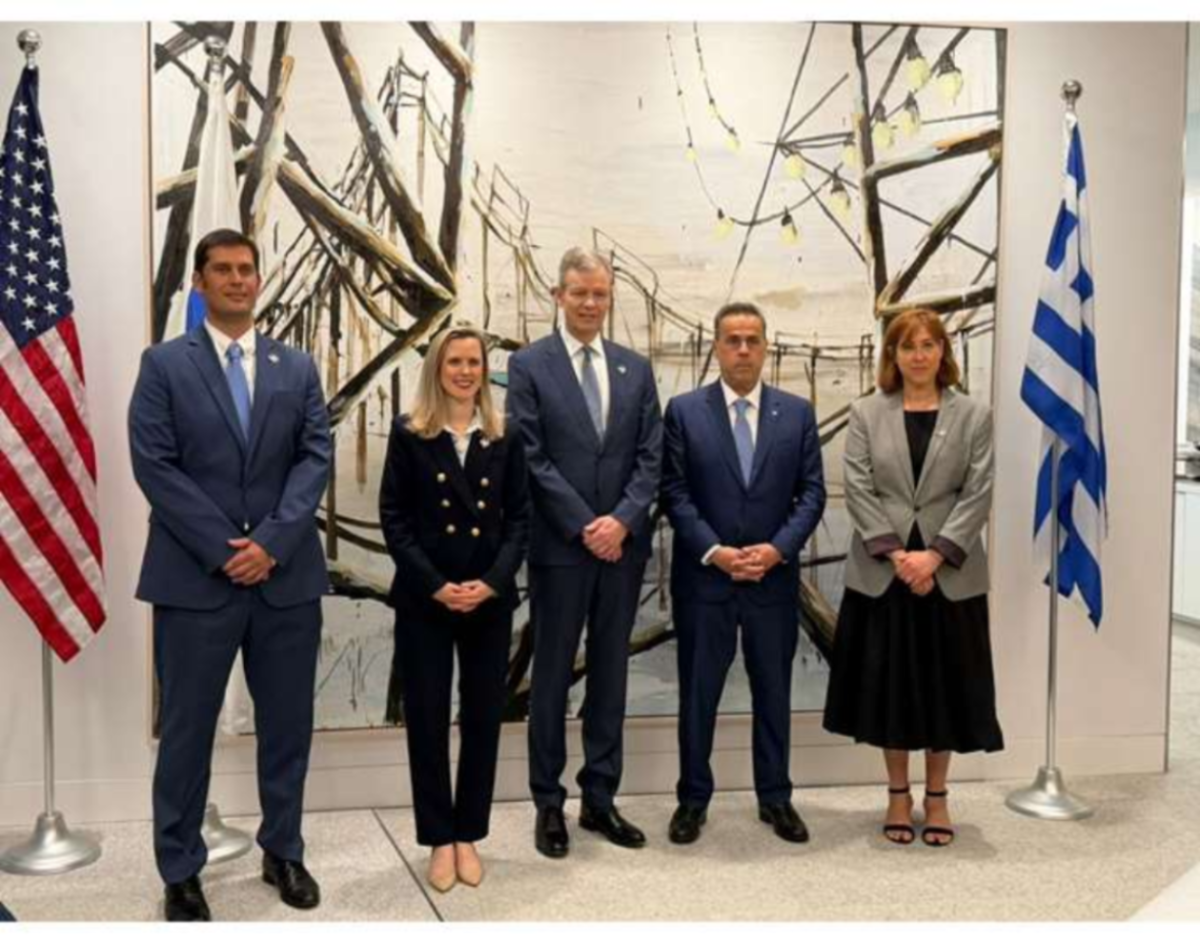
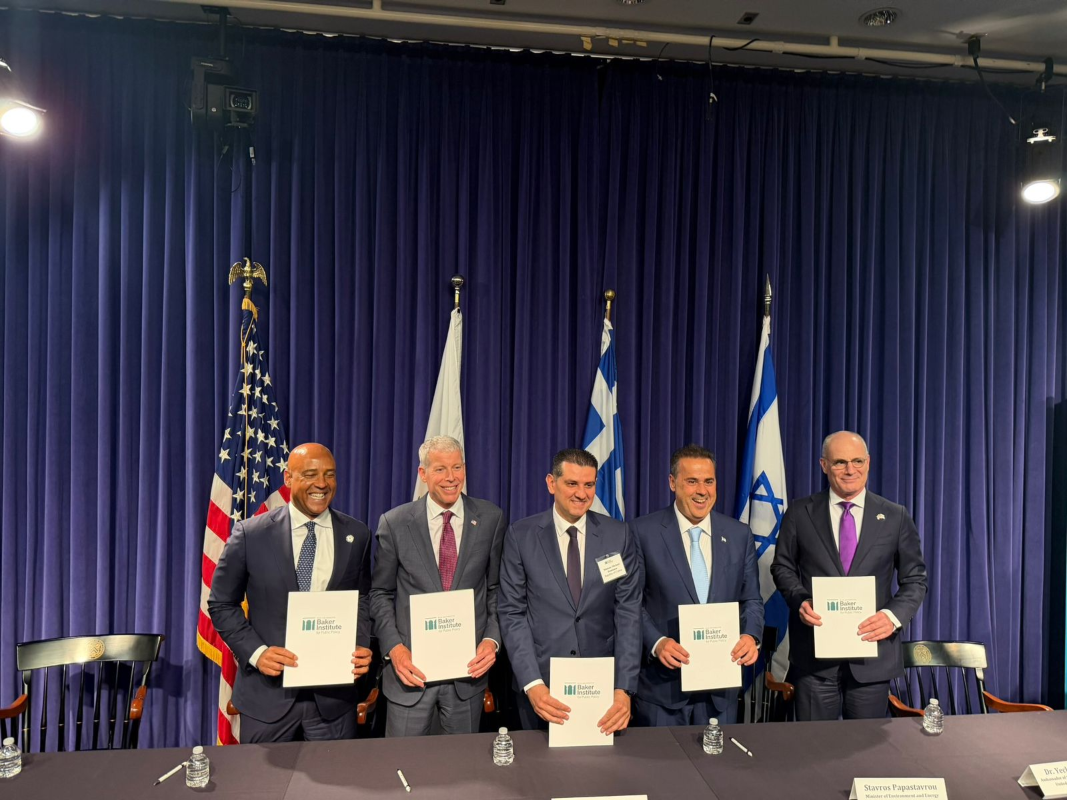
Πηγή Φωτογραφίας: ministry of energy//Papastavrou from Houston: Greece Emerges as the West’s Energy Hub in the Eastern Mediterranean



At a time when the Eastern Mediterranean is becoming one of the most strategically important regions in the world, Greece has secured another major diplomatic and energy milestone.
The signing of the declaration establishing the East Med Energy Center (EMEC) in Houston, Texas, is far more than a symbolic act of cooperation. It represents a strategic move with significant geopolitical, energy and economic implications, strengthening Greece’s position as a key pillar of stability and energy security in the wider region.
A New Energy Hub for the Eastern Mediterranean
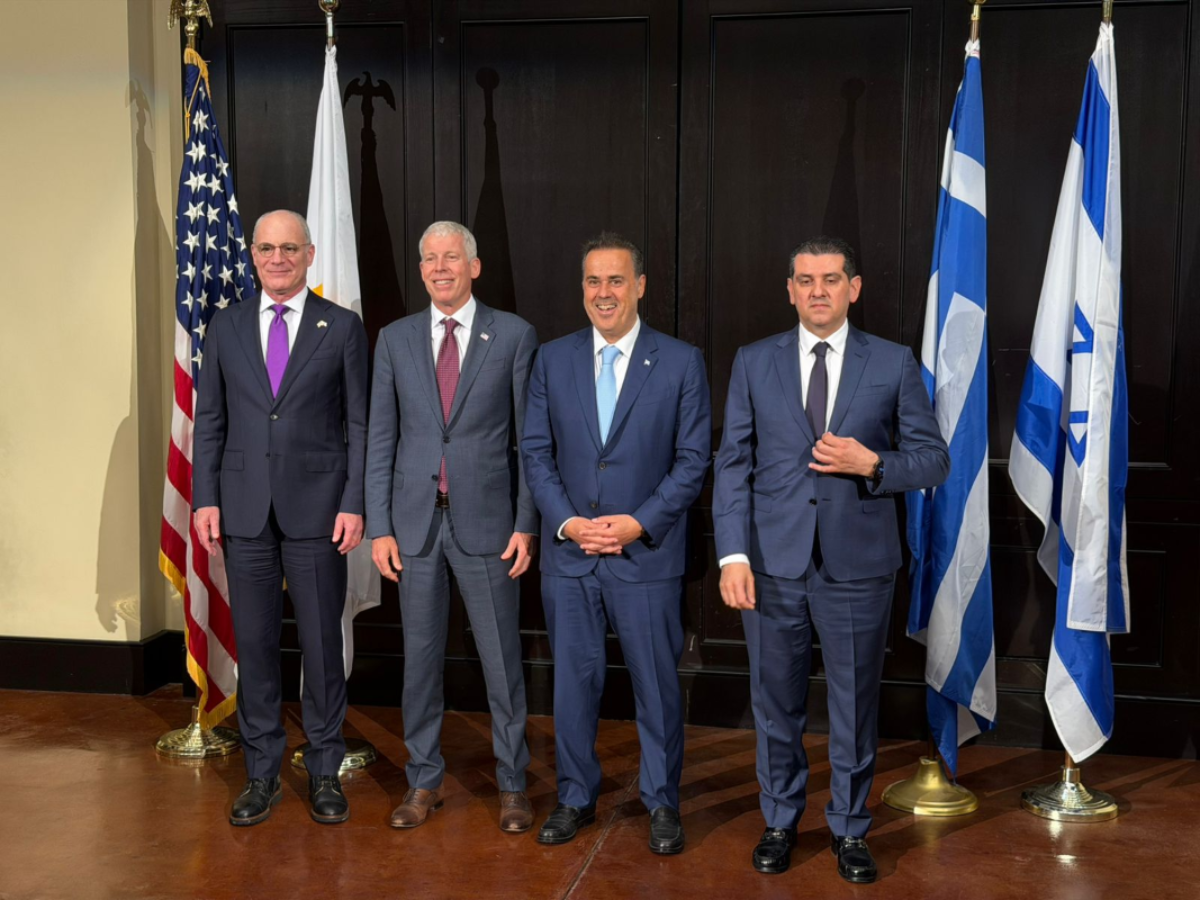
The joint presence of the United States, Greece, Cyprus and Israel at the ministerial meeting confirmed that the 3+1 Energy Cooperation Framework has evolved far beyond a regional dialogue mechanism.
The participation of U.S. Energy Secretary Chris Wright alongside Greek Minister of Environment and Energy Stavros Papastavrou, Cypriot Energy Minister George Papanastasiou’s representatives, and senior Israeli officials sent a clear signal that the partnership has acquired substantial strategic depth.
The newly established East Med Energy Center aims to become a permanent platform for research, innovation and policy development in the fields of energy security, infrastructure and regional cooperation.
Papastavrou: “A Historic Moment”
Greek Energy Minister Stavros Papastavrou described the signing ceremony as a landmark event.
“Greece, Cyprus, Israel and the United States are joining forces to deepen our strategic cooperation and strengthen connectivity across the Eastern Mediterranean,” he stated.
His remarks highlighted a broader vision that goes beyond energy production and distribution. The initiative seeks to transform energy cooperation into a driver of regional stability, economic growth and collective security.
The new center will bring together academic excellence, scientific research, technological innovation, private-sector expertise and energy know-how under a common institutional framework.
A Message Against Destabilization
One of the most politically significant elements of Papastavrou’s speech was his warning against attempts to use energy as a geopolitical weapon.
“Energy must never be weaponized. Unilateral actions and threats that undermine regional stability have no place in our shared future,” he emphasized.
The statement was widely interpreted as a message to all actors in the region that sustainable energy development can only be achieved through cooperation, mutual respect and adherence to international law.
As competition over energy routes and resources intensifies, Athens is positioning itself as a champion of multilateralism and strategic partnerships.
The New Energy Map of the Region
The creation of EMEC is closely linked to a broader network of regional projects and investments that are reshaping the Eastern Mediterranean energy landscape.
Among the key issues discussed during the Houston meetings were:
- The development of the Vertical Gas Corridor.
- Cross-border electricity interconnections.
- Cybersecurity cooperation.
- Hydrocarbon exploration projects.
- New strategic energy investments.
Particular attention was given to ExxonMobil’s planned exploratory drilling operation in Northwestern Ionian waters in 2027, as well as Chevron’s growing interest in expanding its presence in Greece.
These developments further strengthen Greece’s image as a reliable energy partner and an increasingly attractive destination for international investment.
The Mitsotakis Strategy Gains Momentum
For the Greek government, the Houston agreement represents another validation of the strategic direction pursued over the past several years.
This strategy has focused on:
- Deepening cooperation with the United States.
- Strengthening ties with Israel.
- Expanding regional energy connectivity.
- Transforming Greece into a major energy gateway for Europe.
The fact that EMEC is being developed in cooperation with Rice University—one of the world’s leading academic institutions in energy research—adds significant international credibility to the initiative.
Houston was not merely the venue for another international energy conference.
It became the birthplace of a new strategic architecture for the Eastern Mediterranean.
Greece is no longer acting as a passive observer of regional developments. It is emerging as a central player in a strategic partnership that includes the United States, Israel and Cyprus.
The establishment of the East Med Energy Center is more than an energy project.
It is a geopolitical statement.
It demonstrates that Athens is steadily evolving into a critical hub for energy security, regional stability and international cooperation in one of the most consequential regions of the world.
The message sent from Houston is unmistakable: Greece intends to play a leading role in shaping the energy future of the Eastern Mediterranean—and it now has the alliances and strategic framework to do so.
Διαβάστε όλες τις τελευταίες Ειδήσεις από την Ελλάδα και τον Κόσμο