Papastavrou Pushes for a Genuine EU Power Market:“Europe Needs One Electricity Market,Not 27 Fragmented Ones”
 ΧΡΟΝΟΣ ΑΝΑΓΝΩΣΗΣ 5 '
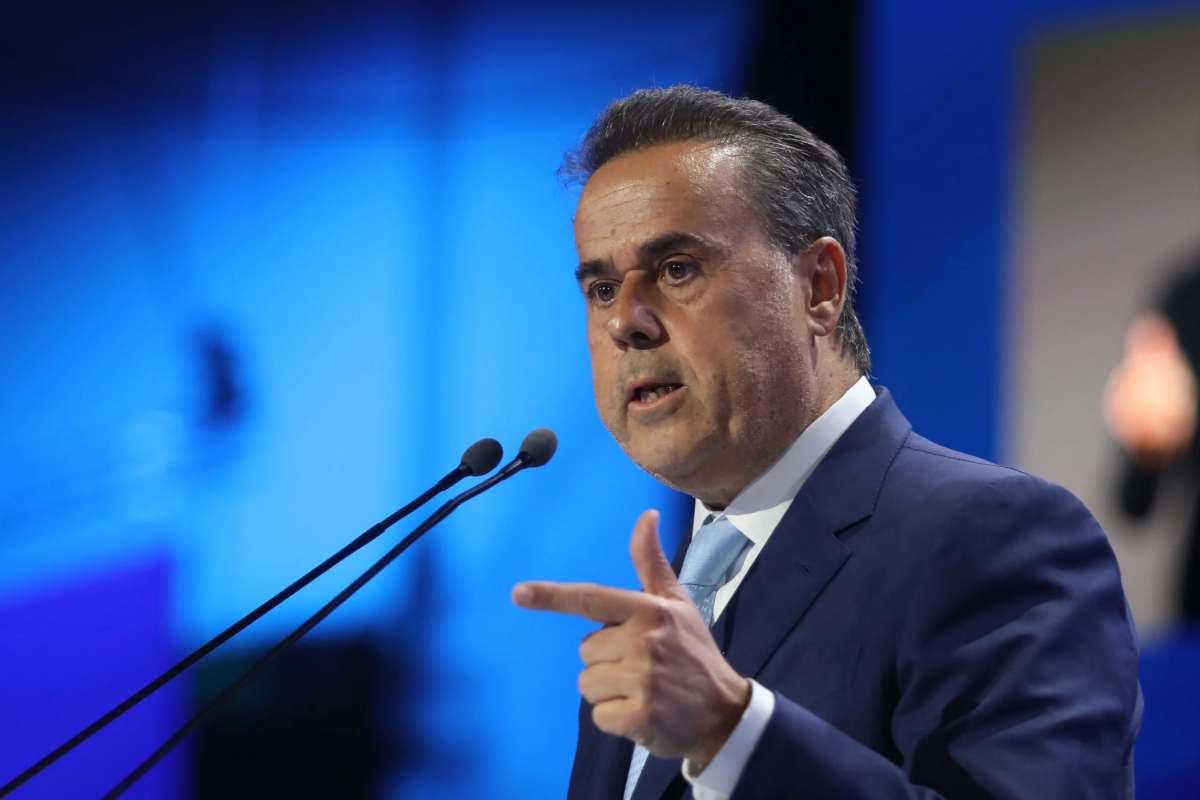
Πηγή Φωτογραφίας: eurokinissi//Papastavrou Pushes for a Genuine EU Power Market: “Europe Needs One Electricity Market, Not 27 Fragmented Ones”



The debate over Europe’s energy future has entered a new political phase, with the focus shifting from emergency market interventions to structural reforms aimed at completing the European Energy Union.
At the EU Energy Council in Luxembourg, Greece placed electricity grids and cross-border interconnections at the center of the policy agenda, arguing that Europe’s long-term competitiveness will depend on its ability to transform today’s fragmented electricity markets into a genuinely integrated system.
Representing Greece, Environment and Energy Minister Stavros Papastavrou, accompanied by Deputy Minister Nikos Tsafos, urged the European Union to move beyond nationally fragmented electricity markets and adopt a coordinated continental strategy.
“The time for decisions has finally come. Europe must move swiftly towards a central plan that will create a truly integrated electricity market—not 27 fragmented national markets.”
From National Measures to European Structural Reform
Athens’ intervention reflects a broader strategic effort to elevate the discussion from temporary national subsidies to structural reform at the European level.
According to government officials, persistent disparities in wholesale electricity prices across EU member states—particularly between Northern and Southeastern Europe—are no longer viewed as temporary market distortions but as evidence of structural shortcomings in the current market architecture.
In Greece’s assessment, insufficient interconnection capacity, transmission bottlenecks and uneven infrastructure investment continue to prevent the Single Electricity Market from functioning effectively.
The government’s position is that only deeper market integration can reduce price disparities, improve efficiency and strengthen Europe’s economic resilience.
Electricity Grids Become a Strategic Policy Issue
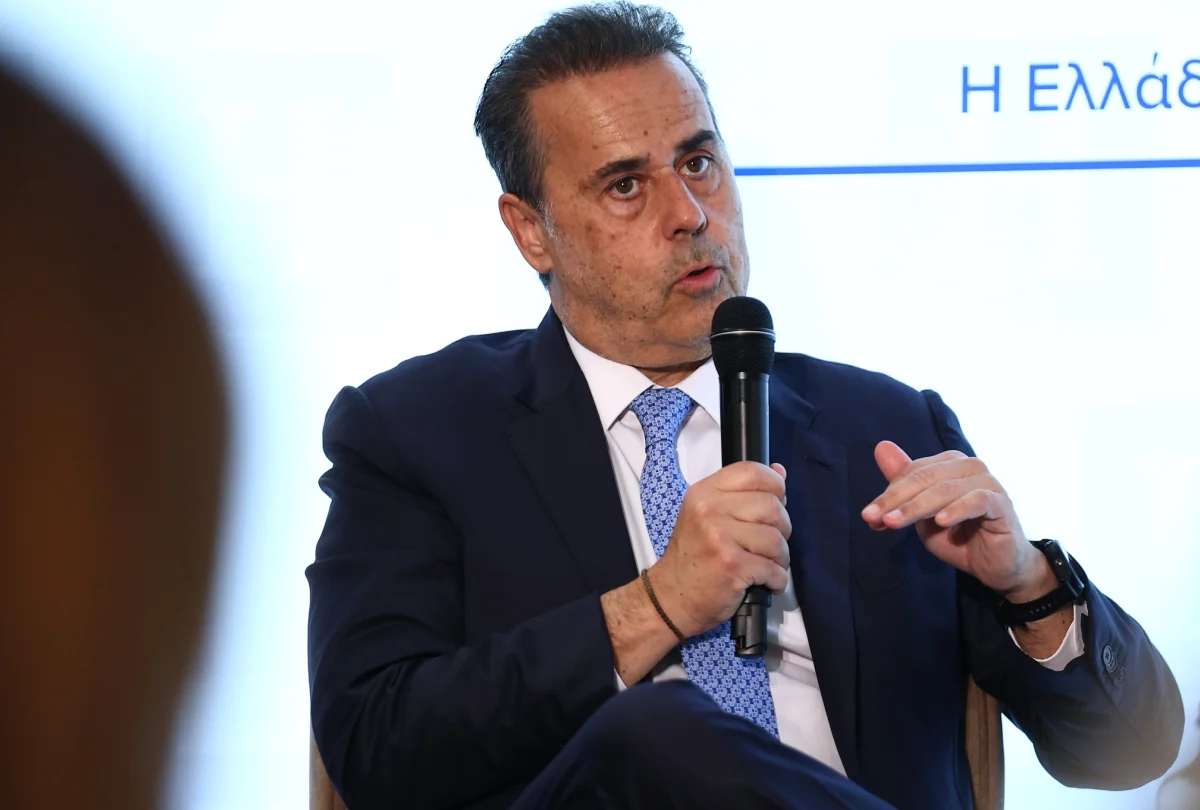
Papastavrou emphasized that electricity networks should no longer be viewed as purely technical infrastructure.
Instead, he argued, they have become central to three of the European Union’s strategic priorities:
- energy security;
- industrial competitiveness; and
- economic and territorial cohesion.
“Grids and interconnections are not merely a technical issue. They concern us all. They are fundamental to Europe’s energy security, competitiveness and cohesion because they help reduce price disparities between member states.”
His remarks align with the broader European debate on strengthening transmission infrastructure as renewable energy capacity expands across the continent and electricity flows become increasingly cross-border.
Greece’s Investment Strategy
The minister also highlighted Greece’s domestic investment agenda, arguing that the country has consistently prioritized electricity infrastructure since 2019.
He pointed to the recent successful capital increase of Greece’s Independent Power Transmission Operator (IPTO/ADMIE) as a milestone that will enable the company to deliver one of the country’s most ambitious grid investment programs.
According to the government, these investments are expected to reinforce Greece’s role as a strategic energy hub connecting Southeastern Europe with the broader European electricity system.
€1 Billion Consumer Benefit from Island Interconnections
A key element of Greece’s energy strategy remains the completion of electricity interconnections linking the mainland with Crete, the North Aegean islands, the Dodecanese, and the Cyclades.
According to Papastavrou, once these projects are completed, they are expected to generate approximately €1 billion in savings for Greek consumers.
The government argues that replacing expensive oil-fired generation on non-interconnected islands with mainland electricity and renewable energy will significantly lower system costs while improving reliability and accelerating the energy transition.
Energy Union as a Political Priority
Greece’s intervention comes as the European Union seeks to redefine its energy governance model following years of geopolitical disruption and market volatility.
Political observers see Athens positioning itself among member states advocating faster integration of Europe’s electricity market, arguing that energy policy has evolved into a cornerstone of the EU’s broader agenda on strategic autonomy and industrial competitiveness.
Rather than focusing solely on short-term price interventions, Greece is calling for a structural response based on expanded cross-border infrastructure, deeper market integration and coordinated European investment.
The Next Phase of EU Energy Policy
The discussion in Luxembourg is expected to feed into the European Commission’s broader agenda on electricity market reform, grid modernization and energy infrastructure financing.
From Athens’ perspective, the issue extends well beyond electricity prices. It concerns the future architecture of the European Energy Union itself.
Government officials argue that a genuinely integrated electricity market would strengthen Europe’s resilience, reduce regional inequalities, improve industrial competitiveness and deliver more affordable energy to households and businesses across the Union.
As Europe accelerates its green transition while confronting growing geopolitical and economic pressures, Greece is seeking to frame electricity interconnections not simply as infrastructure projects, but as strategic investments in the future cohesion and competitiveness of the European Union.
Source: pagenews.gr
Διαβάστε όλες τις τελευταίες Ειδήσεις από την Ελλάδα και τον Κόσμο