ENERGY CHESSBOARD IN THE EU: What the June 26 Energy Council Could Decide for Europe’s Future
 ΧΡΟΝΟΣ ΑΝΑΓΝΩΣΗΣ 5 '
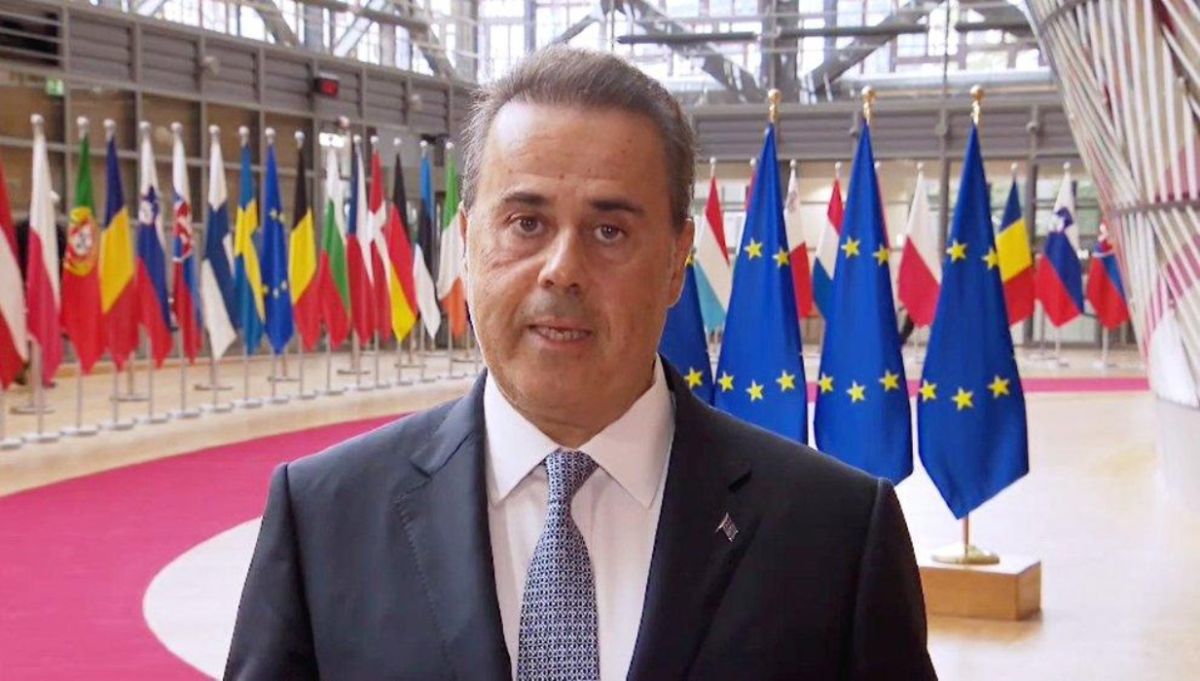
Πηγή Φωτογραφίας: eurokinissi//ENERGY CHESSBOARD IN THE EU: What the June 26 Energy Council Could Decide for Europe’s Future



The European Union is approaching one of the most critical energy policy decisions of recent years.
The meeting of EU Energy Ministers on June 26 will not be just another technical gathering in Brussels. It is expected to become a major geo-economic and geopolitical milestone, as member states seek to redefine Europe’s energy future amid growing international tensions, volatile markets, and an increasingly competitive global environment.
At the same time, developments surrounding a potential U.S.–Iran agreement, uncertainty in the Strait of Hormuz, Russia’s energy strategy, and pressure on energy prices are creating a complex landscape that directly influences European decision-making.
The Main Issue: Ending Dependence on Russian Energy
Despite sanctions imposed following the war in Ukraine, Europe continues to import significant quantities of Russian energy, particularly liquefied natural gas (LNG).
A growing number of EU governments are now pushing for stronger measures aimed at reducing or eliminating this dependence.
Energy ministers are expected to discuss:
- A gradual phase-out of Russian natural gas imports.
- Restrictions on new long-term contracts.
- New mechanisms to strengthen energy security.
- Alternative supply routes and partnerships.
The debate remains politically sensitive.
Several Central European countries continue to rely heavily on Russian energy supplies, while others argue that Europe’s strategic autonomy requires a complete energy break with Moscow.
The Iran Factor and the Strait of Hormuz
Events in the Middle East are increasingly shaping Europe’s energy strategy.
If the emerging U.S.–Iran agreement succeeds and shipping traffic fully resumes through the Strait of Hormuz, Europe could gain access to larger volumes of oil and natural gas from Gulf producers.
However, key questions remain unanswered:
- Will the Strait remain permanently open?
- Will Iran impose transit fees or restrictions?
- How quickly can global energy markets stabilize?
The answers could significantly influence the decisions taken by EU ministers.
The Battle Over Electricity Prices
European governments continue to face pressure from households and businesses struggling with high energy costs.
Although prices have eased from the peaks reached during recent crises, they remain above pre-crisis levels in many countries.
The Council is expected to examine:
- New mechanisms to stabilize electricity prices.
-
Expansion of strategic energy reserves.
- Joint European gas purchasing initiatives.
- Further reforms of the EU electricity market.
For many governments, affordable energy is no longer merely an economic issue—it has become a matter of political stability.
The Green Transition Enters a New Phase
Alongside energy security concerns, the European Union remains committed to its climate goals and the Green Deal agenda.
Ministers are expected to discuss:
- Accelerating renewable energy investments.
- Expanding energy storage infrastructure.
- Strengthening electricity interconnections between member states.
- Increasing investment in hydrogen production.
The challenge is clear:
Europe must reduce emissions while maintaining industrial competitiveness and protecting consumers from excessive costs.
Greece’s Growing Strategic Importance
Greece enters the debate with an increasingly important role in Europe’s energy planning.
As the EU seeks to diversify supply routes and reduce dependency on traditional sources, Athens is positioning itself as a key energy gateway.
Greek priorities include:
- Expanding the strategic role of Alexandroupolis.
- Strengthening LNG infrastructure.
- Developing new electricity interconnections.
- Enhancing participation in Eastern Mediterranean energy corridors.
Should Europe accelerate its disengagement from Russian energy, Greece’s geopolitical and geo-economic importance is likely to increase further.
A New European Energy Map
Behind the technical discussions lies a broader geopolitical transformation.
Europe is attempting to answer three fundamental questions:
- Where will its future energy come from?
- Who will guarantee the security of critical energy routes?
- How can Europe remain competitive against the United States and China?
The answers will shape not only energy policy but also the EU’s broader strategic autonomy.
Geo-Energy Assessment
The June 26 Energy Council is about far more than gas contracts or electricity bills.
It concerns how the European Union positions itself in a world where energy has become a central instrument of geopolitical power.
The war in Ukraine, instability in the Middle East, shifting U.S. policies, and growing competition with China are forcing Brussels to make decisions that would have seemed unthinkable only a few years ago.
The energy chessboard is now fully set.
The moves made in Brussels on June 26 could determine Europe’s energy winners and losers for years to come
Source: pagenews.gr
Διαβάστε όλες τις τελευταίες Ειδήσεις από την Ελλάδα και τον Κόσμο