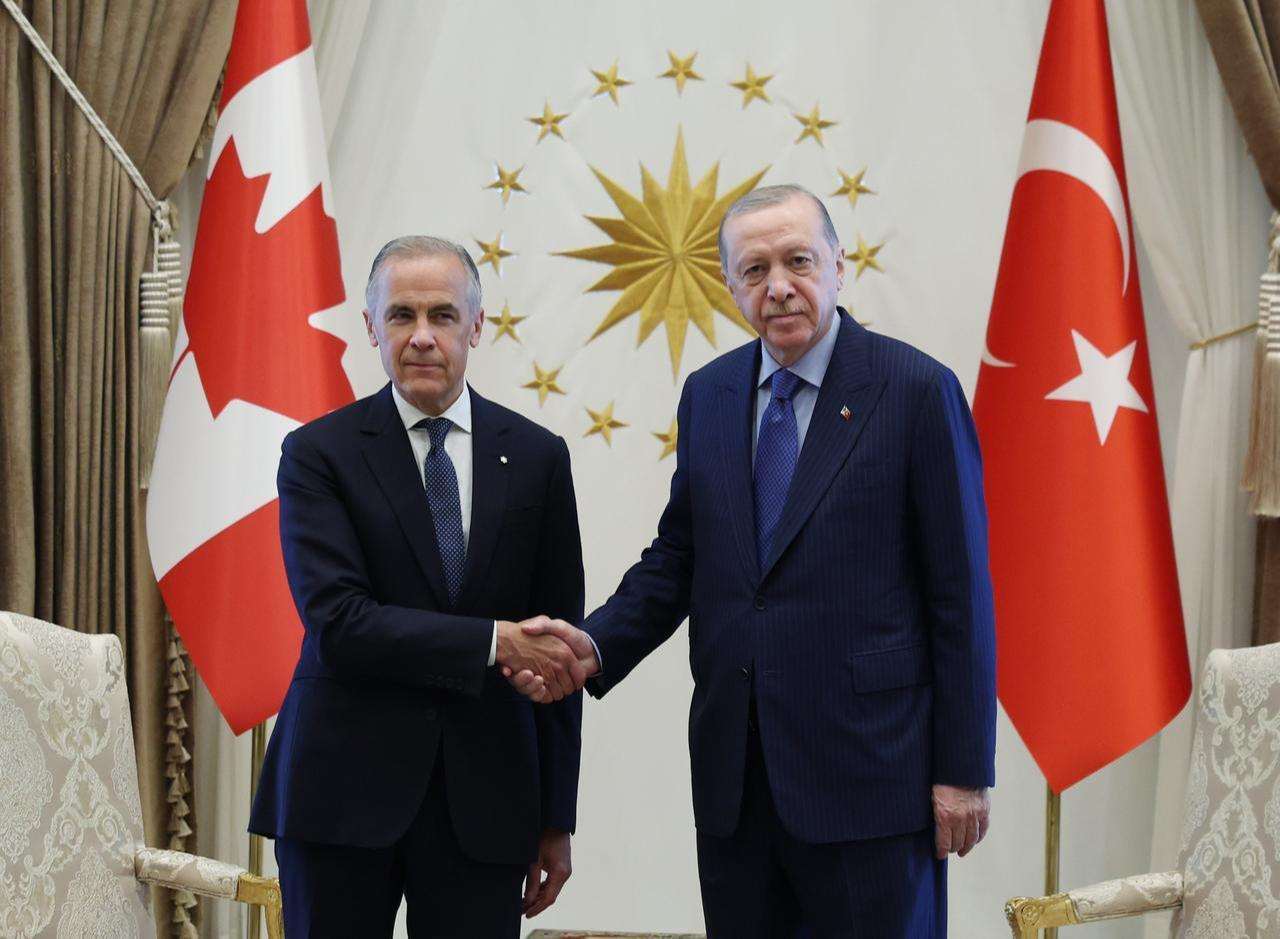
Turkey has officially decided to become a founding member of the Defence, Security and Resilience Bank (DSRB), a new international financial institution designed to support defence investment and military industrial development among allied nations.
According to a Turkish official quoted by Reuters, Ankara has formally notified the Canadian government of its decision to participate, ending weeks of consultations over its role in the initiative.
The move places Turkey among the first countries shaping what could become one of the most significant defence-financing mechanisms established since Russia’s full-scale invasion of Ukraine.
A New Financial Architecture for Allied Defence
The DSRB aims to provide low-cost financing for defence procurement, military infrastructure, industrial production and strategic resilience projects across participating countries.
The institution is expected to raise up to £100 billion (approximately US$134 billion) through international capital markets, creating a dedicated financing platform for defence-related investments at a time when NATO members are significantly increasing military spending.
The bank will be headquartered in Canada, which has taken the lead in promoting the initiative among allied governments.
Founding Members
According to Canadian Prime Minister Mark Carney, the founding participants currently include:
- Canada
- Greece
- Turkey
- Ukraine
- Belgium
- Romania
- Latvia
- Luxembourg
- Albania
The simultaneous participation of Greece and Turkey—despite their longstanding disputes in the Eastern Mediterranean and the Aegean—adds a notable geopolitical dimension to the initiative, highlighting the broader effort to strengthen collective defence financing within the Euro-Atlantic community.

Why Turkey Wants In
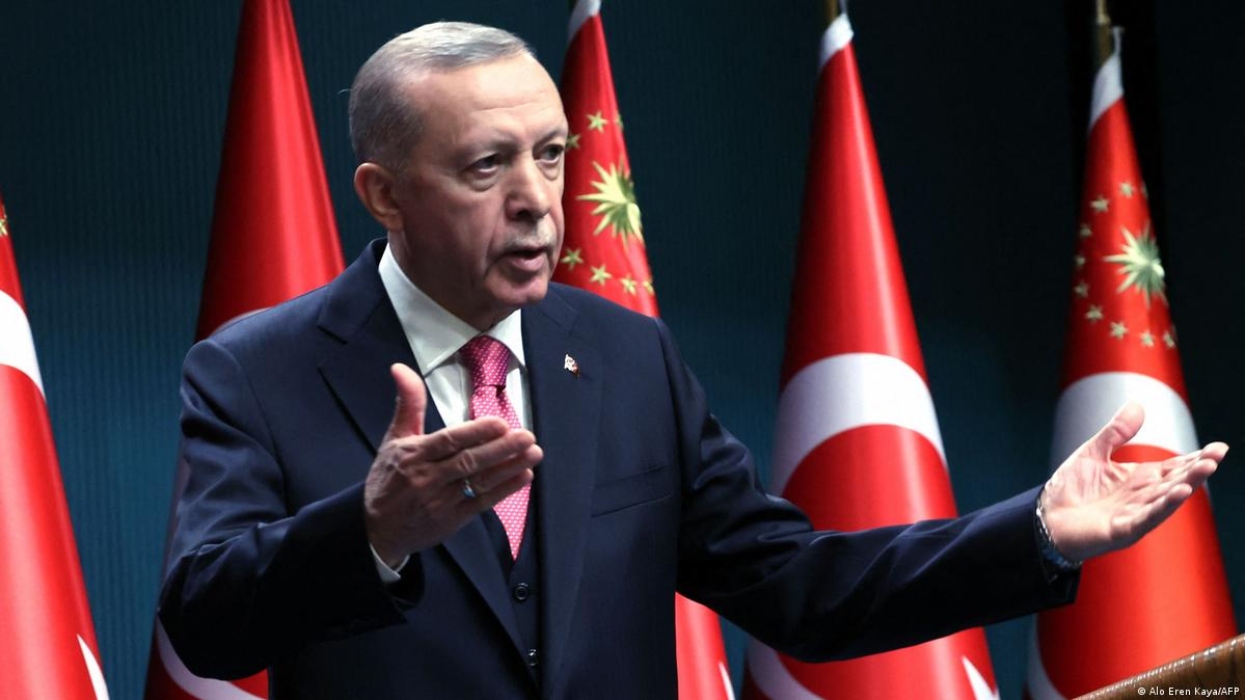
For Ankara, membership in the DSRB aligns with its long-term strategy of expanding its domestic defence industry and increasing its influence within NATO.
Over the past decade, Turkey has invested heavily in the development of indigenous defence technologies, including:
- unmanned aerial vehicles (UAVs);
- armoured vehicles;
- missile systems;
- naval platforms;
- electronic warfare capabilities.
Participation in the new institution could provide Turkish defence companies with improved access to financing for joint projects, industrial partnerships and future procurement programmes.
A Strategic Opportunity for Greece
Greece’s participation is equally significant.
Athens is currently implementing one of the most ambitious military modernisation programmes in its modern history, including investments in fighter aircraft, naval capabilities, missile defence, drones and domestic defence production.
The DSRB could become an additional financing instrument supporting European defence projects alongside existing EU initiatives such as SAFE (Security Action for Europe) and the European Defence Fund (EDF).
Access to affordable long-term financing is expected to become increasingly important as European governments seek to expand defence production while maintaining fiscal discipline.
Challenges Ahead
Despite its ambitious objectives, the DSRB begins operations without the participation of most G7 economies, with Canada currently the only G7 founding member.
The absence—at least initially—of the United States, Germany, France, Italy, Japan and the United Kingdom limits the institution’s immediate financial firepower.
However, Canadian Foreign Minister Anita Anand has confirmed that the bank will remain open to additional members, leaving the door open for future expansion as interest grows among NATO allies and partner countries.
A New Era in Defence Financing
The creation of the DSRB reflects a broader transformation in Western security policy.
Since the outbreak of the war in Ukraine, governments have increasingly recognised that strengthening military capabilities requires not only higher defence budgets but also innovative financial mechanisms capable of supporting long-term industrial investment.
By bringing together countries such as Canada, Greece, Turkey and Ukraine under a common financial framework, the DSRB represents more than a new lending institution. It signals the emergence of a new pillar of Euro-Atlantic security—one where defence capability is shaped not only by military alliances, but also by access to capital, industrial resilience and coordinated investment across allied nations.
Source: pagenews.gr