“Does Trump Cost You Your Self-Respect?” — The NATO Moment That Exposed the Alliance’s New Political Reality
 ΧΡΟΝΟΣ ΑΝΑΓΝΩΣΗΣ 6 '
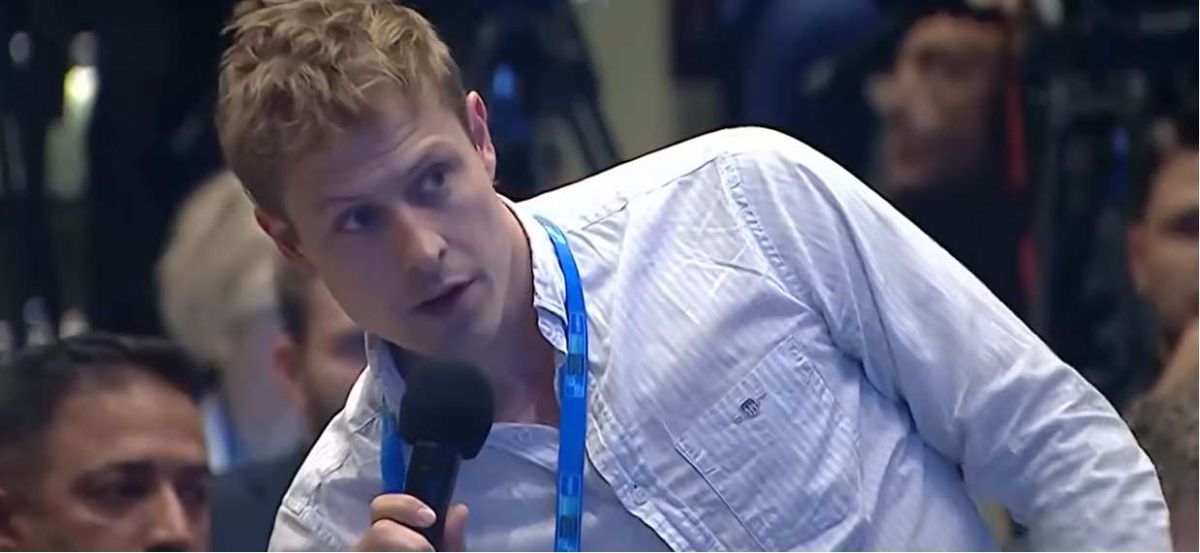
Πηγή Φωτογραφίας: screenshot//"Does Trump Cost You Your Self-Respect?" — The NATO Moment That Exposed the Alliance's New Political Reality



The Question That Changed the Room
It lasted only a few seconds.
Yet it immediately became one of the most discussed exchanges of the NATO Summit in Ankara.
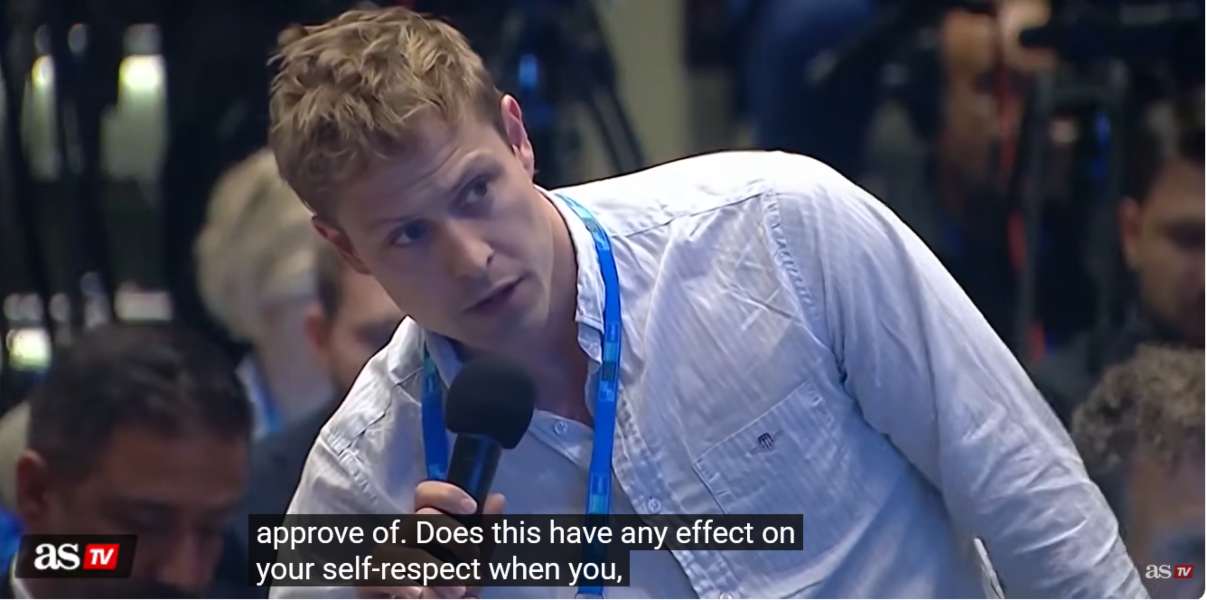
During the Secretary General’s closing press conference, a Danish journalist abandoned the carefully scripted diplomatic language that usually dominates NATO events and asked Mark Rutte what many European officials have privately debated for months.
“You sit next to Donald Trump when he talks about conquering Greenland, attacking allies like Spain and launching trade wars. Does it affect your self-respect that you sit there and say nothing?”
The question stunned the room.
It was no longer about NATO spending, Ukraine or Russia.
It was about whether the Alliance’s highest-ranking civilian official has become politically constrained by the return of Donald Trump.
For a brief moment, the summit shifted from geopolitics to political accountability.
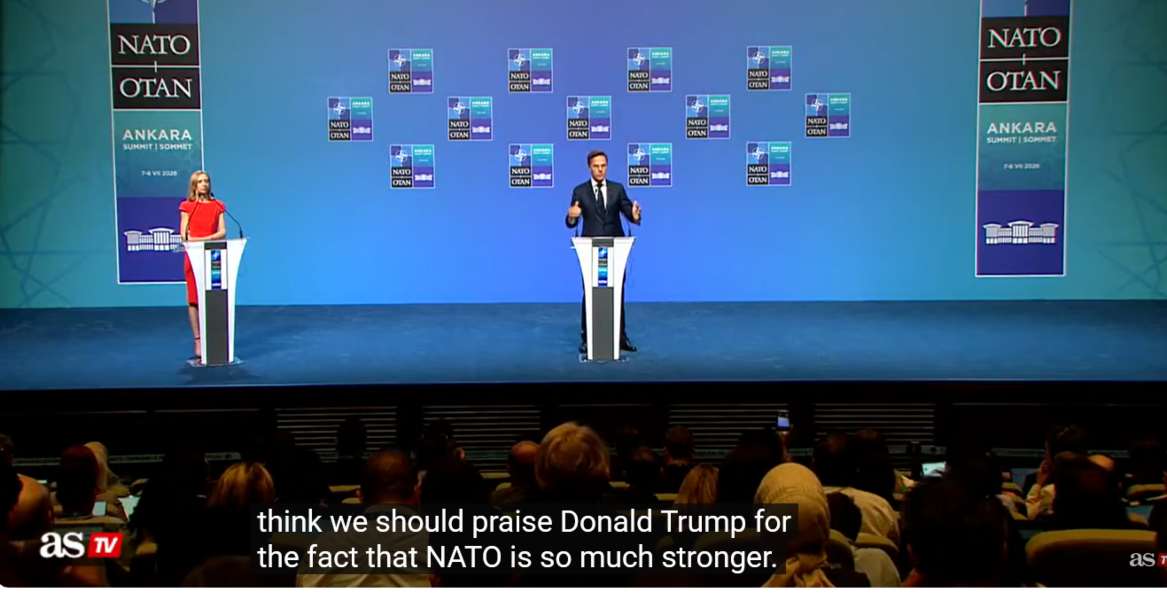
Why the Question Was So Explosive
The journalist was not simply referring to Trump’s remarks during the summit.
He was highlighting a broader transformation inside NATO.
Over recent months, Trump has repeatedly:
- revived his controversial ambition regarding Greenland,
- criticized European allies over defence spending,
- threatened economic retaliation against NATO members,
- questioned traditional assumptions about transatlantic solidarity.
Throughout these moments, Mark Rutte has consistently avoided direct public confrontation.
That strategy has earned praise from some diplomats as pragmatic leadership.
Others increasingly see it as political accommodation.
The Danish reporter gave voice to a debate that has largely remained behind closed doors inside European capitals.
Rutte Refuses the Trap
Rutte immediately declined to engage with the personal dimension of the question.
Instead of addressing whether his “self-respect” had been affected, he reframed the discussion around NATO’s strategic priorities.
“My responsibility is to keep the Alliance together.”
He then surprised many observers by openly praising Trump.
“President Trump deserves credit because Allies are finally increasing defence spending.”
Rather than distancing himself from the American president, Rutte argued that Trump’s pressure had produced tangible strategic results.
It was a carefully calibrated answer designed to avoid an open clash with Washington.
On Greenland, Rutte Walked a Diplomatic Tightrope
The most delicate part of the exchange concerned Greenland.
Trump has repeatedly suggested that the United States should acquire the Danish autonomous territory, arguing that it is vital for Arctic security.
Given that Denmark is a founding NATO member, the issue has become politically explosive inside the Alliance.
Instead of rejecting Trump’s comments outright, Rutte adopted a nuanced position.
“I agree with President Trump that we must prevent Russia and China from expanding their influence in the High North. But we have to do this together as an Alliance.”
The wording was deliberate.
He acknowledged the underlying security concern while refusing to endorse Trump’s proposed solution.
It was classic NATO diplomacy: validate the strategic diagnosis while rejecting unilateral action.
The Return of Transactional NATO
The exchange highlighted a deeper shift taking place within the Alliance.
For decades, NATO’s political culture rested on consensus, institutional discipline and carefully managed disagreements.
Trump operates differently.
His approach is openly transactional.
He measures alliances by burden-sharing, economic leverage and direct political returns.
Rutte appears to have adapted accordingly.
Rather than publicly challenging Washington, he has prioritized maintaining American engagement inside NATO—even if that requires absorbing criticism from European audiences.
For many officials, this reflects strategic realism.
Without U.S. leadership, NATO’s deterrence posture against Russia would be severely weakened.
Keeping Trump politically invested may therefore outweigh the costs of public disagreement.
Unity Before Principles?
The confrontation exposed one of NATO’s biggest dilemmas.
Should the Secretary General publicly challenge statements that unsettle allies?
Or should he prioritize preserving cohesion at a time of growing geopolitical instability?
Supporters of Rutte argue that public disputes with the U.S. president would only weaken the Alliance and embolden adversaries such as Russia and China.
Critics counter that silence carries its own risks.
If NATO’s leadership avoids responding whenever a major ally questions international norms or publicly pressures fellow members, the Alliance risks appearing politically reactive rather than strategically confident.
The exchange therefore became symbolic of a broader institutional challenge:
Can NATO preserve unity without sacrificing political credibility?
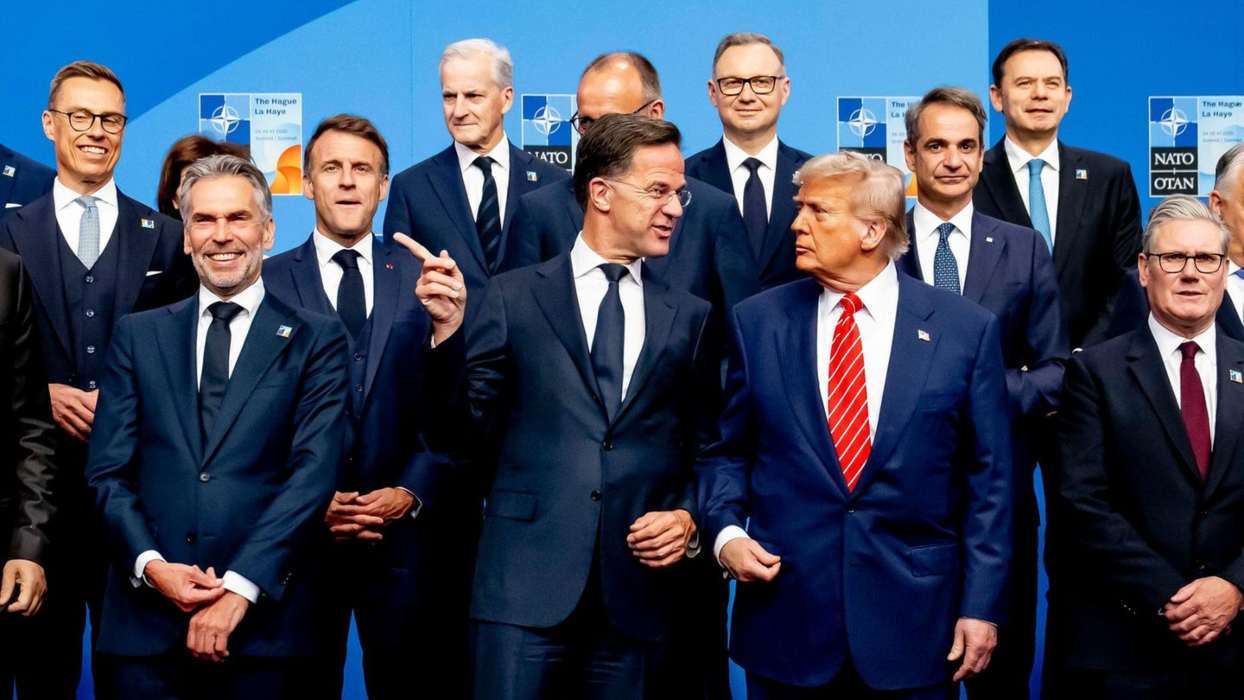
Europe’s New Reality Under Trump
Perhaps the most revealing aspect of the exchange was not Rutte’s answer—but the fact that the question was asked at all.
Only a few years ago, such a confrontation between a European journalist and a NATO Secretary General would have been almost unimaginable.
Today, it reflects a growing unease across European capitals about how to manage a second Trump presidency.
The issue is no longer simply Trump’s rhetoric.
It is Europe’s response to it.
Should leaders confront him publicly?
Should they quietly accommodate him?
Or should they accept that maintaining American commitment to European security now requires a fundamentally different style of diplomacy?
Those questions increasingly define NATO’s internal politics as much as Russia’s military threat.
From a Western political intelligence perspective, the exchange between the Danish journalist and Mark Rutte was far more significant than an uncomfortable press conference moment.
It revealed the emergence of a new NATO operating model.
The Alliance’s leadership is increasingly willing to absorb political discomfort in exchange for preserving U.S. strategic commitment.
Rutte’s response demonstrated that his primary objective is no longer to referee political disagreements among allies.
His priority is to ensure that the United States—regardless of who occupies the White House—remains fully engaged in NATO’s collective defence.
Whether that strategy ultimately strengthens or weakens the Alliance remains an open question.
But one conclusion is already difficult to ignore:
The most revealing battle at this NATO summit was not fought over Ukraine, defence spending or Russia. It was fought over the price Europe is willing to pay to keep America inside the Alliance.
Source: pagenews.gr
Διαβάστε όλες τις τελευταίες Ειδήσεις από την Ελλάδα και τον Κόσμο