NATO and Turkey: Geopolitics Takes Priority Over Human Rights
 ΧΡΟΝΟΣ ΑΝΑΓΝΩΣΗΣ 5 '
Πηγή Φωτογραφίας: AP Photo//NATO and Turkey: Geopolitics Takes Priority Over Human Rights



NATO and Turkey: Geopolitics Takes Priority Over Human Rights
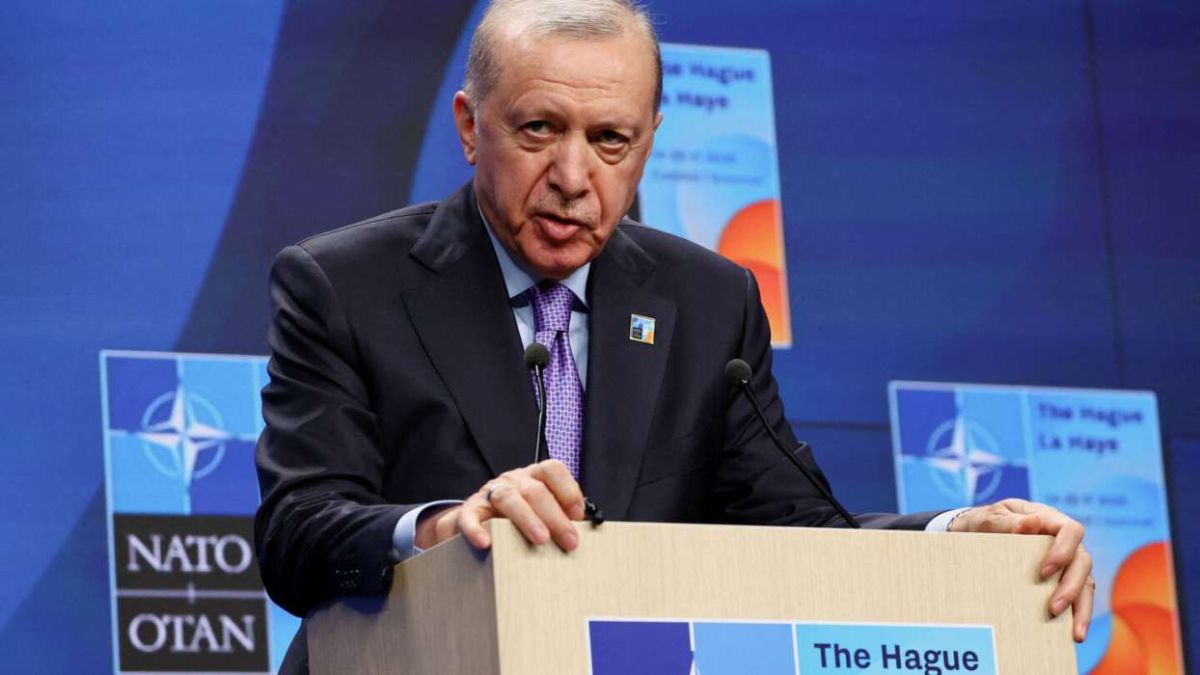
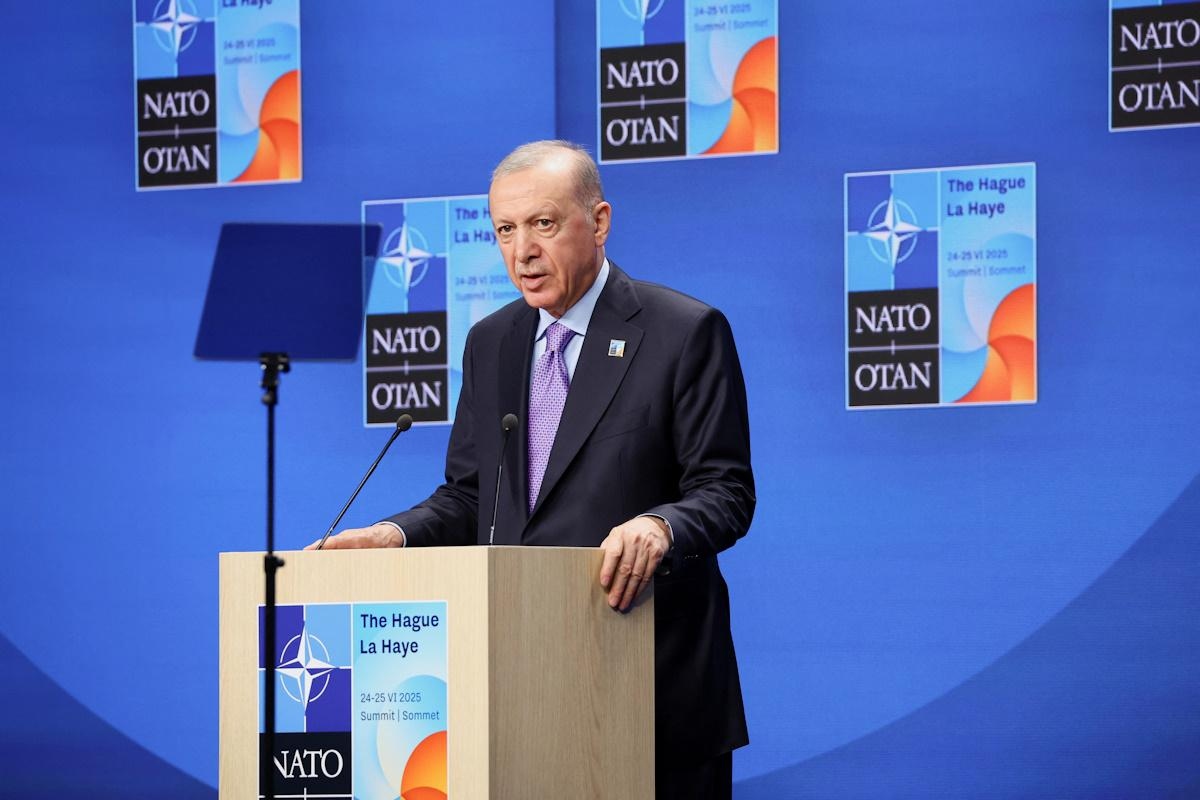
Turkey enters the NATO Summit on July 7–8 in Ankara with its geopolitical importance at its highest point in years. At the same time, public criticism from Western allies over democratic backsliding, press freedom and the rule of law has noticeably diminished, highlighting a significant shift in the alliance’s approach toward President Recep Tayyip Erdoğan’s government.
The change largely reflects the new strategic landscape created by Russia’s invasion of Ukraine, which has elevated Turkey’s role as a cornerstone of NATO’s southeastern flank.
From the Ambassadors’ Crisis to Strategic Silence
In 2021, ten Western ambassadors—including representatives from the United States, Germany, France and Canada—jointly called for the release of businessman and philanthropist Osman Kavala, whom they regarded as a political prisoner.
The move triggered one of the deepest diplomatic crises between Ankara and its Western partners, prompting Erdoğan to order the ambassadors’ expulsion before both sides ultimately stepped back from confrontation.
Since then, according to diplomats cited by Reuters, Western governments have become increasingly reluctant to publicly criticize Turkey’s human rights record.
Ukraine Changed NATO’s Priorities
Russia’s full-scale invasion of Ukraine fundamentally reshaped NATO’s strategic agenda.
Turkey now offers the alliance:
- NATO’s second-largest military;
- a rapidly expanding defense industry;
- a strategic position connecting Europe, the Black Sea and the Middle East;
- one of the world’s leading armed drone industries;
- a critical role in Black Sea security and regional deterrence.
For many Western capitals, these strategic assets now outweigh long-standing concerns about democratic governance.
Turkey’s Opposition Under Growing Pressure
The change in Western rhetoric coincides with the most severe pressure on Turkey’s political opposition in years.
Istanbul Mayor Ekrem İmamoğlu, widely regarded as Erdoğan’s strongest political challenger, remains imprisoned, while hundreds of members and elected officials from the opposition Republican People’s Party (CHP) have faced arrests, investigations or judicial proceedings.
Ahead of the NATO summit, media organizations have also raised concerns after dozens of independent Turkish journalists were reportedly denied accreditation to cover the event, prompting criticism from press freedom organizations.
From Democratic Values to Realpolitik
Turkey illustrates a broader transformation in Western foreign policy.
Where democracy, human rights and the rule of law once occupied a central place in NATO and EU engagement, today’s geopolitical environment has shifted the focus toward deterrence, military readiness and defense cooperation.
Former U.S. Ambassador to Turkey David Satterfield argues that Western governments should continue speaking openly about democratic erosion because “Turkey is not beyond the point of no return.”
At the same time, he acknowledges that Western capitals increasingly prioritize managing their strategic relationship with Ankara over public confrontation.
Trump and Erdoğan Enter a New Phase
The NATO summit is expected to mark U.S. President Donald Trump’s first visit to Turkey since returning to the White House.
Trump has repeatedly described Erdoğan as “a friend,” underscoring what could become the warmest period in U.S.-Turkey relations in years.
NATO Secretary General Mark Rutte has already indicated that defense agreements worth tens of billions of dollars are expected to be announced during the summit, further strengthening military-industrial cooperation among allies.
Europe’s Strategic Dependence on Turkey
For both NATO and the European Union, Turkey has become an indispensable strategic partner in several critical areas:
- containing Russian influence in the Black Sea;
- safeguarding the Eastern Mediterranean;
- managing migration flows toward Europe;
- securing Southern Energy Corridor infrastructure;
- strengthening Europe’s defense industrial base.
These priorities have significantly reduced political appetite among Western governments for public disputes with Ankara.
Turkey’s Leverage Has Never Been Greater
Turkey’s growing influence reflects a wider trend in international politics: during periods of heightened geopolitical competition, strategic interests often take precedence over value-based diplomacy.
By controlling access to key maritime corridors, expanding its defense exports, and positioning itself as a bridge between Europe, the Middle East and the Caucasus, Ankara has considerably strengthened its negotiating position within NATO.
For many allies, Turkey is no longer simply another member of the alliance—it has become a strategic necessity.
NATO’s Strategic Dilemma
The Ankara summit is expected to highlight one of NATO’s most difficult strategic questions: Can the alliance continue to present itself as a community built on democratic values while increasingly relying on partners whose domestic political trajectory raises serious concerns?
As Europe confronts its most challenging security environment in decades, NATO appears increasingly willing to prioritize military cohesion over public pressure on democratic governance.
Whether this balance proves sustainable may shape not only future relations with Turkey but also NATO’s broader credibility as both a military and political alliance.
Διαβάστε όλες τις τελευταίες Ειδήσεις από την Ελλάδα και τον Κόσμο