Athens Pushes Back on Ankara: Greece–Cyprus Cable Accelerates as Turkey Opens New Front
 ΧΡΟΝΟΣ ΑΝΑΓΝΩΣΗΣ 6 '



Athens is stepping up its response to renewed tensions with Ankara on two parallel fronts: accelerating the Greece–Cyprus electricity interconnector and preparing a broader diplomatic campaign against Turkey’s newly declared marine parks in the Aegean and Eastern Mediterranean.
The two issues are increasingly intertwined. Energy infrastructure, maritime jurisdiction, European strategic interests and Greek-Turkish relations are converging at a moment when Athens wants to demonstrate that projects it considers lawful and strategically important cannot remain indefinitely frozen by geopolitical pressure.
The Great Sea Interconnector moves back to the centre
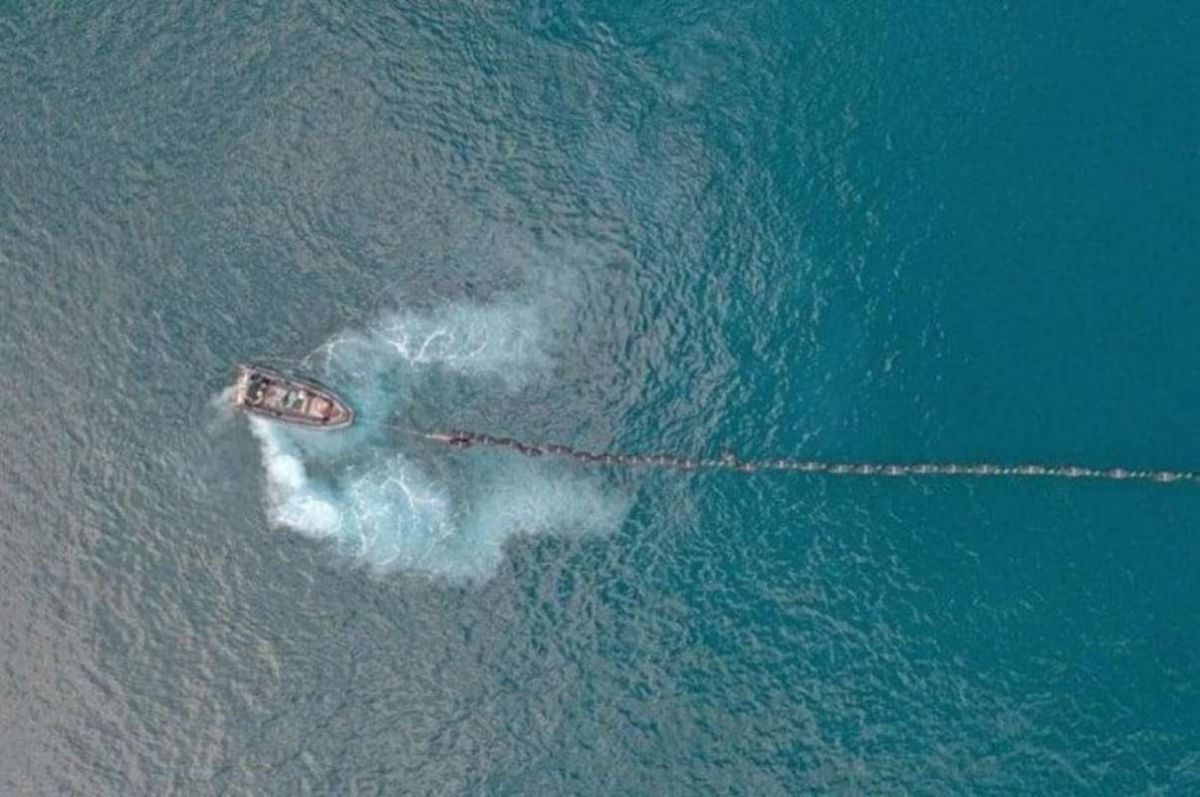
The immediate priority is the restart of seabed surveys for the Great Sea Interconnector, the ambitious electricity link designed to connect Greece and Cyprus and ultimately strengthen the Eastern Mediterranean’s energy architecture.
Momentum increased significantly following the August 5 agreement that brought French infrastructure investor Meridiam into the project as majority shareholder of the GSI company.
At the same time, Greece’s Independent Power Transmission Operator (IPTO), GSI and French cable manufacturer Nexans reached an agreement covering the next phase of seabed survey work.
The significance extends well beyond the commercial arrangements.
The GSI is a European Project of Common Interest and is intended to end Cyprus’ energy isolation by connecting the island with the continental European electricity system. The project therefore carries economic, energy-security and increasingly geopolitical weight.
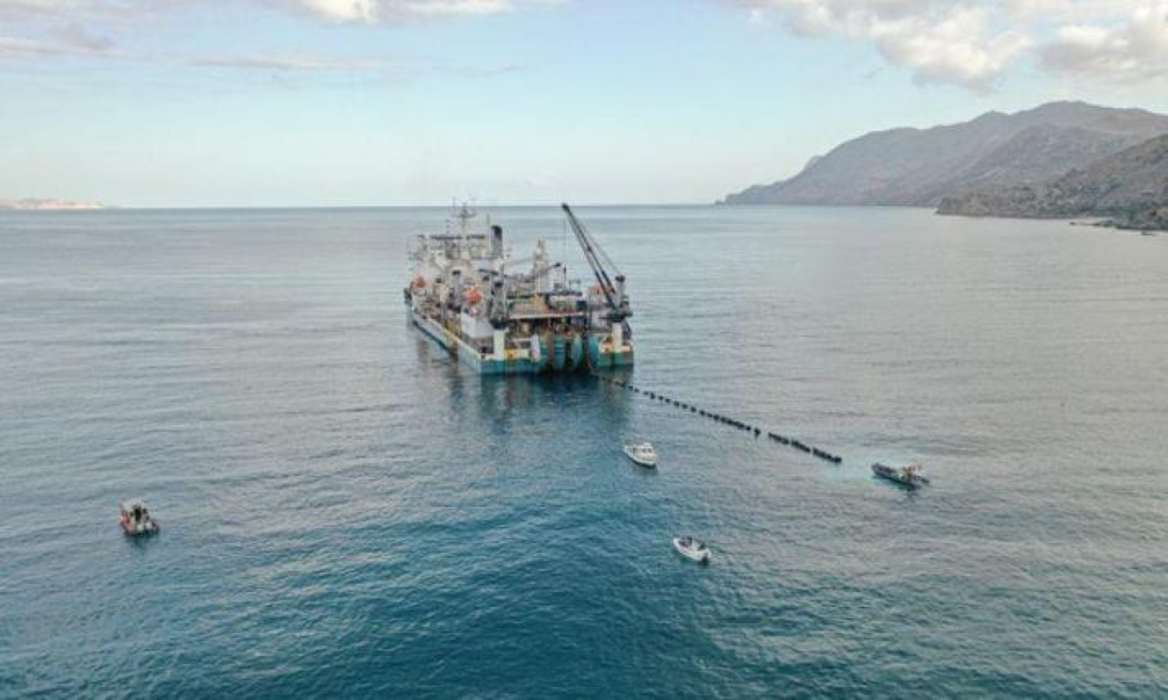
The next major step will be the return of specialised survey vessels to the sea to determine the optimal route for the submarine cable.
That is also where the political risk begins.
Previous survey activity south of Kasos became a source of tension with Turkey, turning what would normally be a technical infrastructure operation into a test of competing maritime claims in the Eastern Mediterranean.
France’s involvement changes the equation
Meridiam’s arrival adds another dimension.
The project now has a stronger French commercial footprint, while Nexans is already central to its implementation. Combined with the GSI’s status as a major EU-backed energy project, this means that any future confrontation surrounding its construction would no longer be viewed solely through the prism of Greece and Cyprus.
French and broader European interests are becoming more deeply embedded in the project.
That does not eliminate the possibility of renewed friction with Ankara. It does, however, potentially raise the diplomatic and economic cost of obstructing the project.
Athens’ position remains that the interconnector will proceed in accordance with international law.
Turkey’s marine parks ignite another dispute
At the same time, Greece is confronting Ankara over a separate maritime issue.
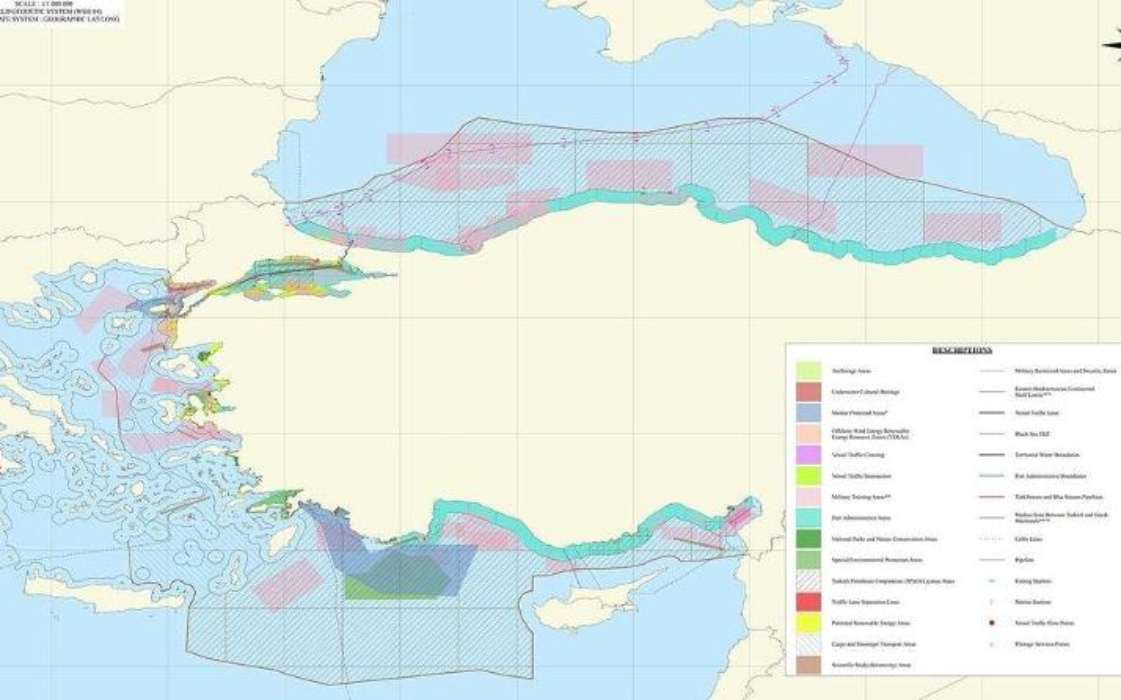
Turkey’s declaration of two national marine parks in the northeastern Aegean and Eastern Mediterranean has triggered a strong response from the Greek Foreign Ministry.
Athens argues that Ankara cannot unilaterally establish protected marine areas outside Turkish jurisdiction in a manner that affects international waters or areas where Greece claims sovereign rights over the continental shelf.
The Greek government therefore sees the dispute as being about much more than environmental protection.
It views Turkey’s initiative as another attempt to project Ankara’s longstanding maritime positions into contested areas of the Aegean and Eastern Mediterranean.
The Foreign Ministry has insisted that the Turkish measures cannot create legal faits accomplis or alter rights deriving from international law.
Athens prepares to take the dispute abroad
Greece is now expected to place greater emphasis on international diplomacy.
The government wants to distinguish between what it describes as Greece’s legally established marine parks and Turkey’s latest initiative, arguing that Athens acted within Greek territorial waters while Ankara is seeking to extend its actions beyond areas under Turkish jurisdiction.
The objective is clear: prevent the Turkish declarations from gradually acquiring political weight simply through their existence on official maps and documents.
This turns the battle into one of diplomacy, international law and geopolitical messaging as much as control at sea.
Opposition attacks the ‘calm waters’ strategy
The developments are also reopening the domestic debate over Prime Minister Kyriakos Mitsotakis’ approach to Turkey.
PASOK is pressing the government to raise Turkish actions more forcefully at European level, arguing that Ankara’s latest moves expose the limits of the so-called “calm waters” policy.
SYRIZA has similarly questioned whether the government has developed a sufficiently coherent strategy to protect Greek sovereign rights, while other opposition parties are demanding a tougher response.
The government, however, maintains that keeping diplomatic channels open does not mean accepting unilateral Turkish actions.
The real test will come at sea
For Athens, the decisive moment may not come through another diplomatic statement but when survey vessels return to work on the Great Sea Interconnector.
The financial structure is changing. French participation has strengthened. European interests are more visible. Greece and Cyprus are signalling their determination to move the project forward.
But the central geopolitical question remains unresolved: what happens when the cable again reaches waters where Ankara challenges Athens’ interpretation of maritime rights?
The answer could determine far more than the future of one electricity interconnector.
It will test whether Greece can translate diplomatic alliances, European backing and international-law arguments into action on the ground — or, more precisely, at sea.
Source: pagenews.gr
Διαβάστε όλες τις τελευταίες Ειδήσεις από την Ελλάδα και τον Κόσμο