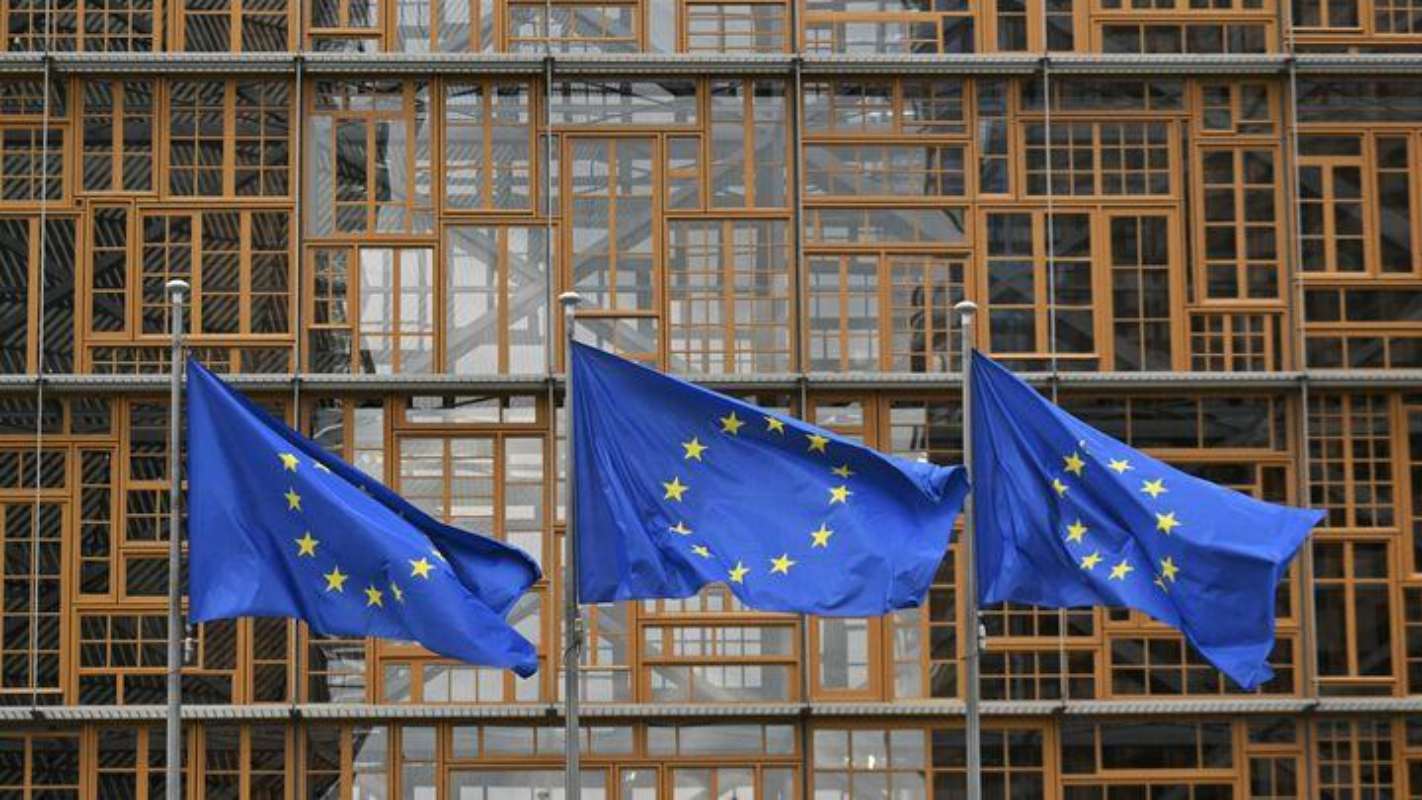
The European Union is reviving a long-stalled agreement to deepen relations with Syria, opening another route toward closer political and economic cooperation with Damascus.
Meeting in Brussels on Monday, EU foreign ministers agreed to continue work toward signing the 2008 EU–Syria Association Agreement, while modernising its provisions to reflect the country’s changed circumstances.
The decision marks another step toward normalising relations as Syria seeks international support for its economic recovery and reconstruction.
Kallas: Trade, Political Dialogue and Closer Cooperation
EU foreign policy chief Kaja Kallas said the bloc wanted to advance the agreement as soon as possible, providing “a framework for trade, political dialogue, and closer cooperation.”
“Syria needs investment and a successful transition,” she said.
The approach involves two parallel tracks: moving toward signing the existing agreement while negotiating an updated framework.
The political decision advances the process, but the agreement has not yet been signed. Further work is needed to complete that process and define the modernised partnership.
Closer Relations Come With Conditions
EU ministers acknowledged progress since the fall of Bashar al-Assad’s regime but stressed that significant challenges remain in Syria’s political transition and economic recovery.
According to the Council’s conclusions, a stronger partnership must be accompanied by tangible progress and clear commitments from the Syrian authorities on an inclusive transition, human rights and the rule of law.
European priorities also include preserving Syria’s territorial integrity and sovereignty, strengthening state institutions and supporting security-sector reform.
Brussels intends to use the prospect of closer relations to encourage the transitional authorities to deliver the necessary reforms.
From Sanctions Relief to Economic Cooperation
Reviving the association agreement builds on an already expanding European engagement.
The Council’s briefing notes that the EU has lifted most economic sanctions, resumed political and diplomatic dialogue, and committed a €620 million support package for 2026–2027.
The first high-level political dialogue took place in May 2026. An association agreement could provide a more stable framework for further diplomatic engagement and economic cooperation.
For Damascus, the immediate challenge is to turn renewed international access into investment and recovery. For Brussels, the test is whether deeper engagement can help produce lasting institutional and political progress.


Reconstruction and Refugee Returns
EU ministers also linked economic recovery and reconstruction to creating conditions for the voluntary, safe and sustainable return of Syrian refugees.
Ahead of the meeting, Human Rights Watch urged European governments to tie steps toward an association agreement to concrete and durable improvements in human rights.
The next stage will test whether diplomatic rapprochement can translate into practical support and reforms inside Syria. Damascus has gained a significant opening toward Europe; the partnership’s development will also depend on the transitional authorities fulfilling their commitments.
Source: pagenews.gr