Syrigos: “We will seek an EU exemption” – Energy crisis moves into escape-clause debate
 ΧΡΟΝΟΣ ΑΝΑΓΝΩΣΗΣ 5 '
Πηγή Φωτογραφίας: eurokinissi//Syrigos: “We will seek an EU exemption” – Energy crisis moves into escape-clause debate



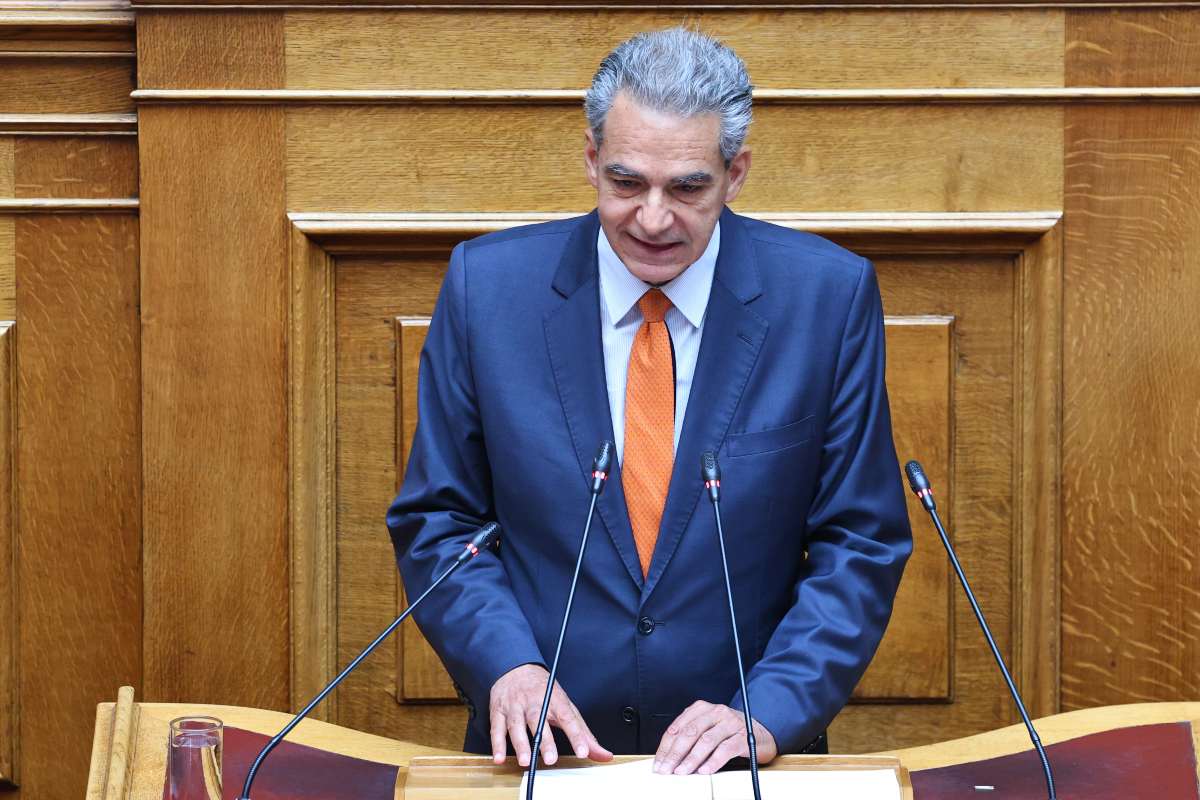
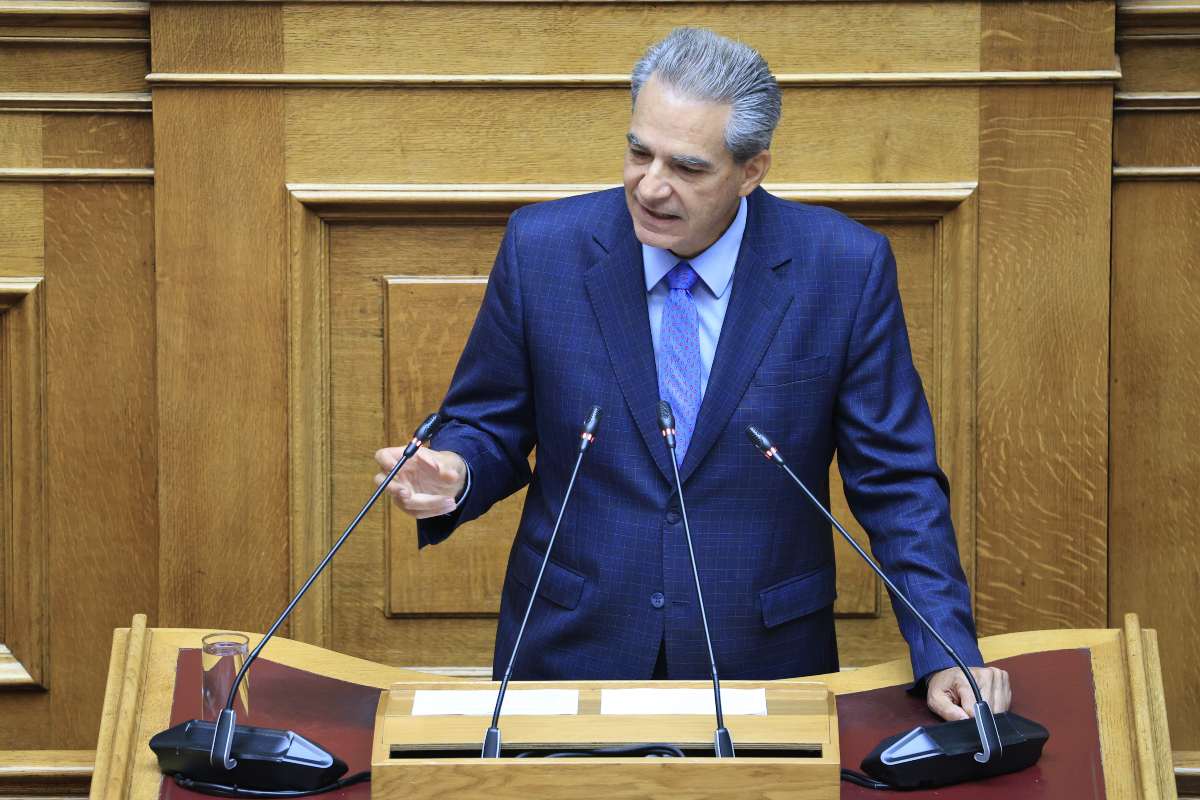
Greece will seek greater European fiscal flexibility to deal with the impact of the energy crisis, according to Angelos Syrigos, an MP with the governing New Democracy party.
Speaking during a television discussion on soaring fuel prices and the scope for new government measures, Syrigos directly linked the energy shock to Europe’s evolving fiscal framework.
His message was clear:
“We will ask the European Union, just as defense spending has been exempted, for expenditures to provide support to be exempted for a few months as well, and then see what we can do.”
From defense to energy
The intervention is significant because Europe’s fiscal framework is already being adapted to a new geopolitical environment.
After fiscal flexibility was introduced for increased defense spending, energy security has now entered the European debate over how much room governments should have to respond to major external shocks.
For Athens, the question is how much fiscal space it can use to cushion the impact of the energy shock without undermining the country’s fiscal trajectory.
Syrigos: Diesel and heating oil are the critical front
Syrigos placed particular emphasis on oil products rather than gasoline alone, arguing that their impact spreads throughout the economy.
“The most critical issue for transport and heating right now is oil.”
The reason, he argued, is straightforward.
Farmers rely heavily on diesel for agricultural production, freight transport remains dependent on diesel-powered vehicles, while the approach of winter brings heating costs back to the forefront.
In other words, a new increase in diesel prices does not stop at the pump.
It moves through the farm, the truck, the supply chain and ultimately reaches the consumer.
Why prices at the pump can rise faster than crude
Syrigos also highlighted another component of the current energy shock.
He argued that the problem is not limited to the increase in international crude prices but also reflects pressure on refining capacity.
“It is not only the surge in oil prices. It is also the fact that many refineries have shut down, which increases costs.”
That, he argued, helps explain why retail fuel prices can remain particularly elevated even when crude itself has not returned to previous peaks.
October 14 enters the government’s calendar
Syrigos also pointed to the period in which further decisions could emerge.
He specifically referred to October 14, one day before the start of heating-oil distribution, as an important point for considering measures that could ease the burden on households.
“Over the coming period, with October 14 in particular as a starting point, because heating oil distribution begins on October 15, we will see how citizens’ daily burden can be eased.”
He stressed, however, that he is not a member of the government’s economic team and therefore does not know precisely which measures will ultimately be adopted.
The bigger European battle
Behind the discussion over cheaper fuel lies a much larger question:
Who will bear the cost of Europe’s new energy insecurity?
Europe’s fiscal architecture is designed to control the growth of net public expenditure.
But the return of major geopolitical and energy shocks has created new demands on national budgets — from defense and energy security to support for households and businesses.
Greece has already made use of European fiscal flexibility for higher defense expenditure.
Now, according to Syrigos, Athens wants to explore the available room for energy-related measures as well.
Greece has already used the defense “buffer”
The debate does not begin from scratch.
Greece has already activated the national escape clause for increased defense expenditure, allowing a deviation from the agreed net expenditure path under specific conditions.
That mechanism now provides the broader context for the European debate over energy security.
This does not mean that every subsidy for gasoline, diesel or heating oil can automatically be excluded from European fiscal constraints.
It does mean, however, that an EU mechanism now exists that can provide limited and temporary fiscal flexibility for eligible energy-security measures.
Athens’ difficult equation
At the same time, Syrigos emphasized the importance of Greece
Source: pagenews.gr
Διαβάστε όλες τις τελευταίες Ειδήσεις από την Ελλάδα και τον Κόσμο