“Israel Labels Turkey a ‘Hostile State’: A New Regional Fault Line Emerges After Iran”
 ΧΡΟΝΟΣ ΑΝΑΓΝΩΣΗΣ 5 '
Πηγή Φωτογραφίας: screenshot//“Israel Labels Turkey a ‘Hostile State’: A New Regional Fault Line Emerges After Iran”



The Middle East is entering a new and highly volatile phase.
For the first time in decades, senior Israeli officials are openly referring to Turkey as a “hostile state”, marking a dramatic escalation in rhetoric between two major regional powers.
The deterioration follows the interception of a humanitarian flotilla bound for Gaza, growing hostility over the war in Gaza, and increasingly aggressive political exchanges between Ankara and Tel Aviv.
Flotilla interception triggers diplomatic explosion
The latest crisis erupted after Israeli special forces intercepted the Global Sumud flotilla in international waters near Cyprus.
Turkey condemned the operation, accusing Israel of:
- violating international law,
- blocking humanitarian aid to Gaza,
- and engaging in intimidation tactics against civilians.
Israel, however, framed the flotilla as a security threat and responded with unusually sharp political messaging.
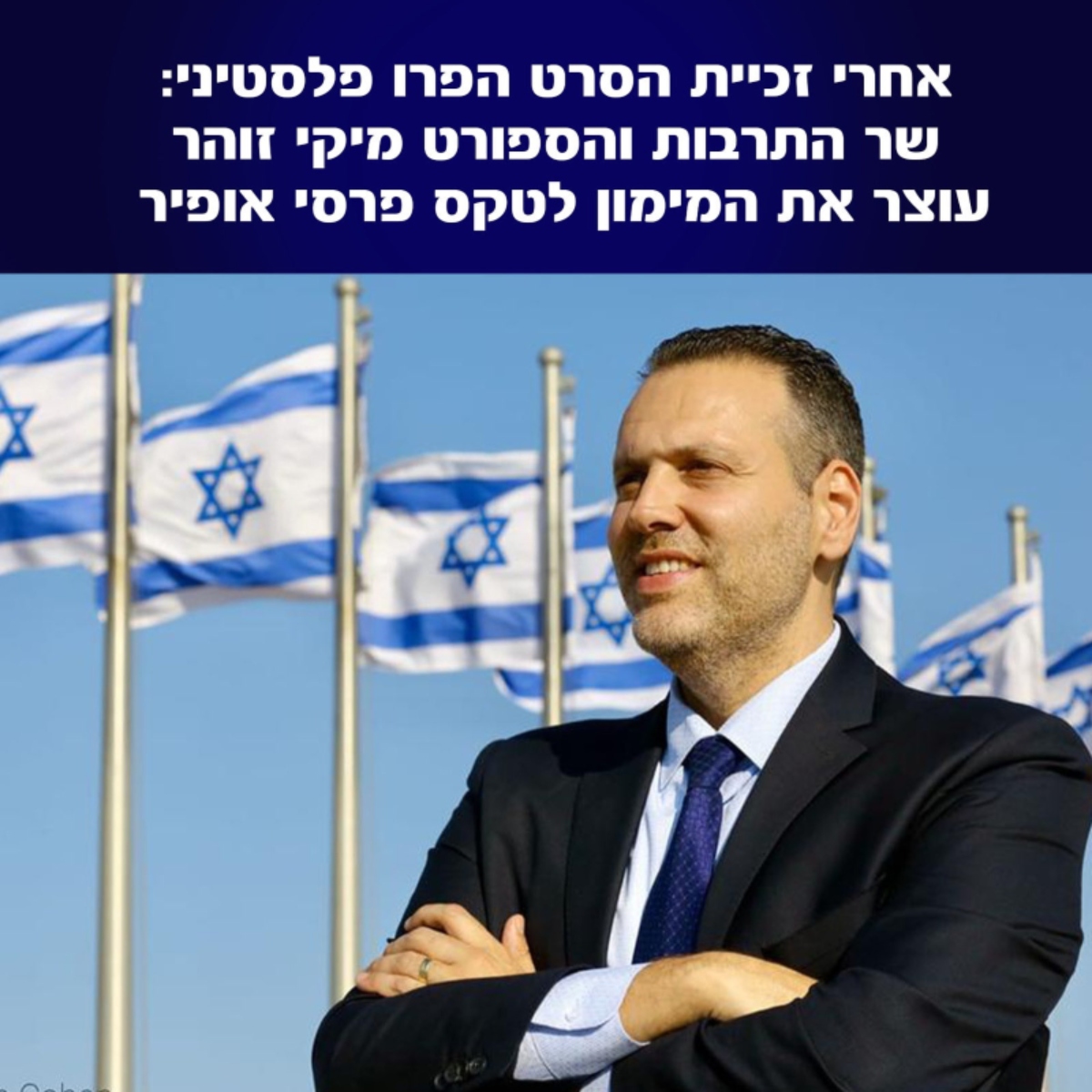
Israeli Minister of Culture Miki Zohar declared:“We must begin treating Turkey as a hostile state.”
He further warned:“If Turkey chooses the path of war against us, it will pay a very heavy price.”
The remarks sparked immediate diplomatic shockwaves across the region.
Israel’s strategic shift: Turkey as the “next adversary”
Israeli rhetoric increasingly reflects a broader reassessment of regional threats.
With Iran:
- weakened by prolonged conflict,
- under economic pressure,
- and strategically constrained,
some analysts argue that Israeli strategic thinking is shifting toward identifying a new long-term rival.
Increasingly, that role is being attributed to Turkey.
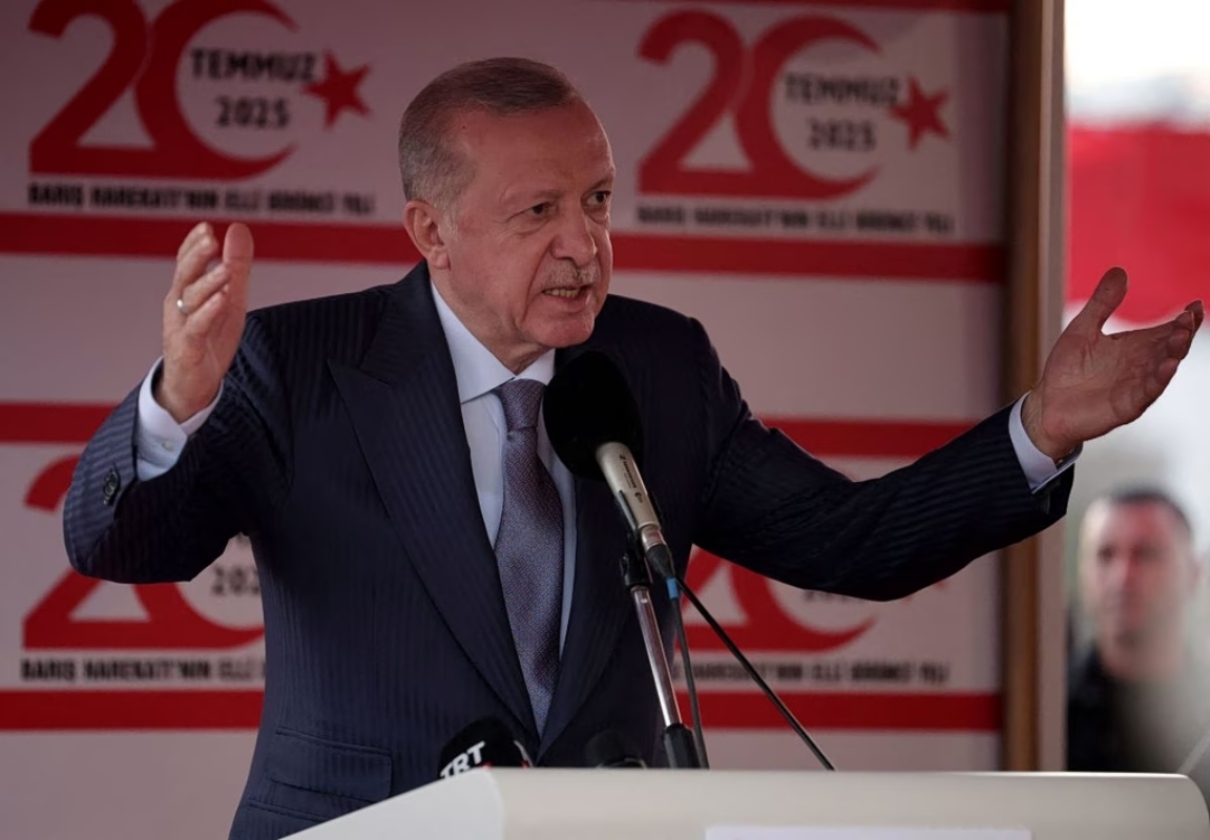
Israeli officials and commentators argue that Ankara’s posture under President Recep Tayyip Erdoğan has become:
- more ideologically confrontational,
- more militarily assertive in regional disputes,
- and increasingly aligned with Hamas politically.
Turkey’s response: framing Israel as a regional aggressor
Turkish Foreign Minister Hakan Fidan has accused Israel of actively seeking a new enemy after Iran, stating:“After Iran, Israel cannot live without an enemy.”
Ankara has portrayed Israeli policy as:
- expansionist,
- destabilizing,
- and increasingly hostile toward Muslim-majority states.
President Erdoğan has gone further, accusing Israel of committing atrocities in Gaza and openly supporting Hamas as a resistance movement.
This rhetoric has intensified mistrust on both sides, turning political disputes into strategic confrontation narratives.
From Gaza to Eastern Mediterranean: a widening battlefield
The confrontation is no longer limited to Gaza.
The flotilla incident near Cyprus highlights the growing importance of:
- Eastern Mediterranean sea routes,
- maritime jurisdiction disputes,
- and regional energy corridors.
Israel is strengthening cooperation with Greece and Cyprus, while Turkey is expanding its influence through:
- naval presence,
- regional diplomacy,
- and strategic positioning in contested waters.
The result is a rapidly polarizing regional security architecture.
War of words escalating into strategic hostility
The language used by both sides now reflects deep geopolitical rupture:
- Israeli officials refer to Turkey as a “hostile state”
- Turkish officials compare Israeli leadership to authoritarian regimes
- Leaders on both sides accuse each other of war crimes and regional destabilization
This escalation goes beyond traditional diplomatic tension and signals a potential long-term strategic realignment.
The United States watches closely
Washington is closely monitoring the situation, as both countries are key U.S. partners:
- Israel as a core regional ally,
- Turkey as a NATO member controlling critical access to the Black Sea and Eastern Mediterranean.
A breakdown in Israel–Turkey relations would:
- complicate NATO cohesion,
- destabilize Eastern Mediterranean security,
- and further fragment U.S. influence in the Middle East.
A new regional axis of confrontation
The emerging geopolitical map suggests a shift from a Iran-centered confrontation toward a broader regional realignment:
- Iran: weakened but still influential
- Turkey: increasingly assertive regional power
- Israel: hardening security doctrine and expanding alliances
This triangle is creating a more fragmented and unpredictable Middle East.
A dangerous strategic turning point
The Israel–Turkey relationship is no longer defined by diplomatic friction alone.
It is evolving into a structural geopolitical confrontation shaped by:
- Gaza,
- maritime disputes in the Eastern Mediterranean,
- competing regional leadership ambitions,
- and collapsing trust mechanisms.
Whether this remains rhetorical escalation or develops into sustained strategic conflict will be one of the most consequential questions shaping Middle East stability in the coming years.
Source: pagenews.gr
Διαβάστε όλες τις τελευταίες Ειδήσεις από την Ελλάδα και τον Κόσμο