Clash Over Rule of Law in Greece: Scandals, Surveillance and Institutional Trust at the Center
 ΧΡΟΝΟΣ ΑΝΑΓΝΩΣΗΣ 5 '
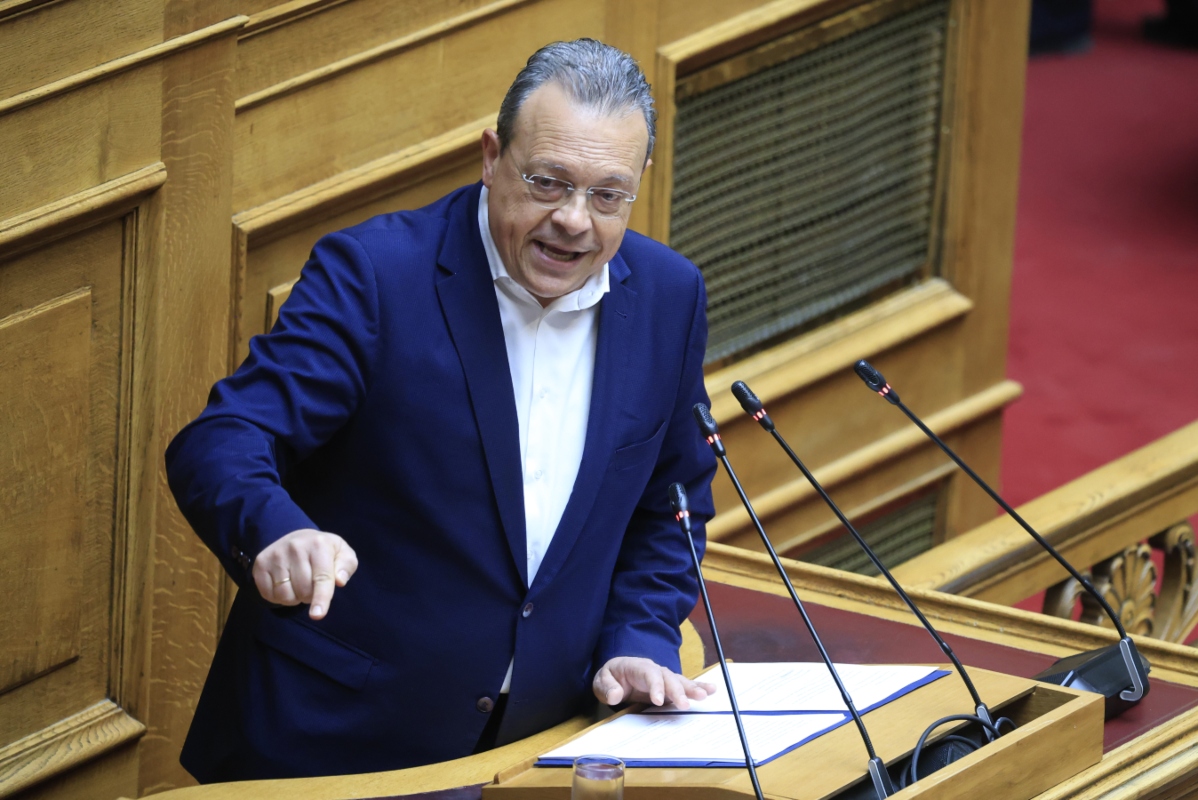
Πηγή Φωτογραφίας: (ΓΙΩΡΓΟΣ ΚΟΝΤΑΡΙΝΗΣ/EUROKINISSI)//Clash Over Rule of Law in Greece: Scandals, Surveillance and Institutional Trust at the Center



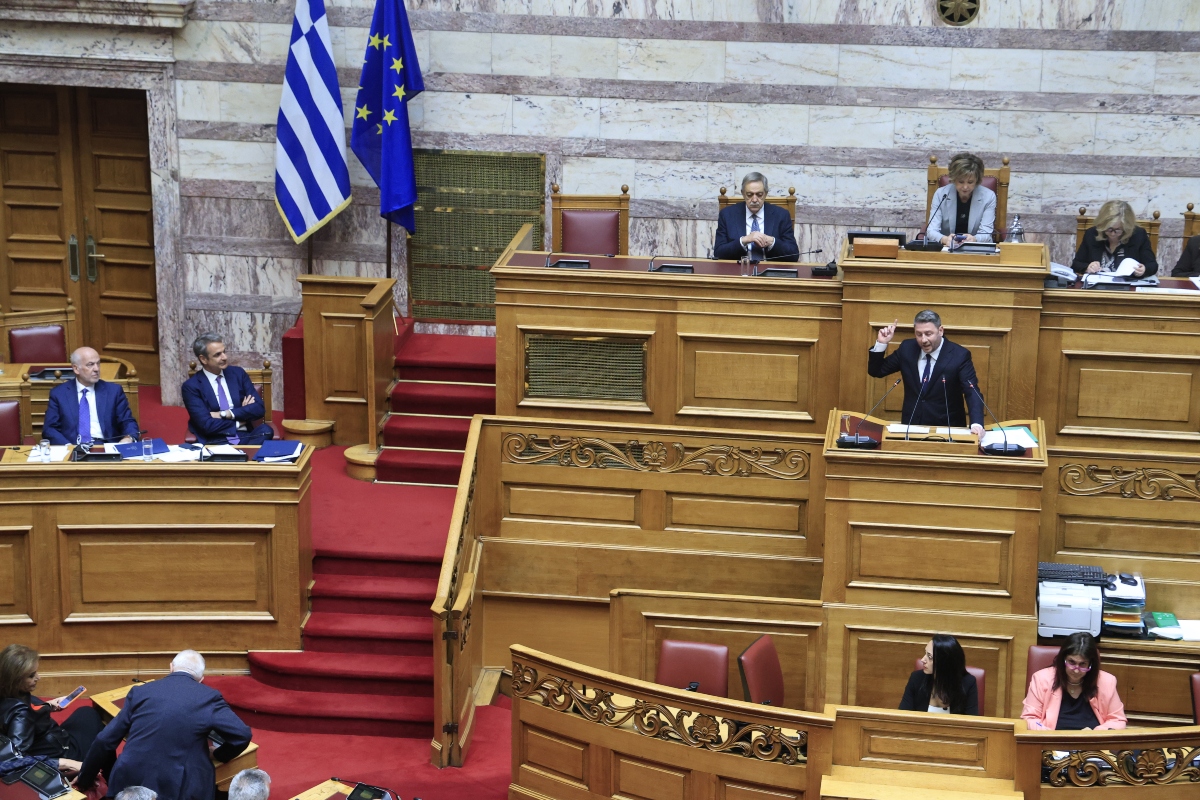
A high-stakes parliamentary debate on the rule of law in Greece has evolved into a full-scale political confrontation, highlighting growing polarization, lingering scandals, and competing narratives over the state of democracy in the country.
The debate, held at the request of opposition leader Nikos Androulakis, brought party leaders head-to-head in a charged atmosphere, with accusations ranging from institutional decay to political manipulation and corruption.
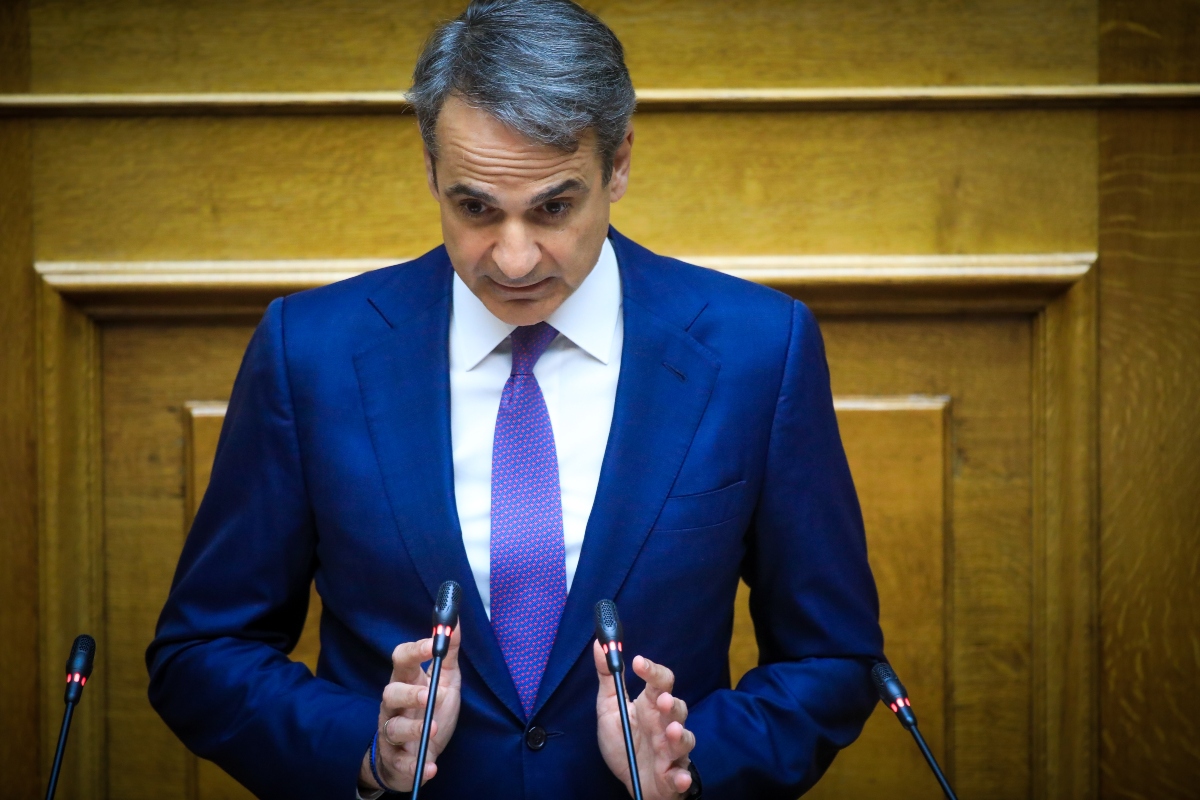
Mitsotakis: “Greece is progressing, despite imperfections”
Prime Minister Kyriakos Mitsotakis sought to reframe the discussion away from individual scandals toward systemic progress, emphasizing international assessments of Greece’s institutional performance.“The objective judge of the rule of law is not partisan rhetoric, but international institutions.”
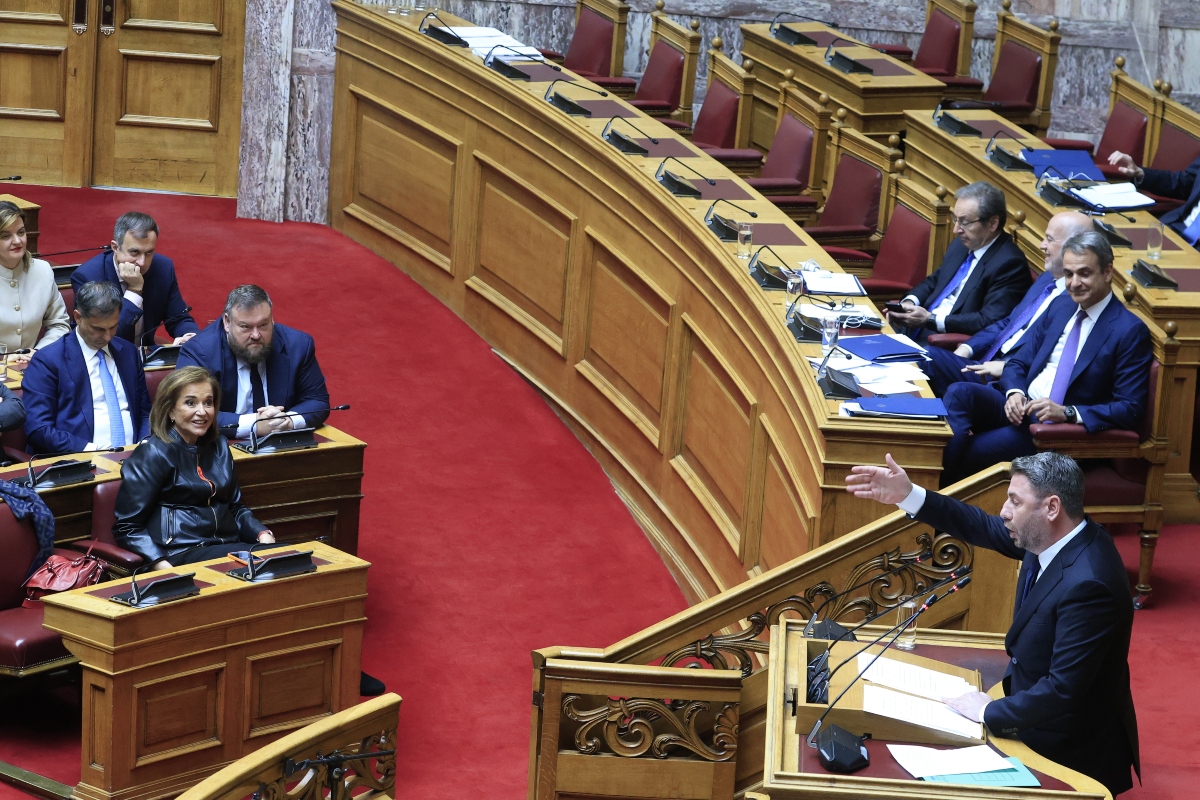
He cited reports by the European Commission, the OECD, and Transparency International, arguing that:
- judicial efficiency has improved
- anti-corruption strategies are being implemented
- digital governance is enhancing transparency
Mitsotakis also accused the opposition of fueling a toxic political climate:“At a time of global instability, you choose to recycle the past instead of addressing present challenges.”
Androulakis: “All scandals bear the government’s signature”
Opposition leader Nikos Androulakis delivered a sharp rebuttal, accusing the government of systematically undermining democratic institutions.“The downhill course is nearing its end—impunity will not last forever.”
He pointed to:
- the wiretapping scandal involving surveillance software
- alleged misuse of state mechanisms
- corruption cases, including those linked to agricultural subsidies
In a pointed remark, he challenged the prime minister directly:“Will you be remembered as Greece’s Nixon or its Orbán?”
Surveillance scandal continues to dominate
The debate was heavily shaped by the ongoing fallout from Greece’s surveillance scandal, involving the use of spyware such as Predator.
Nikos Androulakis himself was among those targeted, turning the issue into a major political flashpoint.
Opposition figures argue that:
- dozens of politicians, journalists, and officials were monitored
- state accountability remains insufficient
- there has been an attempt to downplay or obscure responsibility
The government, however, maintains that:
- legal surveillance procedures exist in all democracies
- institutional safeguards have since been strengthened
- the judiciary is handling the case independently
Broader opposition offensive
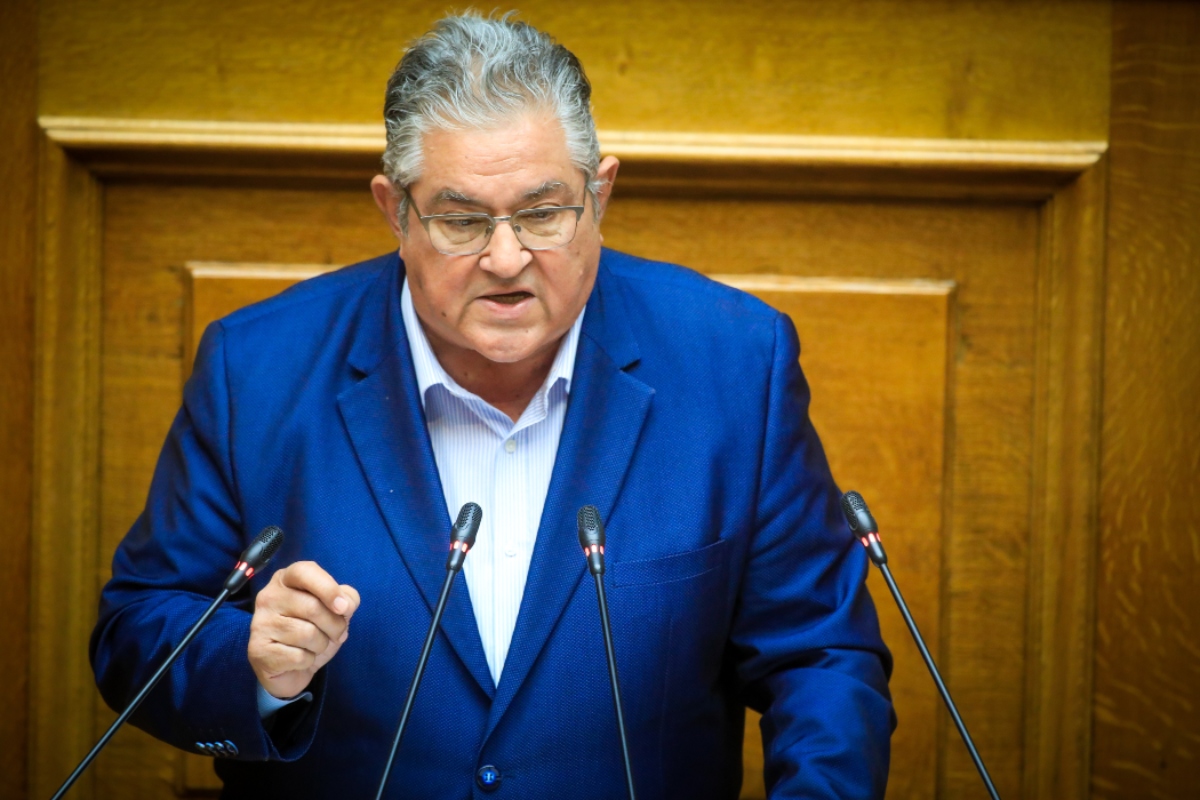
Other opposition leaders joined the criticism:
- Dimitris Koutsoumpas stated:“Nothing can save them anymore.”
- Sokratis Famellos accused the government of:“serious violations of the rule of law and democratic norms.”
The opposition broadly framed the government as one marked by:
- institutional erosion
- lack of accountability
- concentration of power
Constitutional reform in the background
Amid the confrontation, Kyriakos Mitsotakis signaled upcoming institutional reforms, including a potential constitutional revision.
Government sources suggest proposals may include:
- changes to judicial procedures
- further digitalization of the state
- measures to limit bureaucratic discretion
The opposition, however, questions the credibility of the government to lead such reforms.
Political stakes rising
The debate is widely seen as:
- a test of political momentum ahead of future elections
- an opportunity for the opposition to consolidate its narrative
- a signal of intensifying polarization
Scenarios under discussion include:
- parliamentary inquiries into scandals
- potential motions of no confidence
- even early elections, depending on political developments
The bigger picture: Trust in institutions
Beyond party politics, the debate reflects broader concerns about:
- judicial independence
- transparency and accountability
- public trust in democratic institutions
Within the European Union, rule of law standards are a key benchmark, and developments in Greece are closely monitored as part of broader concerns about democratic resilience across member states.
The parliamentary clash over the rule of law marks a critical moment in Greece’s political landscape. What unfolded was not merely a debate over institutional performance, but a deeper struggle over political legitimacy, governance, and the country’s democratic trajectory.
As tensions escalate and reforms loom, Greece appears to be entering a period of heightened political contestation—one that could shape its institutional future for years to come.
Source: pagenews.gr
Διαβάστε όλες τις τελευταίες Ειδήσεις από την Ελλάδα και τον Κόσμο