Trump vs Powell: “Fire him or face it” – The Fed independence under political siege
 ΧΡΟΝΟΣ ΑΝΑΓΝΩΣΗΣ 5 '
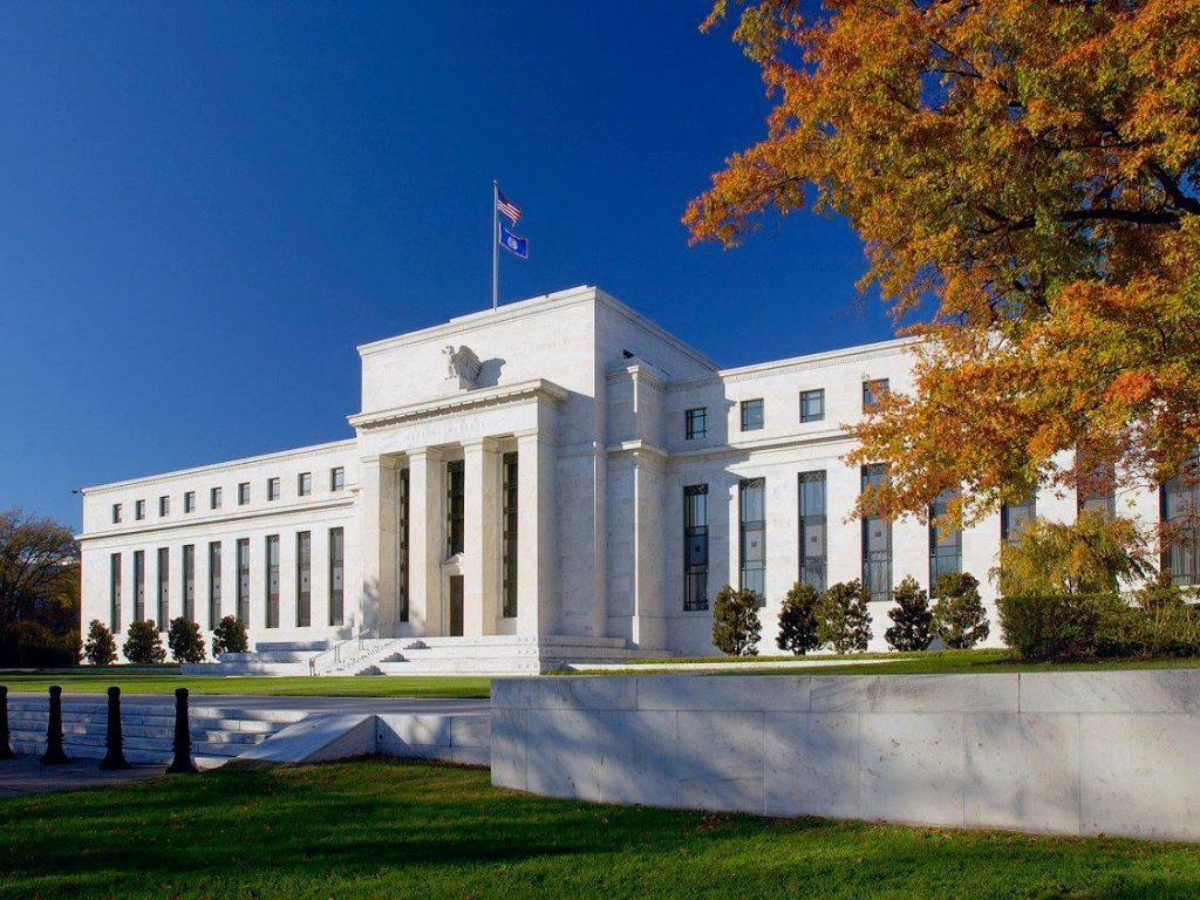
Πηγή Φωτογραφίας: AP Photo//Trump vs Powell: “Fire him or face it” – The Fed independence under political siege



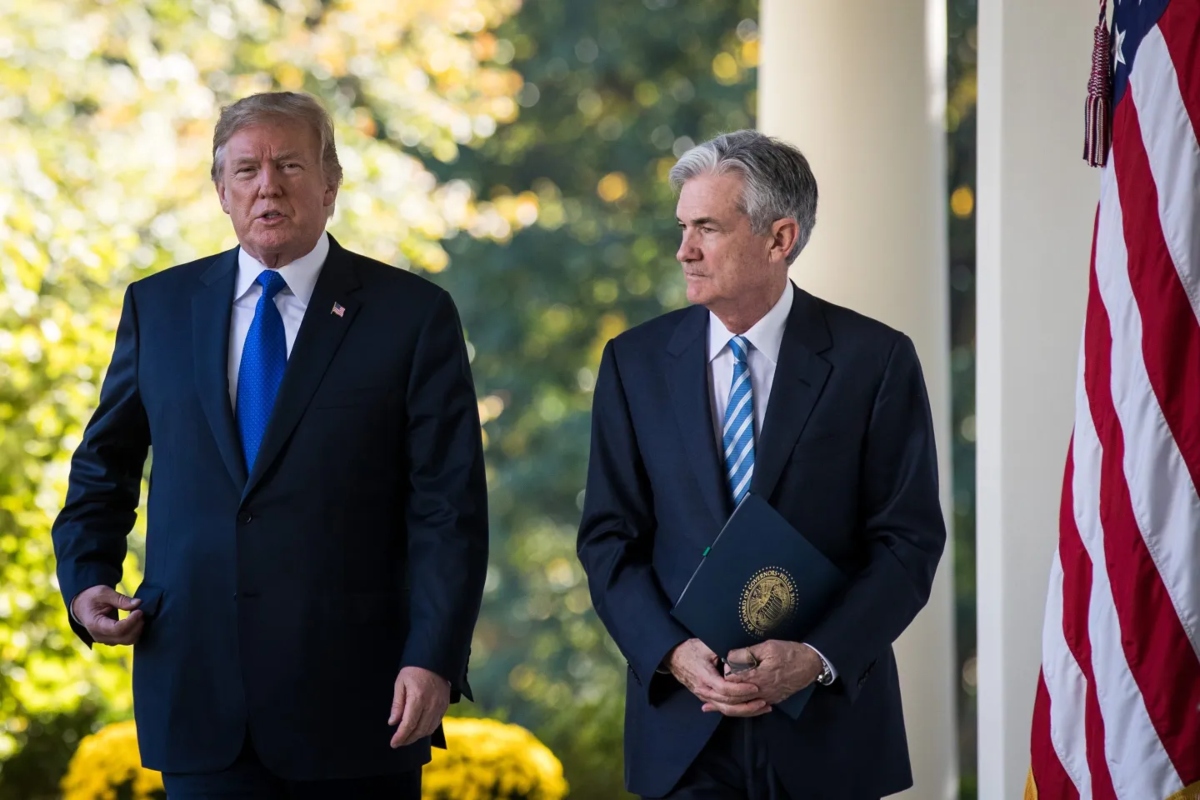
The relationship between Donald Trump and Federal Reserve Chair Jerome Powell has once again escalated into open confrontation, reviving one of the most sensitive debates in global finance: the independence of the US central bank.
In a series of recent statements, Trump renewed his threat to remove Powell from office and insisted that a federal investigation into the renovation of the Federal Reserve’s headquarters must continue, despite growing political and institutional resistance.
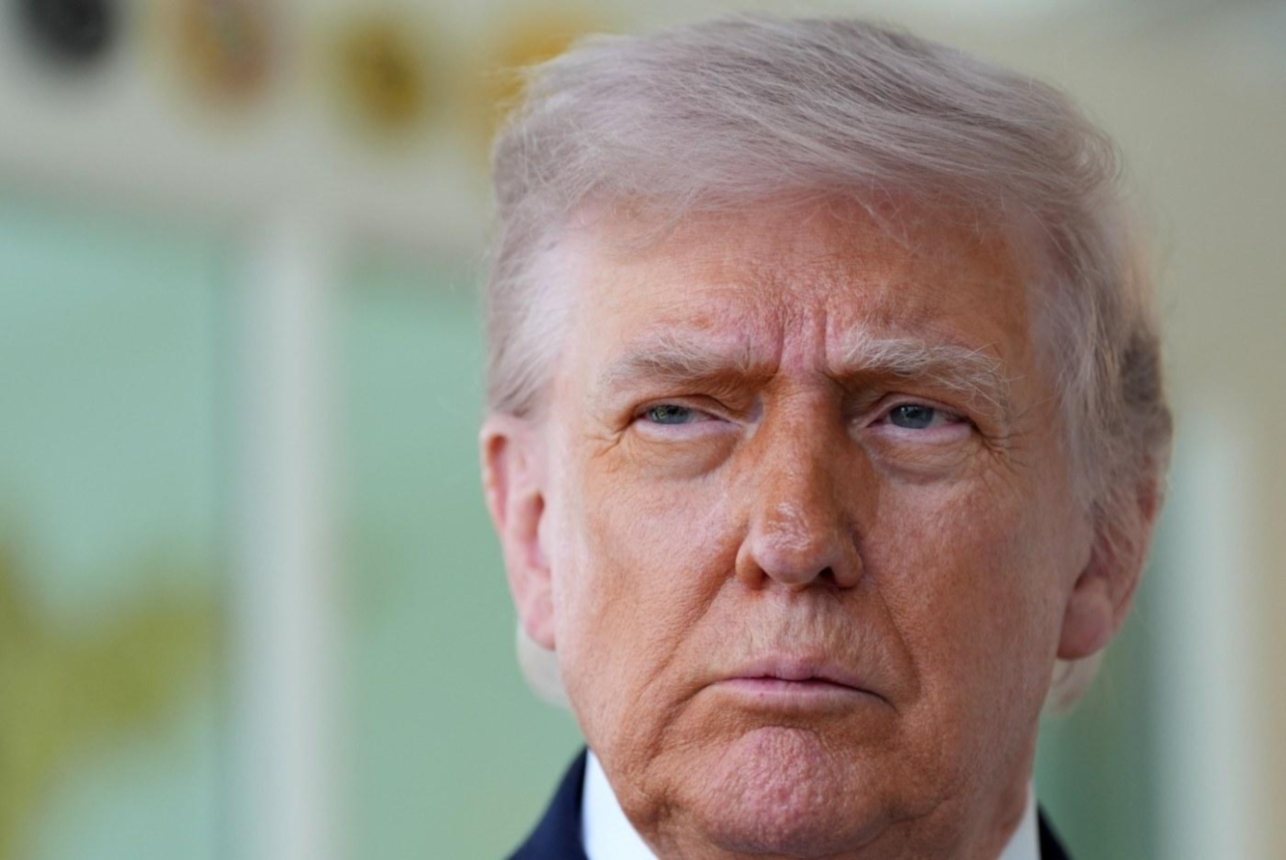
“I would have fired him already” – Trump escalates pressure
In a televised interview with Fox Business, Trump said:
“I have held back from firing him. I wanted to do it, but I don’t like the reaction. If he doesn’t leave on time, I will fire him.”
He further argued that Powell should not remain in office beyond the end of his term on May 15, unless the administration’s preferred successor is confirmed in time.
Trump has already backed Kevin Warsh as a potential replacement, signaling a more dovish stance on interest rates compared to Powell’s cautious approach.
The legal probe: $2.5 billion renovation becomes political battlefield
At the center of the controversy is a $2.5 billion renovation project of the Federal Reserve’s headquarters in Washington.
Trump confirmed that he will not drop the criminal inquiry into Powell’s handling of the project, stating:“Do you not think we should find out what happened there? Whether it is incompetence or corruption, we must investigate.”
The investigation is being led by the US Department of Justice, under pressure from Trump-aligned officials.
However, a federal judge recently blocked subpoenas issued in the case, warning that prosecutors may be using the investigation to pressure Powell into aligning with the president’s economic agenda.
Institutional clash: The Fed under pressure
Powell has indicated that he may remain on the Federal Reserve Board even after his term as chair ends, potentially staying until 2028, citing the need for continuity until investigations are fully resolved.
He has also stressed a long-standing institutional norm: central bank leadership should not be disrupted by political cycles.
Markets and central banks react
The escalation has triggered concern across global financial institutions.
Former Fed Chair and US Treasury Secretary Janet Yellen warned:“I have never seen a level of threat like this against the Federal Reserve. This is something you hear in a banana republic.”
International central banks and investors increasingly view the situation as a stress test of US institutional credibility.
Market analysts warn that any perceived loss of Fed independence could lead to:
- Higher long-term US borrowing costs
- Increased volatility in bond markets
- Reduced foreign demand for US Treasuries
- Dollar instability in extreme scenarios
Political deadlock inside the Republican Party
The nomination of Kevin Warsh has also become politically contested.
Several Republican senators, led by Tom Tillis, have reportedly stated they will not support confirmation until the investigation into Powell is concluded.
This creates a rare situation where:
- The White House pushes for leadership change
- Senate Republicans demand legal clarity first
- The central bank chair remains in limbo
The deeper issue: Interest rates vs political economy
At the core of the conflict lies a familiar tension:
Trump has repeatedly criticized Powell for not cutting interest rates aggressively enough, arguing that high borrowing costs hurt economic growth and increase US debt servicing costs.
Powell, in contrast, has prioritized inflation control and financial stability, resisting political pressure to accelerate monetary easing.
This divergence reflects a structural conflict between:
- Short-term political growth incentives
- Long-term monetary stability objectives
Why this matters globally
The Federal Reserve is not just a US institution. It is the anchor of global liquidity.
Any erosion of its independence could have systemic consequences for:
- Global credit pricing
- Emerging market capital flows
- Commodity markets
- Currency stability
Even the perception of political control over US monetary policy can reprice global risk.
A stress test for the world’s most powerful central bank
The confrontation between Trump and Powell is no longer a personal or procedural dispute. It is evolving into a structural test of institutional independence in the world’s most influential financial system.
Whether Powell remains in office or not, the signal already sent to markets is clear: monetary policy is becoming a political battlefield once again.
Sources (for enrichment and verification): Fox Business interview transcript (Donald Trump statements),Federal Reserve official communications,US Department of Justice public statements on ongoing investigation,Federal court ruling blocking subpoenas (US District Court, Washington D.C.),Public remarks by Janet Yellen (Hong Kong financial conference),Federal Reserve governance and tenure framework (Federal Reserve Act),Market commentary from major financial institutions (Bloomberg, Reuters analysis summaries)
Διαβάστε όλες τις τελευταίες Ειδήσεις από την Ελλάδα και τον Κόσμο