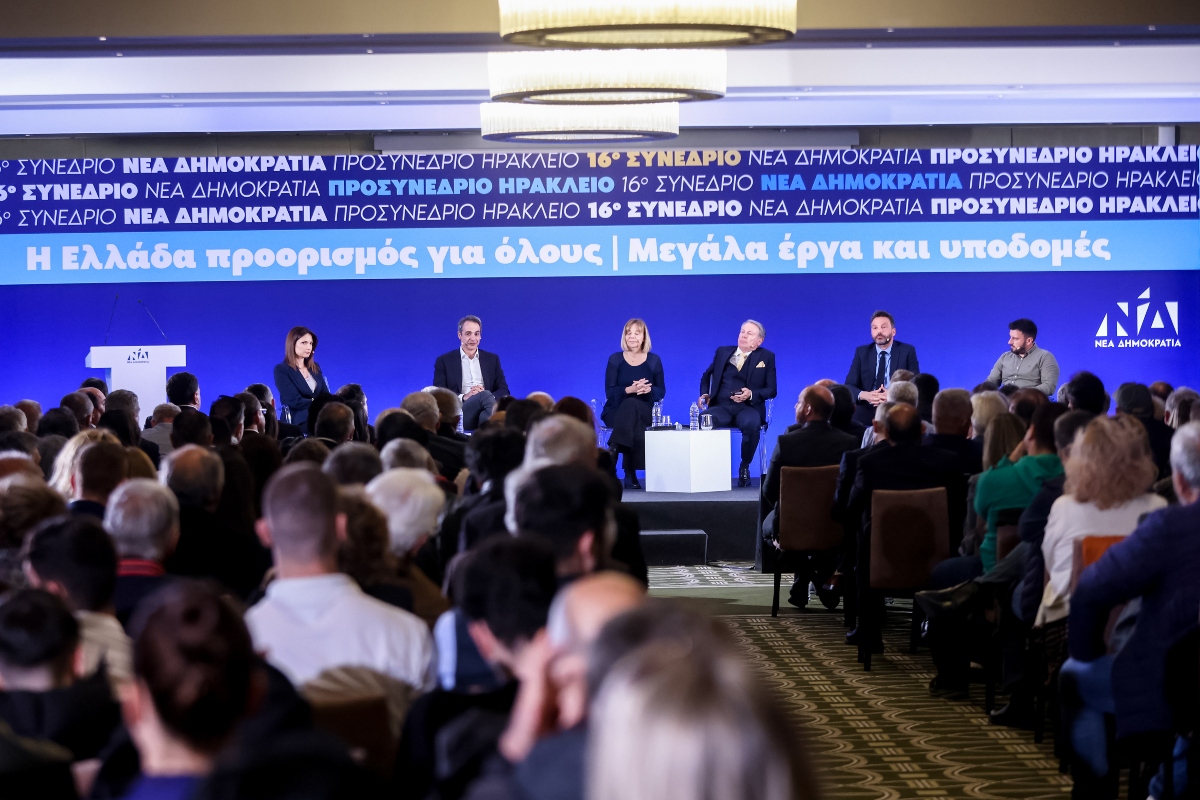
At the 4th pre-congress of New Democracy in Heraklion, Prime Minister Kyriakos Mitsotakis delivered more than a policy speech—he outlined a clear political divide.
His central message was blunt and strategic:
“On one side, there is a plan for Greece in 2030. On the other, a mindset that wants to take us back to the 1980s.”
This was not merely rhetoric—it was a deliberate attempt to define the terrain of the next political confrontation.
The power of a political dilemma
The reference to the “1980s” carries symbolic weight. It implicitly links parts of the opposition to older governance models, while “Greece 2030” functions as a forward-looking political brand built on:
- reforms,
- investment,
- digital transformation,
- European alignment.
It is a classic binary narrative: future versus past.
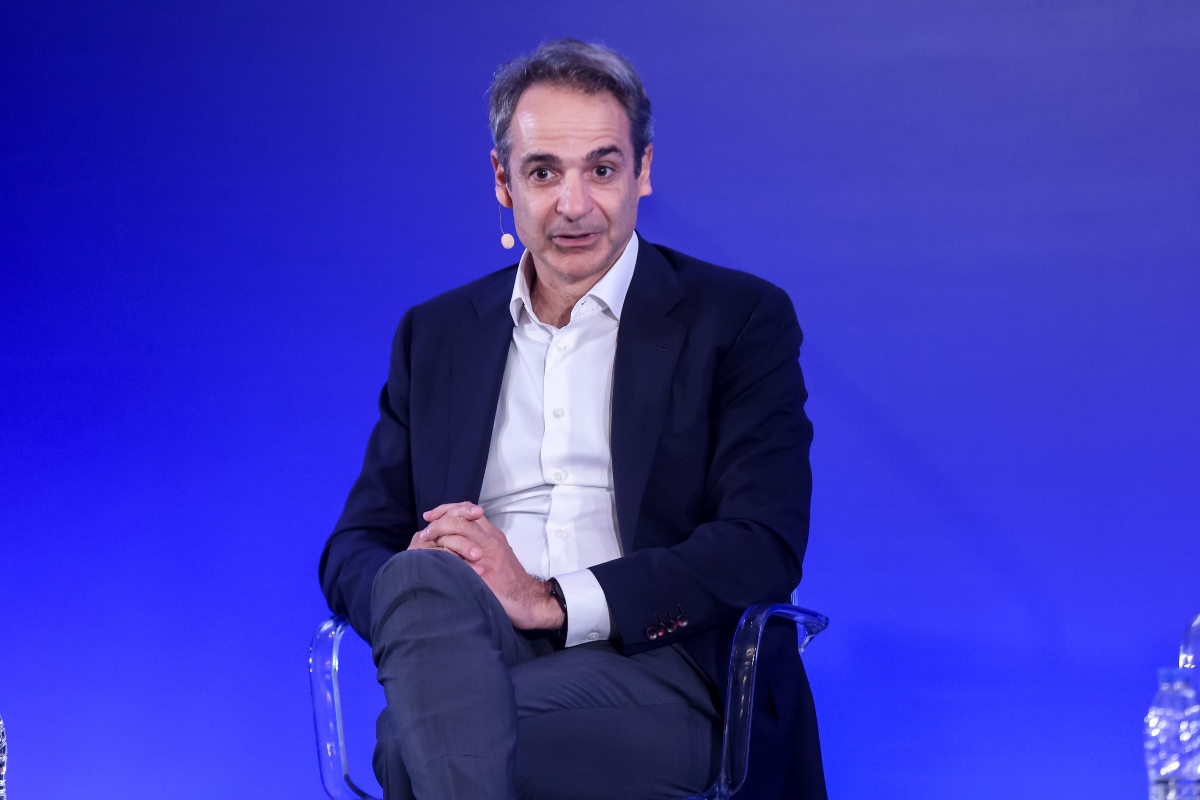

From development agenda to political clash
Although the event focused on development, Mitsotakis shifted quickly toward political contrast.
He:
- accused the opposition of offering criticism without proposals,
- argued that the government operates with a clear plan,
- acknowledged past mistakes while emphasizing direction and results.
Admitting flaws, in this context, reinforces credibility rather than weakness.
Stability versus uncertainty
Beneath the rhetoric lies a broader strategic framing: stability against uncertainty.
Kyriakos Mitsotakis positions his administration as the only reliable driver of long-term planning, contrasting it with what he portrays as fragmented opposition politics.
Crete as a political stage
The choice of Crete is politically significant.
It is:
- a competitive electoral region,
- a symbol of regional development,
- and a key battleground for future political influence.
The message is clear: development must reach beyond major urban centers.
This was not just a policy address—it was a strategic political signal.
The “1980 vs 2030” narrative encapsulates the government’s campaign line: a choice about the country’s direction.
Whether this framing resonates with voters—or oversimplifies a more complex reality—remains to be seen.
Source: pagenews.gr