EU–Israel Relations Under Pressure as Sánchez Moves to Suspend Association Agreement
 ΧΡΟΝΟΣ ΑΝΑΓΝΩΣΗΣ 5 '
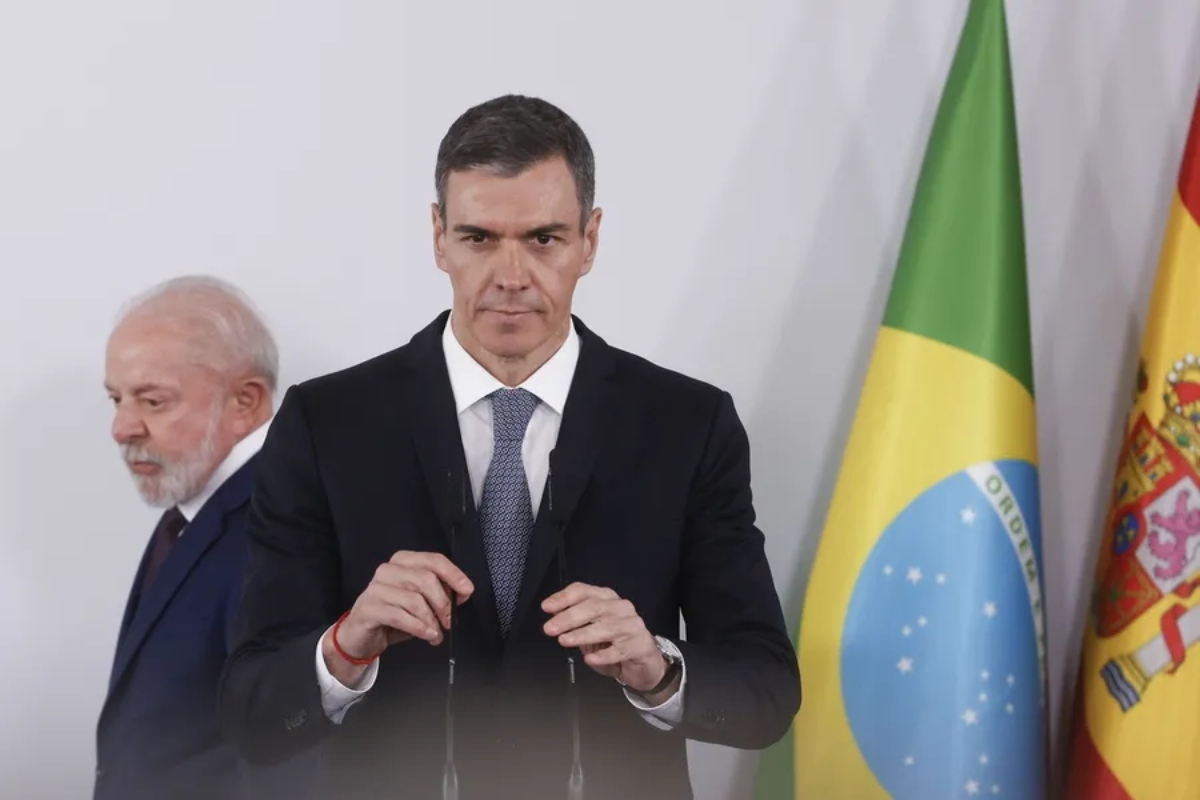
Πηγή Φωτογραφίας: AP Photo//EU–Israel Relations Under Pressure as Sánchez Moves to Suspend Association Agreement



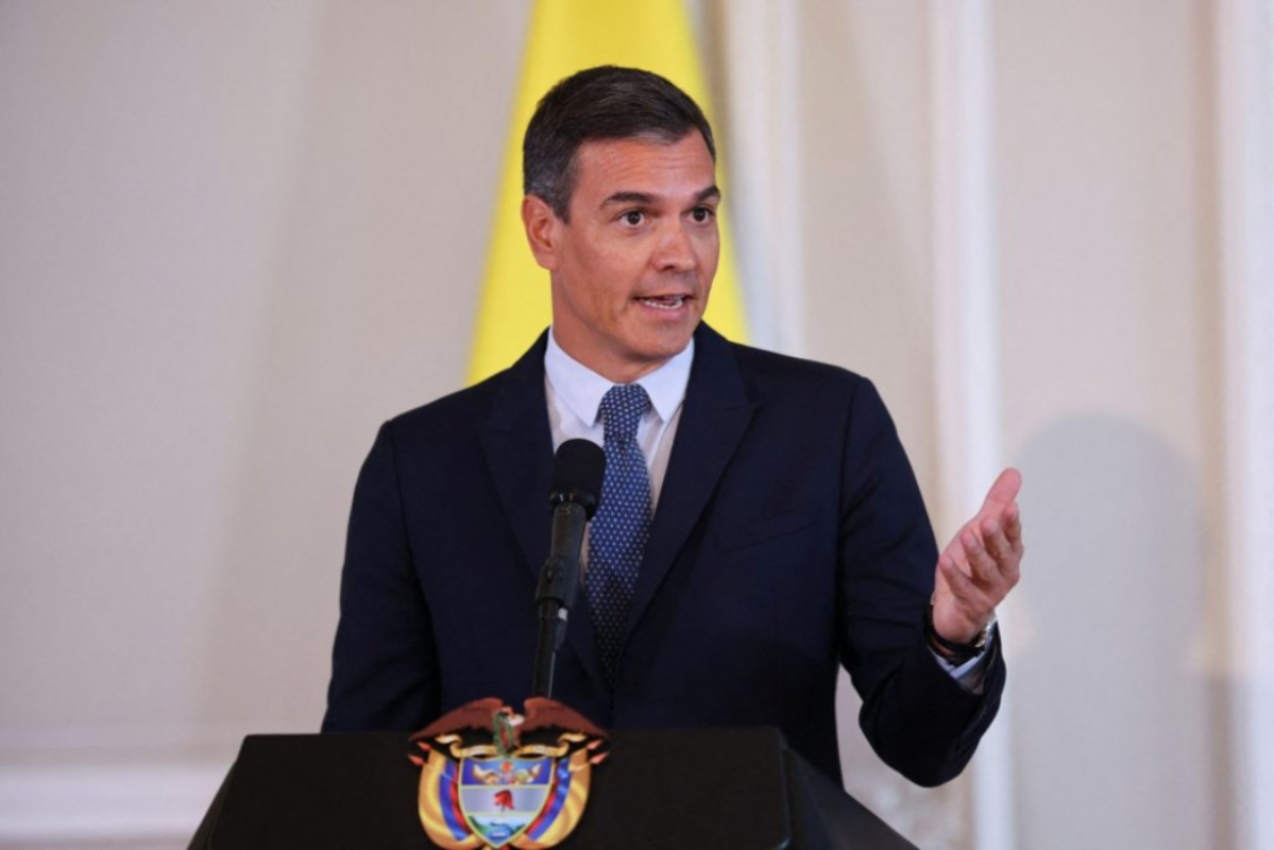
The European Union is heading into a critical diplomatic week as Spanish Prime Minister Pedro Sánchez prepares to formally call for the suspension of the EU–Israel Association Agreement, a cornerstone framework governing political dialogue and €40+ billion in annual trade relations.
The move, scheduled for discussion in Brussels on Tuesday, reflects growing internal divisions within the EU over Israel’s conduct in Gaza, the West Bank, and wider regional tensions, and could mark the most serious institutional challenge to EU–Israel relations in decades.
A legal and political turning point
The EU–Israel Association Agreement, in force since 2000, is built on a key clause requiring respect for human rights and democratic principles. EU officials have previously found indications that Israel may be in breach of this provision, but member states have so far failed to reach the qualified majority needed to suspend it.
The current push, led by Madrid and supported by several southern EU states, seeks either a full or partial suspension of the agreement, potentially targeting trade benefits, research cooperation, and political dialogue mechanisms.
According to diplomatic sources cited in EU discussions, the issue has moved beyond symbolic criticism and into the realm of enforceable treaty conditionality—something the bloc has rarely activated against a strategic partner.
Sánchez: “No partnership without compliance”
Spanish officials argue that the EU cannot maintain “business as usual” while allegations of serious violations of international humanitarian law remain unresolved.
Sánchez has reportedly framed the initiative as a matter of credibility for the Union, stating that “a government that violates international law cannot be treated as a normal partner of Europe,” according to European diplomatic briefings.
The proposal is expected to test the balance between legal obligations under the treaty’s human-rights clause and the geopolitical importance of Israel as a regional partner.
Deep divisions inside the EU
The debate exposes sharp fractures among member states.
- Countries such as Spain, Ireland, and Belgium have pushed for stronger measures, including suspension or sanctions.
- Others, including Germany and Italy, remain cautious, citing security cooperation and historical responsibility.
- The European Commission has previously acknowledged that Israel may be in breach of Article 2 but has avoided triggering suspension due to lack of consensus.
Recent public pressure has intensified the debate, with over one million EU citizens signing a petition calling for suspension of the agreement.
Economic stakes: billions and strategic dependency
The EU is Israel’s largest trading partner, with goods trade exceeding €40 billion annually. Any suspension would therefore have immediate economic and technological consequences, particularly in sectors such as pharmaceuticals, digital innovation, and research programs like Horizon Europe.
Analysts note that even a partial suspension would represent a significant geopolitical signal, likely affecting not only Israel–EU relations but also EU influence in the wider Middle East.
Strategic implications
Beyond economics, the debate reflects a broader geopolitical shift.
EU officials increasingly frame the issue as part of a larger reassessment of external partnerships based on compliance with international law. The discussion also intersects with internal EU debates on strategic autonomy, credibility in foreign policy, and consistency in responding to conflicts such as Ukraine and Gaza.
If the proposal advances, it would mark the first time the EU seriously considers activating the suspension mechanism of a major Mediterranean association agreement for political reasons.
Outlook
Tuesday’s discussions are expected to be highly contested, with no certainty of a qualified majority. However, even if the proposal fails, diplomats say it signals a structural change: the EU–Israel relationship is no longer insulated from political conditionality debates at the highest level.
As one EU diplomat put it ahead of the meeting, “the question is no longer whether the agreement is legally sensitive—it is whether Europe is politically ready to act on its own rules.”
Source: pagenews.gr
Διαβάστε όλες τις τελευταίες Ειδήσεις από την Ελλάδα και τον Κόσμο