Greece–Estonia: Strategic convergence in digital governance, defence and European security
 ΧΡΟΝΟΣ ΑΝΑΓΝΩΣΗΣ 3 '
Πηγή Φωτογραφίας: eurokinissi//Greece–Estonia: Strategic convergence in digital governance, defence and European security



Athens – Tallinn: strengthening ties in the digital era
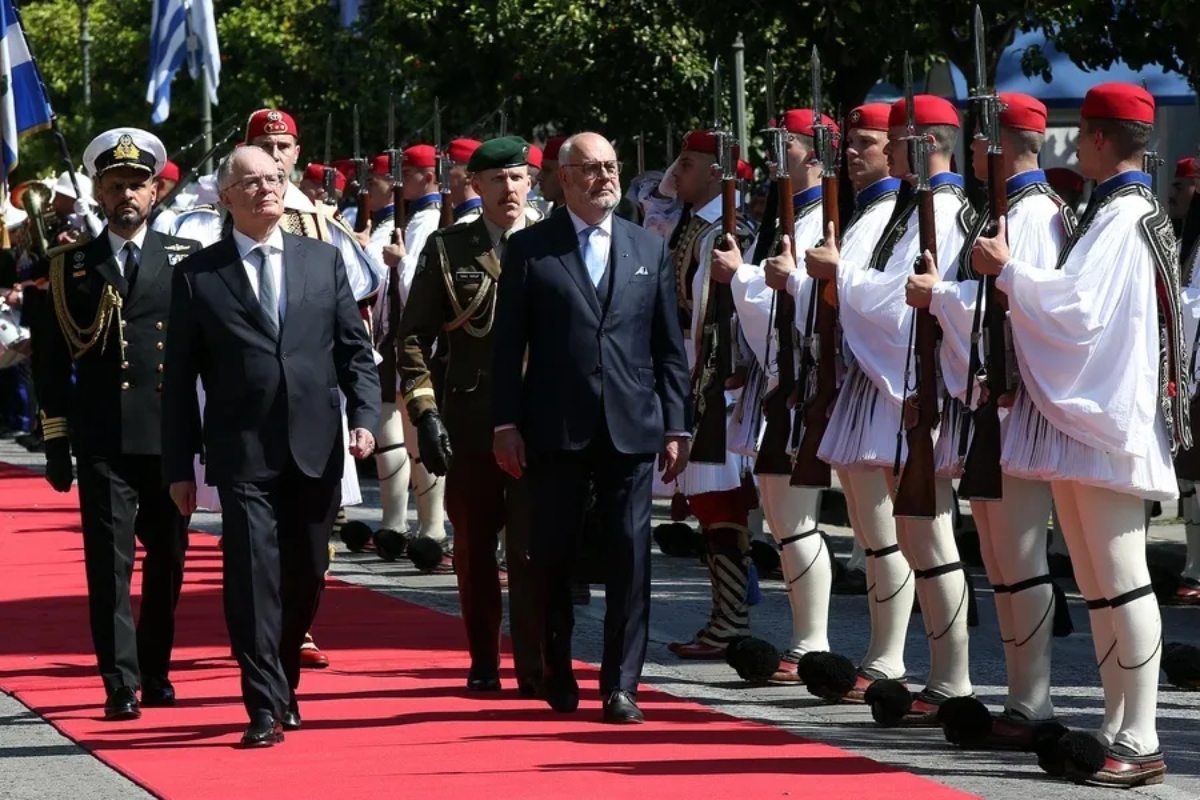
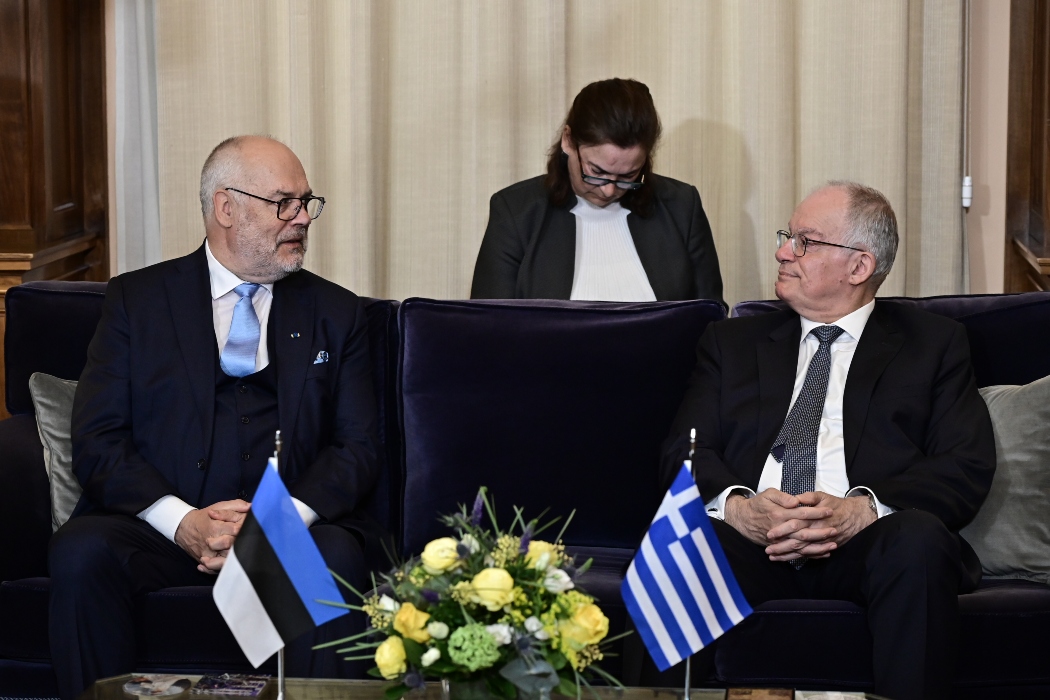
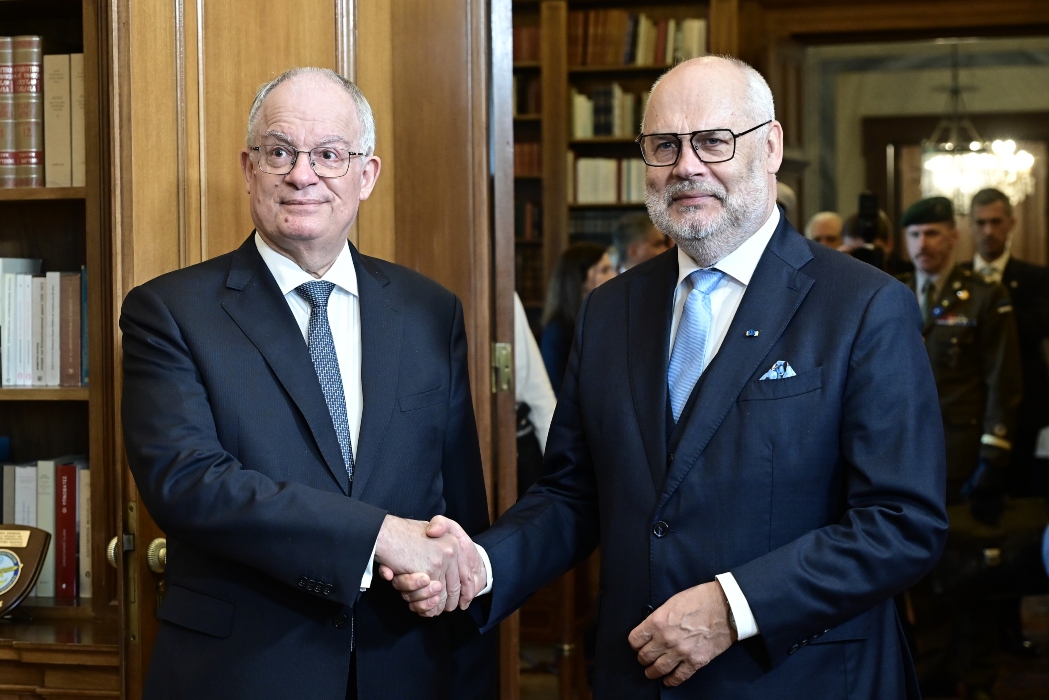
The meeting between Greek President Konstantinos Tasoulas and Estonian President Alar Karis at the Presidential Mansion in Athens reaffirmed the strong bilateral relationship between the two countries and their shared commitment to deepening cooperation across key strategic sectors.
A central focus of the talks was digital governance, an area where Estonia is widely regarded as a global pioneer.
Tasoulas noted:“Estonia has long been a leader in digital governance, while Greece also has a historical technological tradition.”
He symbolically referred to the ancient Antikythera Mechanism, presenting a replica as a gesture of Greece’s historical contribution to technological innovation.
Shared values and European identity
Both leaders emphasized that Greece and Estonia share core principles, including:
- respect for international law
- commitment to sovereignty and territorial integrity
- a common European strategic identity
Tasoulas stressed:“Both our countries fully respect the principles of international law.”
He further linked their positions on Ukraine to Greece’s historical experience regarding Cyprus, drawing a parallel between the two geopolitical challenges.
Ukraine, security and hybrid threats
The war in Ukraine featured prominently in the discussions, with both sides reaffirming support for Kyiv.
Tasoulas stated:“Our stance on Ukraine is also shaped by our own experience in Cyprus.”
President Karis, for his part, underlined the need to strengthen defence capabilities:“We must continue to reinforce our defence and invest more resources in security.”
The two leaders also identified shared challenges, including:
- hybrid warfare
- energy security
- migration pressures
- climate-related risks
Digital cooperation and Frontex
A key area of convergence is digital public administration and border security.
Estonia expressed readiness to share its expertise in e-governance systems, while Greece highlighted Estonia’s contribution to European border protection through cooperation with Frontex.
Tasoulas noted:“Estonia assists Greece in the area of border protection through Frontex.”
This reflects a broader EU trend where technological innovation is increasingly integrated into border management and security policy.
New connectivity and cultural links
President Karis announced the launch of direct flights between Athens and Tallinn, marking a new phase in economic, tourism, and people-to-people connectivity.
He also referred to a planned visit to a monastic community in Larissa, emphasizing cultural and spiritual ties between the two nations.
A broader European pattern
The meeting reflects a wider evolution within the European Union, where cooperation among member states is no longer limited to traditional diplomacy but increasingly extends to:
- digital state infrastructure
- defence and security coordination
- geopolitical resilience
- technological integration
Despite geographical distance, Greece and Estonia are increasingly aligned in their strategic interpretation of Europe’s contemporary challenges, particularly in relation to security, technology, and international stability.
Source: pagenews.gr
Διαβάστε όλες τις τελευταίες Ειδήσεις από την Ελλάδα και τον Κόσμο