New Licensing Framework for Regional TV Channels in Public Consultation
 ΧΡΟΝΟΣ ΑΝΑΓΝΩΣΗΣ 3 '
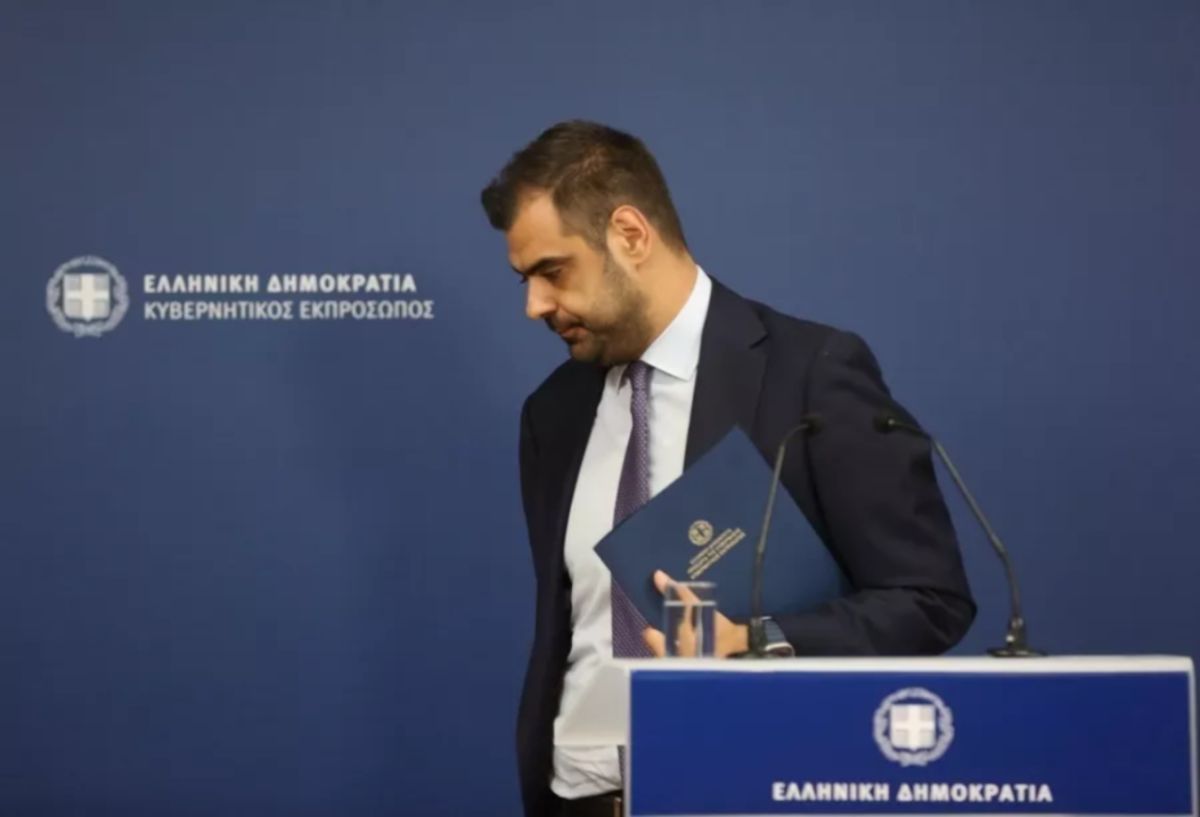
Πηγή Φωτογραφίας: ΑΠΕ-ΜΠΕ, Αλέξανδρος Βλάχος//New Licensing Framework for Regional TV Channels in Public Consultation



Ending Decades of Legal Uncertainty
According to Marinakis:
- The bill aims to resolve a regulatory gap lasting nearly 30 years
- Regional TV stations have operated under a vague “legal operation” status without strict oversight
- The new framework introduces a complete and formal licensing system
Key Goals of the Reform
The proposed law seeks to:
- Establish clear rules and requirements for obtaining and maintaining licenses
- Improve the quality of content and services offered to viewers
- Increase transparency, accountability, and sustainability in the media sector
- Ensure systematic oversight and enforcement
Stricter Rules and Oversight
Licensed TV stations will be required to meet conditions such as:
- Tax and social security compliance
- Full transparency of ownership (disclosure of shareholders ≥1%)
- Clean criminal record checks
- Minimum staffing levels (journalists and other employees)
- Adequate infrastructure and technical equipment
- Complete and consistent programming
They must also:
- Maintain their declared content profile (informational or not)
- Follow strict rules on networking (to prevent hidden nationwide broadcasting)
- Comply with all broadcasting laws
Violations may lead to penalties up to license revocation.
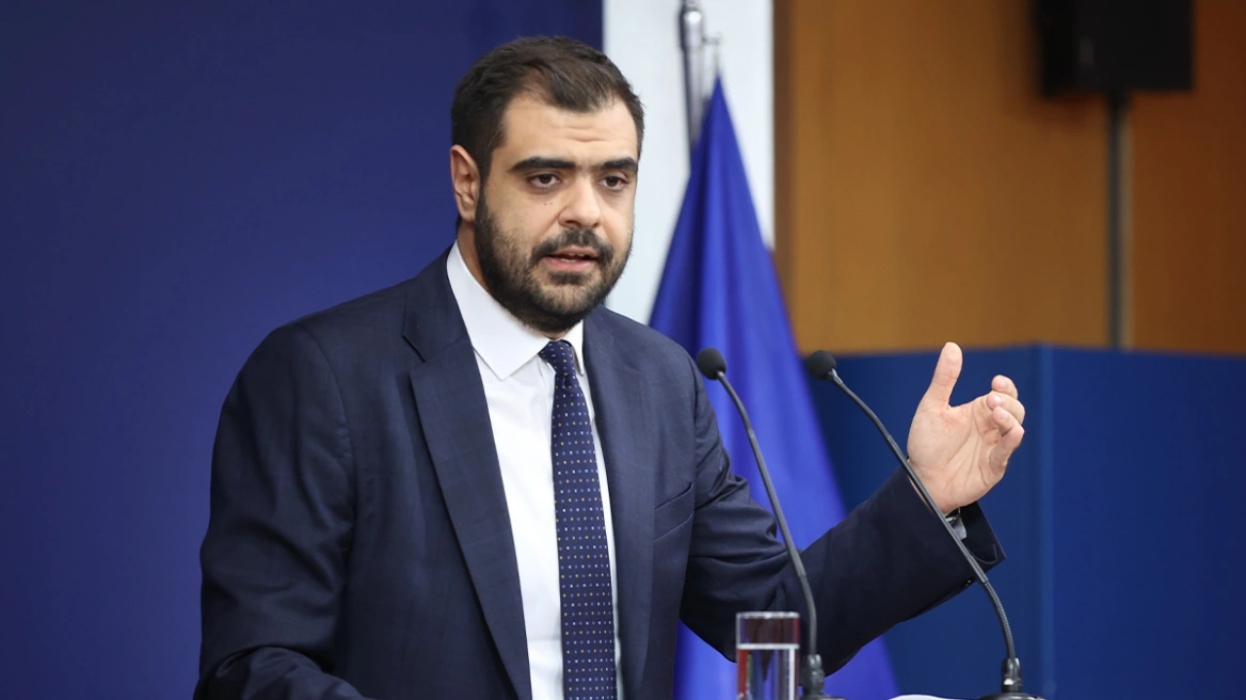
No More Auction Model
The bill abolishes provisions of Law 4339/2015 and rejects the previous auction-based licensing system, where licenses went to the highest bidder.
Instead, licensing will be based on:
- Qualitative, objective criteria
- Not financial competition alone
Role of Regulatory Authorities
The National Council for Radio and Television (NCRTV/ESR) will:
- Oversee the licensing process
- Monitor compliance
It will work alongside:
- The Ministry of Digital Governance
- The Hellenic Telecommunications and Post Commission for technical specifications
Additional Provisions
- All licensed channels will broadcast in high definition (HD)
- A small annual supervisory fee will be paid to the regulator
- Measures are included to protect jobs and create new employment opportunities
- Legal broadcasters will be shielded from unfair competition by unlicensed “ghost” stations
Government’s Position
Marinakis emphasized that the reform:
- Supports healthy, law-abiding media businesses
- Strengthens press freedom
- Moves away from restrictive practices of the past
- Ensures regional stations can better represent local communities

Public Consultation
The draft law will remain open for public feedback until: May 4, 2026
Bottom Line
This reform is presented as a major attempt to bring order, transparency, and professionalism to Greece’s regional TV landscape—replacing decades of loosely regulated operation with a structured and enforceable system.
Source: pagenews.gr
Διαβάστε όλες τις τελευταίες Ειδήσεις από την Ελλάδα και τον Κόσμο