Papastavrou Signals Greece’s Energy Rise: “A Strong Nation with National Confidence”
 ΧΡΟΝΟΣ ΑΝΑΓΝΩΣΗΣ 5 '
Πηγή Φωτογραφίας: eurokinissi//Papastavrou Signals Greece’s Energy Rise: “A Strong Nation with National Confidence”



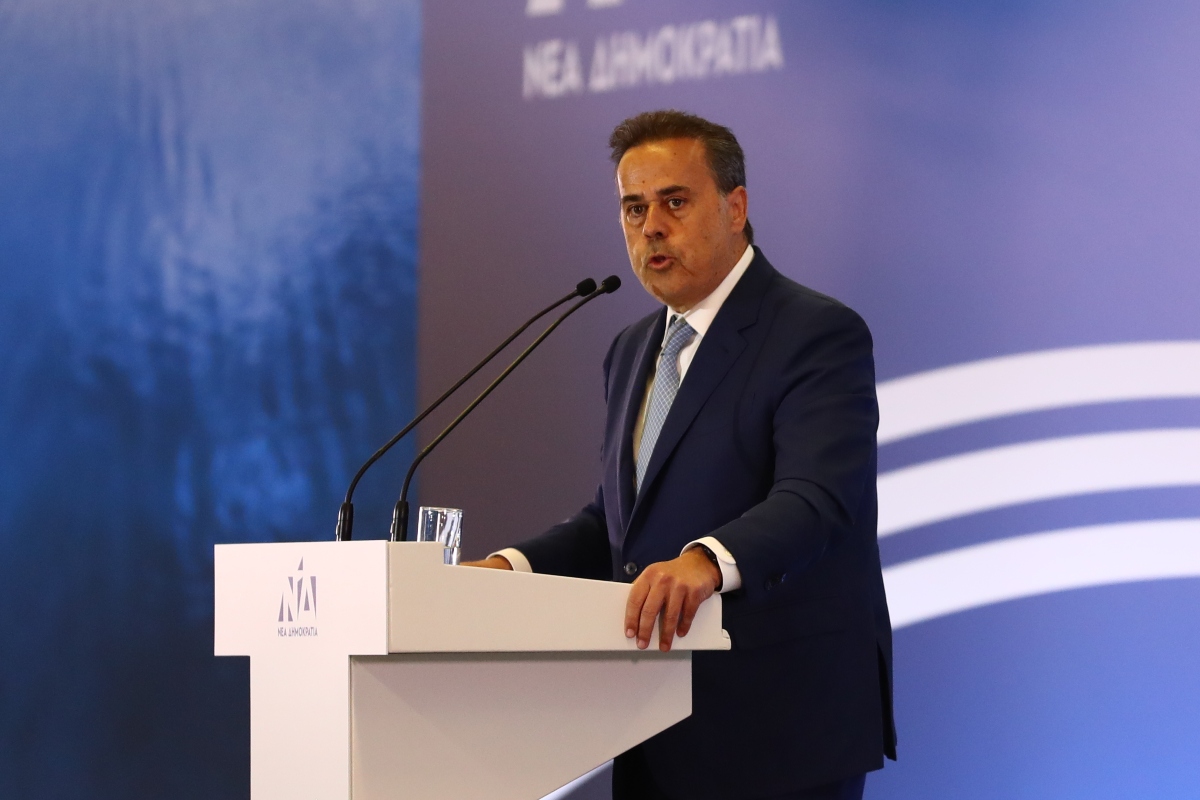
In a speech combining political symbolism, national strategy and economic messaging, Greek Environment and Energy Minister Stavros Papastavrou used the stage of New Democracy’s 6th pre-congress conference in Thessaloniki to present the government’s broader vision for Greece as an emerging energy and geopolitical power in Southeastern Europe.
Addressing members of New Democracy, Papastavrou framed energy policy not merely as an economic issue, but as a cornerstone of national sovereignty, security and long-term strategic independence.
“This is New Democracy: patriotism with responsibility, development with rules, and a strong Greece with national confidence,” the minister declared, encapsulating the ideological message behind the government’s energy agenda.
The speech blended historical references, geopolitical ambition and economic strategy, while repeatedly emphasizing continuity between past New Democracy governments and the current administration of Prime Minister Kyriakos Mitsotakis.
Papastavrou praised the party’s historical legacy, invoking figures such as Konstantinos Karamanlis, Konstantinos Mitsotakis, Kostas Karamanlis and Antonis Samaras, arguing that New Democracy has consistently prioritized national energy security for decades.
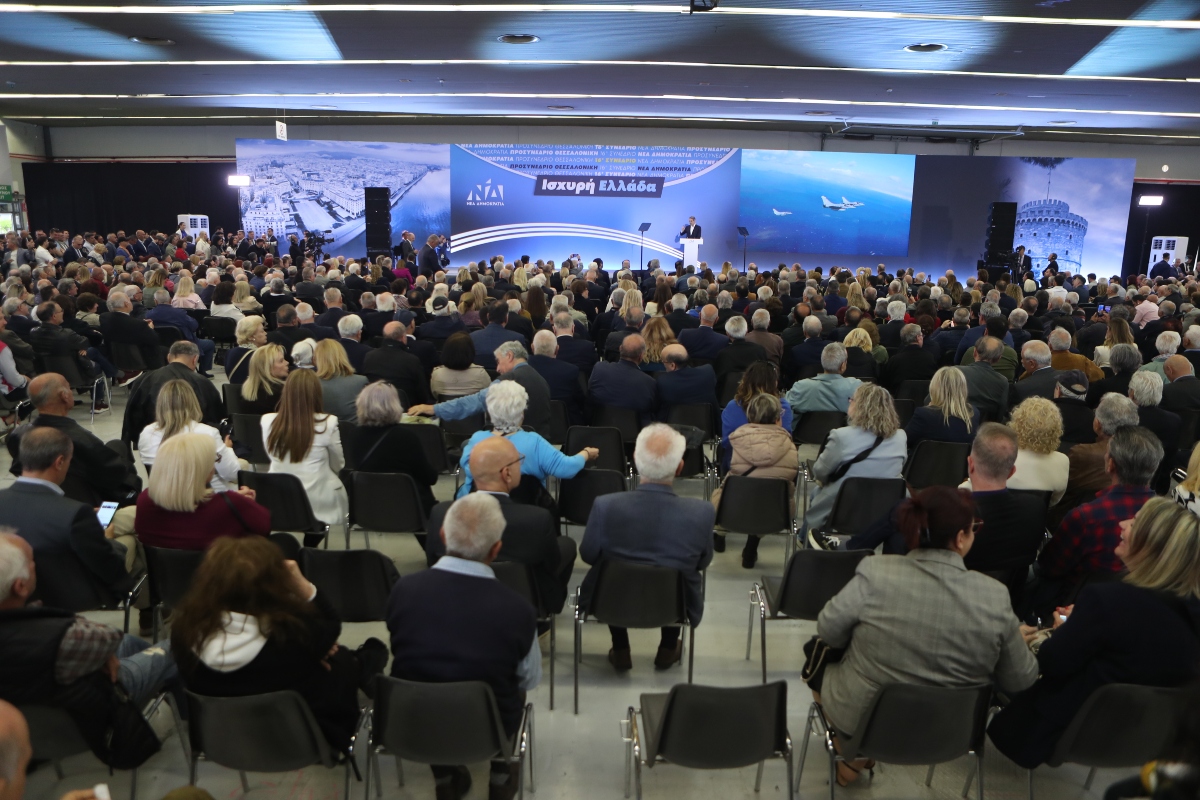
“The homeland above the party, above personal strategies and above political ego,” he stated, linking energy policy directly to what he described as a modern form of responsible patriotism.
A significant portion of the address focused on hydrocarbon exploration and Greece’s growing international energy partnerships. Papastavrou highlighted ongoing projects in the Ionian Sea and south of Crete involving major international companies such as ExxonMobil, Chevron and Helleniq Energy.
“The two largest American energy companies are placing a vote of confidence in Greece,” he said, presenting foreign investment as proof of Greece’s increasing geopolitical credibility and strategic importance.
The minister also delivered an indirect message toward Turkey, arguing that Greece’s energy agreements and offshore exploration plans effectively reinforce the country’s sovereign rights in the Eastern Mediterranean.
“These initiatives confirm our rights in practice and invalidate revisionist claims,” he stressed.
Papastavrou repeatedly connected energy independence with national freedom and resilience.
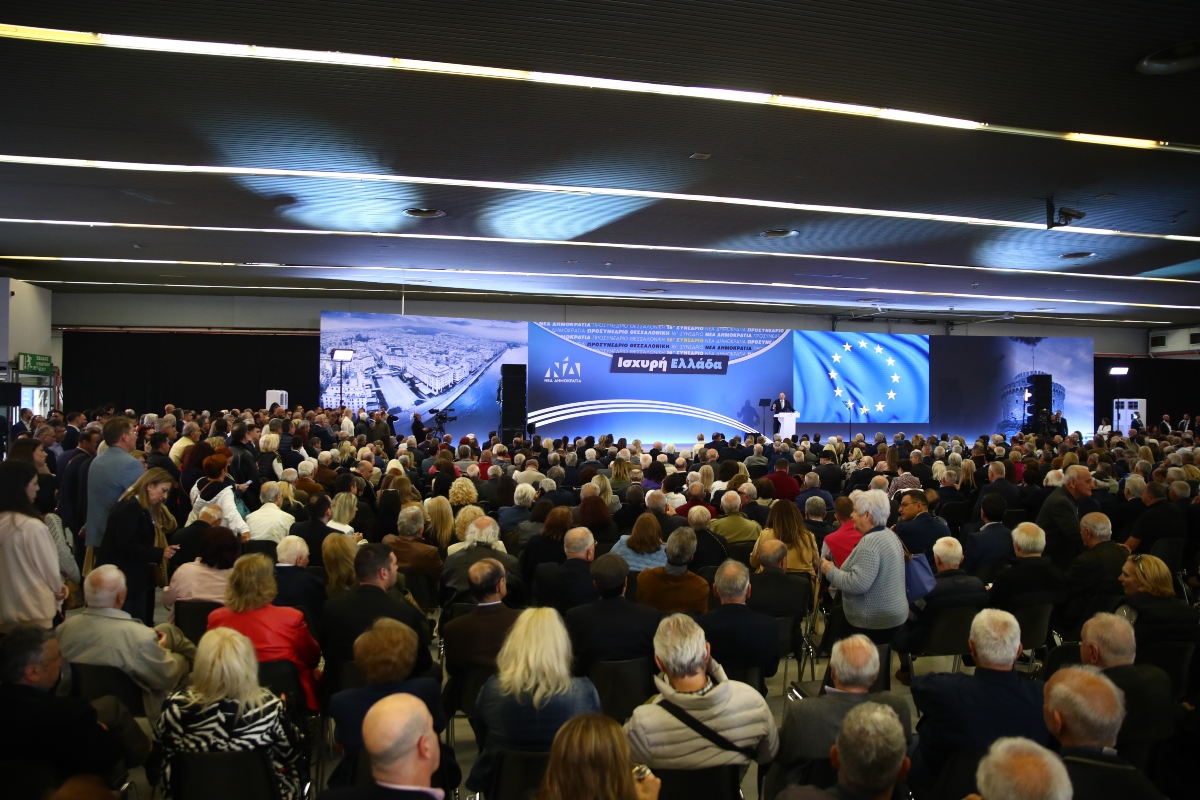
“Whoever controls their energy controls their destiny,” he declared, emphasizing that reducing dependence on external energy pressures is now a matter of national security.
At the same time, the minister attempted to balance hydrocarbon development with Greece’s aggressive expansion of renewable energy sources.
According to figures presented during the speech, Greece now ranks third globally in solar energy penetration, while more than 50% of the country’s electricity production comes from renewable energy sources.
“Greece in 2026 is moving forward. Greece is leading,” he said, describing the country’s energy transformation as an “energy miracle” achieved over the past seven years.
A central theme of the address was Greece’s ambition to become a regional energy hub for Southeastern Europe. Papastavrou highlighted projects including Revithoussa LNG Terminal, the Trans Adriatic Pipeline, the IGB and the Alexandroupoli FSRU terminal as part of a broader strategy to reshape regional energy flows.
Particular emphasis was placed on the so-called “Vertical Corridor,” which the minister described as a transformative project for Macedonia and Northern Greece.
“Turkey is now trying to catch up with us,” Papastavrou remarked, framing the energy strategy as part of a wider geopolitical competition in the region.
The minister also addressed environmental concerns, arguing that economic development and environmental protection can coexist.
References to Greece’s National Marine Parks and Maritime Spatial Planning framework were intended to demonstrate that the government is simultaneously advancing economic growth, environmental protection and sovereign rights in maritime zones.
The broader political message from Thessaloniki was clear: the Greek government seeks to position the country as a stable European power with increasing influence over regional energy security, infrastructure and geopolitics.
Through this narrative, New Democracy aims to strengthen its image as the political force capable of combining modernization with patriotism, economic development with strategic autonomy, and national confidence with international credibility.
Source: pagenews.gr
Διαβάστε όλες τις τελευταίες Ειδήσεις από την Ελλάδα και τον Κόσμο