Eurobank: €6–8 Billion in Investments “Lost” from Recovery Fund–Warning Over Coordination Gaps Growth Outlook
 ΧΡΟΝΟΣ ΑΝΑΓΝΩΣΗΣ 3 '
Πηγή Φωτογραφίας: eurokinissi//Eurobank: €6–8 Billion in Investments “Lost” from the Recovery Fund – Warning Over Coordination Gaps and Growth Outlook



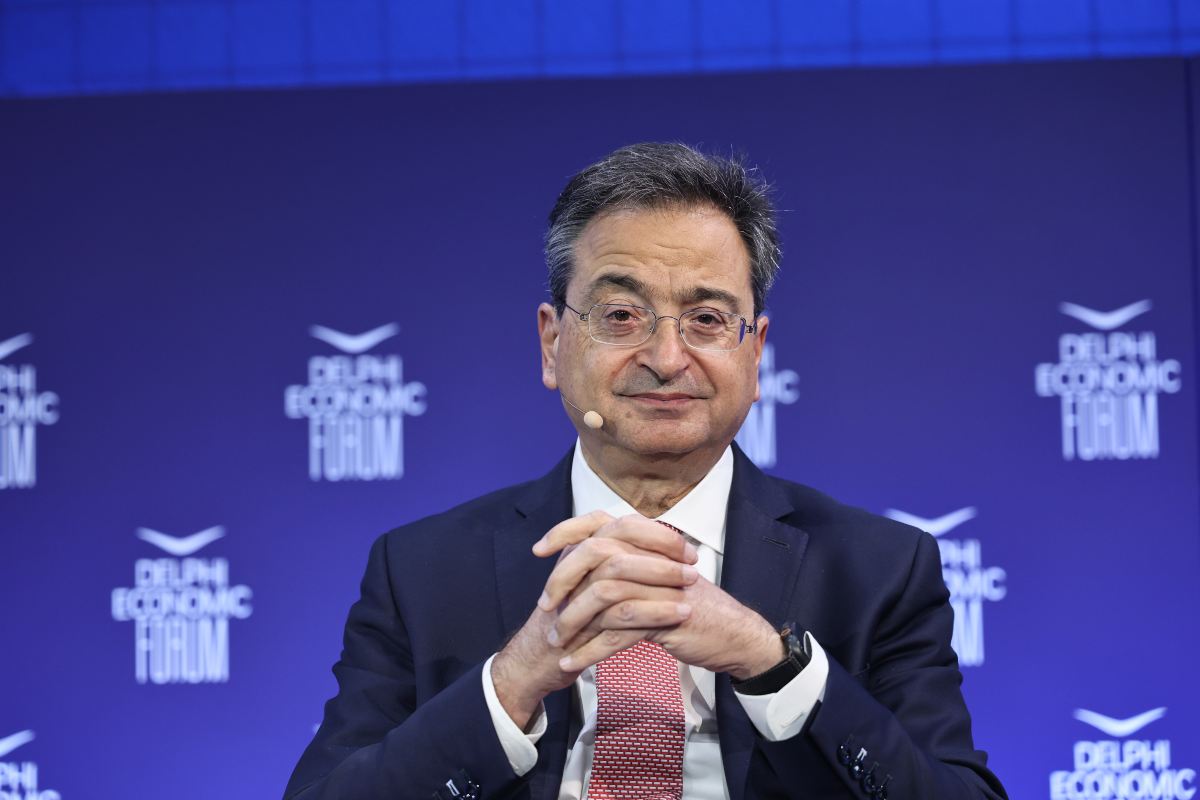
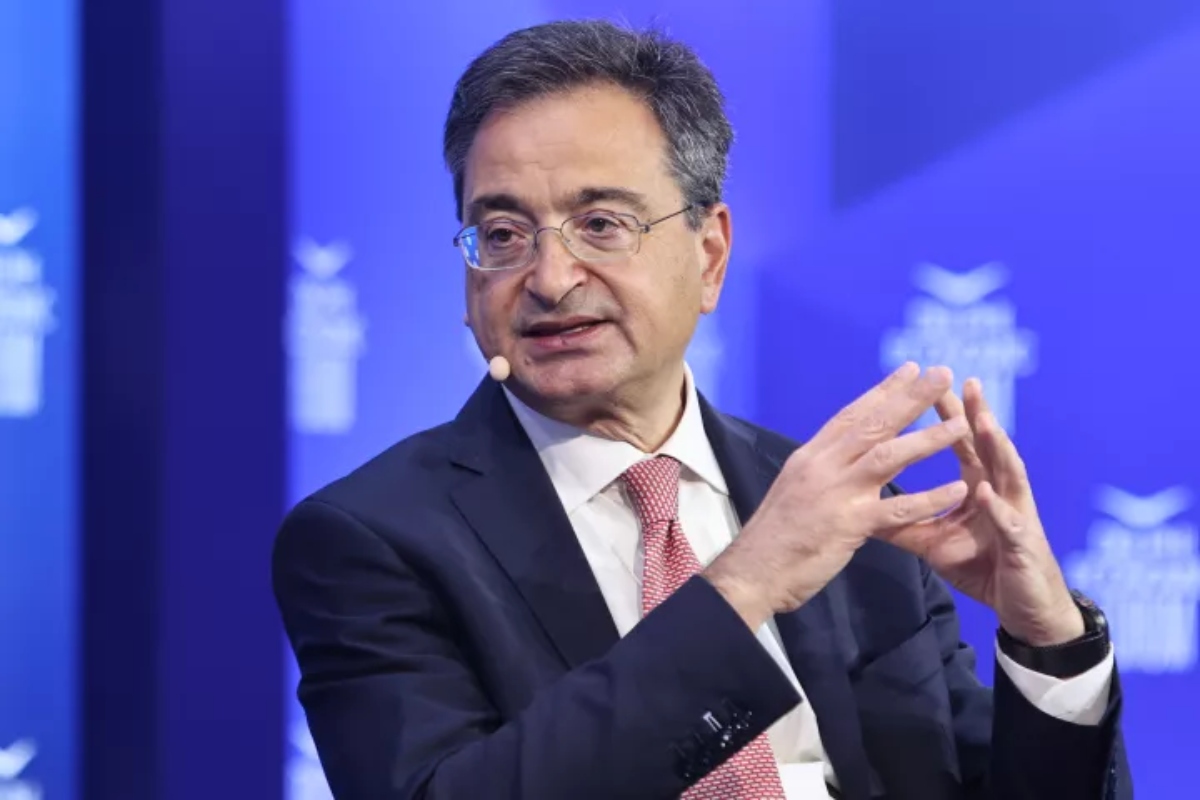
Eurobank CEO Fokion Karavias has warned of a significant loss of investment momentum under Greece’s Recovery and Resilience Facility (RRF), estimating that projects worth €6–8 billion are ultimately failing to be included in the program’s loan financing pillar.
Speaking at the “Circle of Ideas” forum, Karavias stressed that the main issue lies in insufficient coordination between the state, banks, and the business sector, resulting in a large number of mature investment plans being left outside the RRF financing framework.
Billions in investment projects excluded
According to his assessment, the scale of the missed investment opportunity includes:
- €3–4 billion in RRF-related bank loans,
- while the total affected investment pipeline reaches €6–8 billion.
Karavias noted that part of these projects may still be financed through alternative channels such as the banking system or the Hellenic Development Bank, but a portion is likely to remain unimplemented.
He also pointed out that around €2 billion has already been redirected to the Development Bank, which serves as a complementary financing channel, primarily for SMEs.
“Overall positive experience, but coordination failures”
Despite the concerns, the Eurobank CEO described the Recovery Fund as overall a positive policy experience, clarifying that the main issue does not lie in the design of the program but in its operational implementation and coordination mechanisms.
He added that the full extent of the financing gap became apparent only recently, as strong demand and tight deadlines exposed structural limits in available funding capacity.
Inflation, interest rates, and geopolitical risks
Karavias also issued broader macroeconomic warnings, noting that:
- a potential rise in oil prices above $100 per barrel could intensify inflationary pressures,
- geopolitical tensions remain a key source of global economic uncertainty.
Within this context, he estimated that:
- interest rates could move toward the 3% level,
- while Greece’s growth rate may settle below 2%, without a sharp slowdown.
He also highlighted that Europe continues to show hesitation toward deeper fiscal and economic integration, which limits long-term growth potential.
Banking sector and financing conditions
Referring to the banking system, Karavias stressed that criticism of the sector should be assessed carefully, pointing to issues such as non-performing loans and access to credit for households and businesses.
However, he added that Greek banks do not materially deviate from the European average in terms of interest margins and returns.
The broader challenge of the Recovery Fund
Karavias’ remarks add to a growing body of concerns from both the banking and business sectors, suggesting that while the Recovery Fund has acted as a powerful investment catalyst, its final impact will depend on whether coordination bottlenecks and implementation delays are effectively addressed.
The central question now is whether the available investment pipeline will be fully transformed into real projects on the ground—or whether a significant share will be lost in transition from planning to execution.
Διαβάστε όλες τις τελευταίες Ειδήσεις από την Ελλάδα και τον Κόσμο