Recovery Fund Faces €4 Billion Financing Gap as Investment Projects Risk Exclusion
 ΧΡΟΝΟΣ ΑΝΑΓΝΩΣΗΣ 4 '
Πηγή Φωτογραφίας: eurokinissi//Recovery Fund Faces €4 Billion Financing Gap as Investment Projects Risk Exclusion



Greece’s Recovery and Resilience Facility (RRF) loan program is facing mounting pressure, as a sharp increase in demand combined with the reallocation of available resources has created a financing gap estimated by banking sources at between €4 billion and €4.5 billion.
As a result, a significant number of investment projects that have already received preliminary bank approval risk being left outside the Recovery Fund financing framework due to insufficient available resources.
According to banking executives, systemic banks were informed in recent days that the latest tranche of Recovery Fund resources had effectively been exhausted, with approximately €300 million allocated to each major bank during the last round of disbursements.
Accelerated deadlines triggered a rush for funding
A key factor behind the sudden increase in demand was the Ministry of Finance’s decision to accelerate the timetable for signing RRF loan agreements.
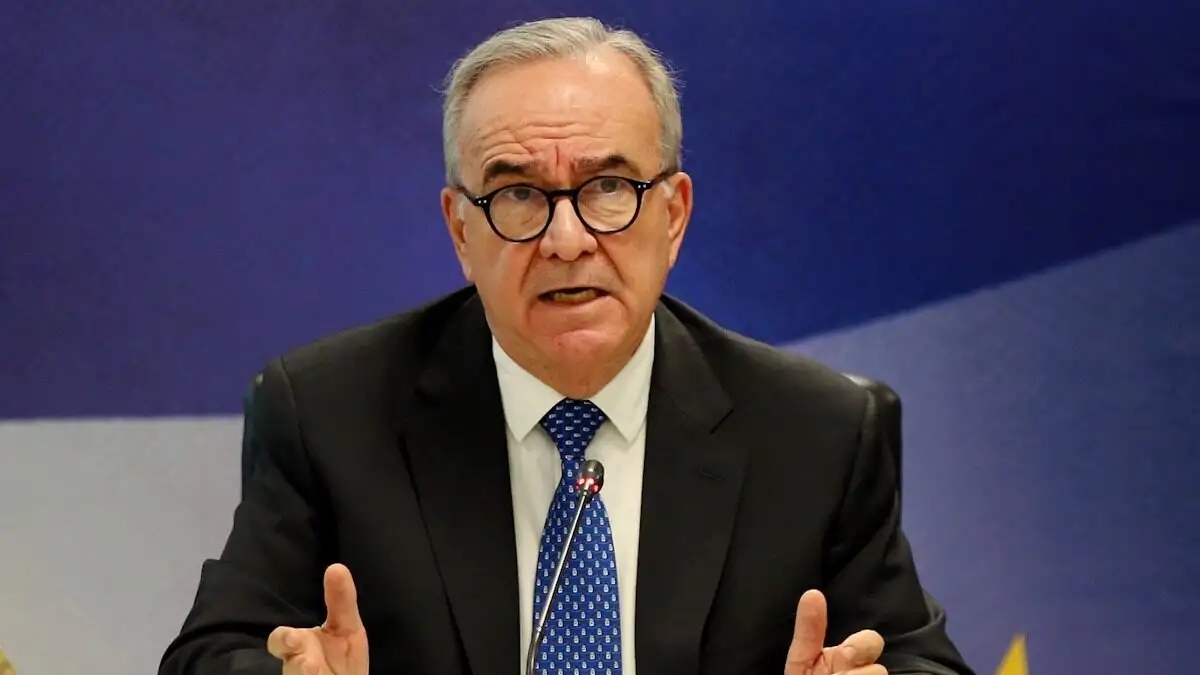
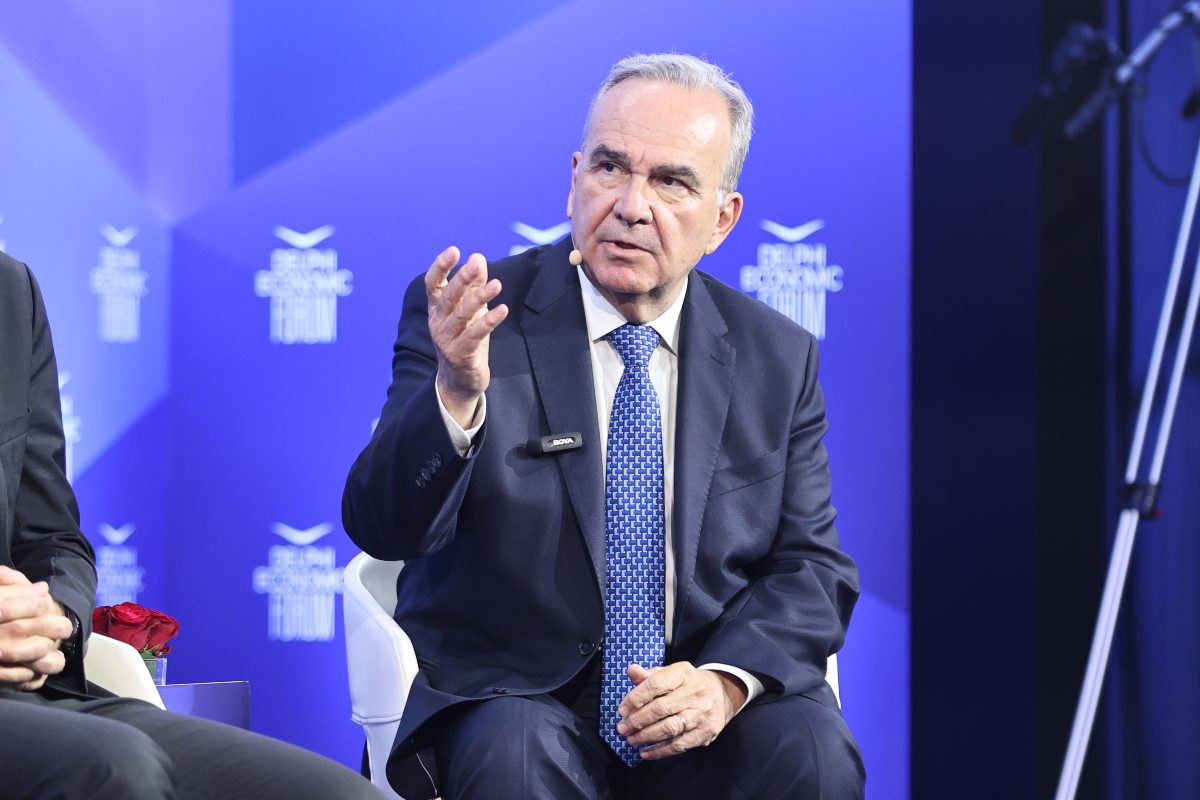
Deputy Finance Minister Nikos Papathanasis announced that May 29, 2026 would serve as the final deadline for concluding RRF-backed loan contracts, significantly earlier than market participants had initially anticipated.
The announcement triggered a wave of applications from businesses seeking to secure access to low-cost financing before the program closes.
Banking sector estimates indicate that the pipeline of approved or near-approved RRF loans surged from approximately €3 billion to nearly €6 billion within a relatively short period.
Reallocation of resources toward other programs
At the same time, a substantial portion of available Recovery Fund resources was redirected toward other financing tools, mainly through the Hellenic Development Bank (HDB), in order to support small and medium-sized enterprises as well as housing-related initiatives such as the “My Home” program.
According to banking estimates, roughly €2.8–€2.9 billion out of the approximately €5 billion available at the end of 2025 was transferred to alternative funding schemes.
This significantly reduced the liquidity available for large-scale RRF investment lending precisely when demand from the market accelerated.
Approved investment projects left in limbo
Market sources indicate that investment projects in sectors such as:
- energy,
- tourism,
- real estate,
- logistics,
- and manufacturing
have already passed internal bank approval processes, while awaiting final state-level validation and funding confirmation.
Many of these applications were submitted within the revised deadlines, yet funding availability appears insufficient following the transfer of resources to other programs.
The situation has generated growing concern within both the banking sector and the broader business community.
The financing structure of Recovery Fund projects is particularly attractive because of its low borrowing costs:
- 20% equity participation by the investor,
- 50% financing through the RRF,
- 30% commercial bank lending.
The RRF component is offered at interest rates that can fall close to 1%, substantially improving project viability and investment returns.
Without access to the Recovery Fund portion, several projects may become financially difficult to implement under current market conditions.
Discussions underway over possible solutions
Against this backdrop, consultations are ongoing between banks and the Ministry of Finance in an effort to identify possible technical or policy solutions that could prevent mature investment projects from losing access to financing.
Banking executives warn that the management of the remaining Recovery Fund resources will be critical for maintaining investment momentum in the Greek economy over the coming months.
The government is now expected to evaluate options including:
- possible reallocations of resources,
- additional funding mechanisms,
- or targeted interventions aimed at covering part of the emerging financing gap.
The coming weeks are likely to determine whether the current bottleneck remains temporary or evolves into a broader constraint on investment activity tied to Greece’s Recovery Fund program.
Διαβάστε όλες τις τελευταίες Ειδήσεις από την Ελλάδα και τον Κόσμο