“Legal Shock in Ankara: Erdogan Moves to Expand 200-NM EEZ Claims in Aegean & E. Med”
 ΧΡΟΝΟΣ ΑΝΑΓΝΩΣΗΣ 3 '
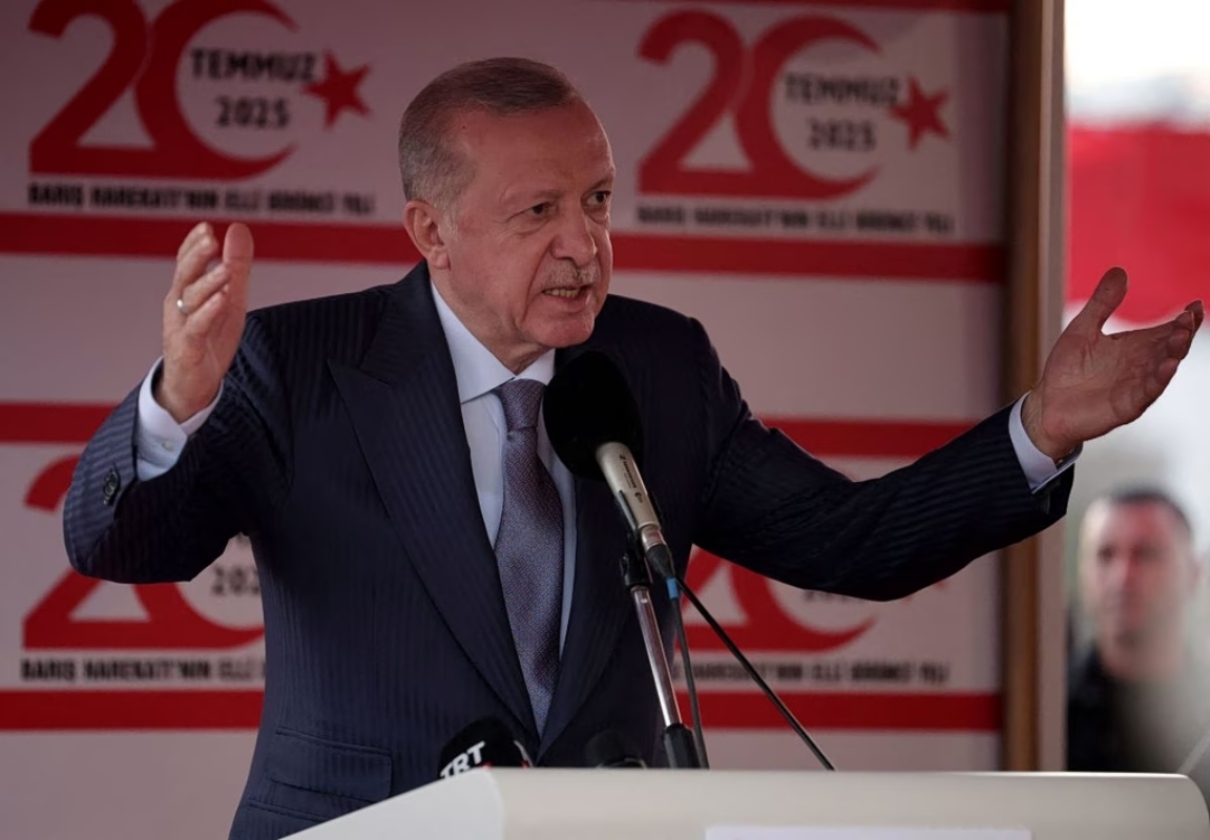
Πηγή Φωτογραφίας: AP Photo//“Legal Shock in Ankara: Erdogan Moves to Expand 200-NM EEZ Claims in Aegean & E. Med”



Geopolitical escalation in the Eastern Mediterranean: Turkey’s new EEZ legislation
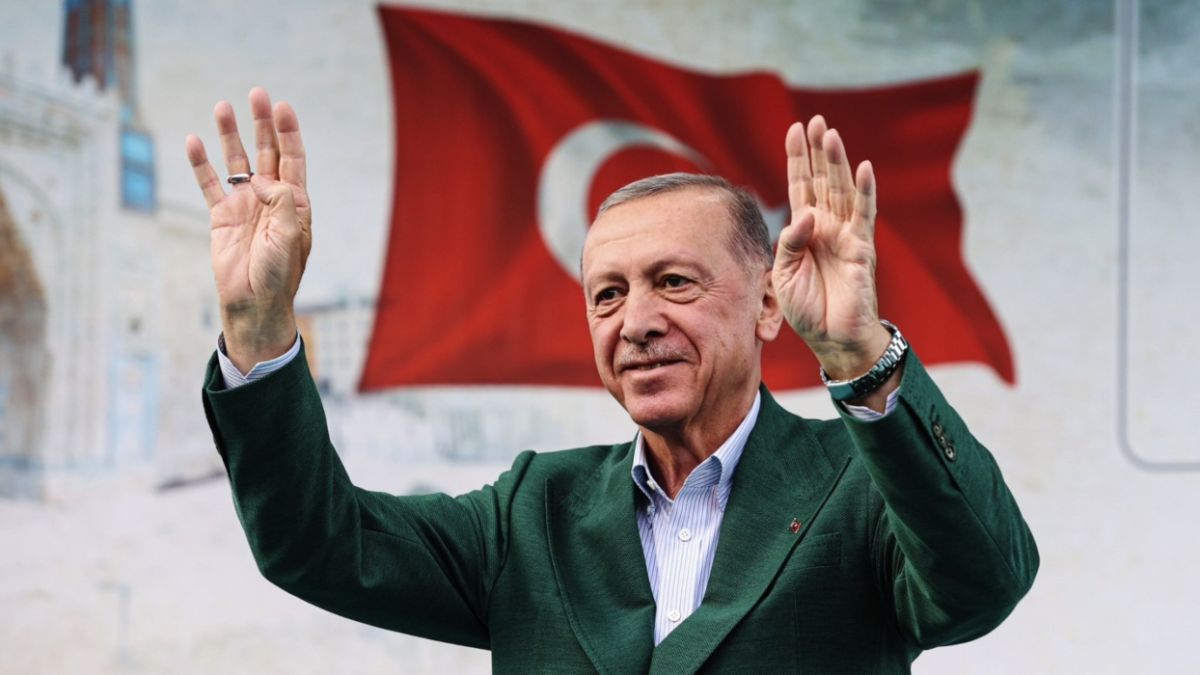
Tensions in the Eastern Mediterranean are once again rising following reports by Bloomberg that the ruling party of Turkish President Recep Tayyip Erdoğan is preparing legislation that would authorize the government to declare and manage an Exclusive Economic Zone (EEZ) extending up to 200 nautical miles.
The proposed framework reportedly covers contested maritime areas in both the Aegean Sea and the Eastern Mediterranean, directly affecting long-standing disputes involving Greece and Cyprus.
“Maritime authority” and contested waters
According to the draft legislation described in the report, Ankara would gain expanded powers to:
- Assert rights over fishing, drilling, and hydrocarbon exploration
- Establish marine protected zones
- Operate within disputed maritime areas
“The move is aimed at strengthening Turkey’s strategic presence in energy-rich waters,” sources familiar with the matter told Bloomberg.
Competing legal interpretations of maritime law
Under the United Nations Convention on the Law of the Sea (UNCLOS), coastal states may claim an EEZ of up to 200 nautical miles. However, such claims require delimitation agreements where maritime zones overlap.
Turkey has not ratified UNCLOS and maintains a different interpretation, arguing that:
- Islands should not generate full maritime zones in contested regions
- Maritime boundaries should primarily be based on mainland coastlines
- Island states have limited jurisdiction beyond territorial waters (up to 12 nautical miles)
This position directly conflicts with the legal framework supported by Greece and Cyprus, contributing to ongoing diplomatic deadlock.
Energy competition in the Eastern Mediterranean
The region has become a major geopolitical hotspot due to potential offshore natural gas reserves. Ankara’s move is widely seen as an attempt to assert greater influence over exploration rights, as Greece and Cyprus continue energy cooperation with international partners.
“Turkey seeks to ensure it cannot be sidelined in the region’s energy architecture,” the report notes.
International reactions and diplomatic pressure
The United States has repeatedly urged dialogue between all parties to prevent escalation, while the European Union has previously signaled the possibility of sanctions in response to unilateral drilling activities in disputed waters.
Despite diplomatic efforts, the situation remains fragile, with analysts warning that legislative action could further intensify regional tensions.
If enacted, the proposed framework could significantly reshape maritime power dynamics in the Eastern Mediterranean, escalating geopolitical friction between Recep Tayyip Erdoğan, Greece, and Cyprus.
Source: pagenews.gr
Διαβάστε όλες τις τελευταίες Ειδήσεις από την Ελλάδα και τον Κόσμο