REAL ESTATE INFERNO: Homes Turn to Gold as Rents Crush the Middle Class
 ΧΡΟΝΟΣ ΑΝΑΓΝΩΣΗΣ 6 '
Πηγή Φωτογραφίας: freepik//REAL ESTATE INFERNO: Homes Turn to Gold as Rents Crush the Middle Class



The Greek real estate market has officially entered a new era. And this time, it is not just another “growth cycle.” It is a full-scale transformation of the housing economy, where investment money, short-term rentals, state incentives and aggressive renovation programs are reshaping the country’s property landscape.
For property owners, it looks like a golden age.
For tenants and first-time buyers, it increasingly feels like a financial nightmare.
Across Athens, Thessaloniki, the Cyclades and even traditionally affordable districts, prices are climbing at dizzying speed. Real estate has once again become one of the strongest pillars of the Greek economy — but behind the glossy investment headlines lies a growing social pressure cooker.
“People are no longer buying square meters alone. They are buying energy security, lifestyle and long-term investment durability,” says a major developer active in Athens’ southern suburbs.
And just like that, the old mentality of “buy whatever is cheapest” is disappearing.
Prices explode — and the market shows no signs of slowing
The numbers reveal a market operating at full throttle.
Asking prices for residential sales rose 7.9% nationwide over the past year, while rents increased by 4.2%. Thessaloniki is now outperforming Athens, recording a 9.7% annual rise in housing prices compared to 6.5% in the capital.
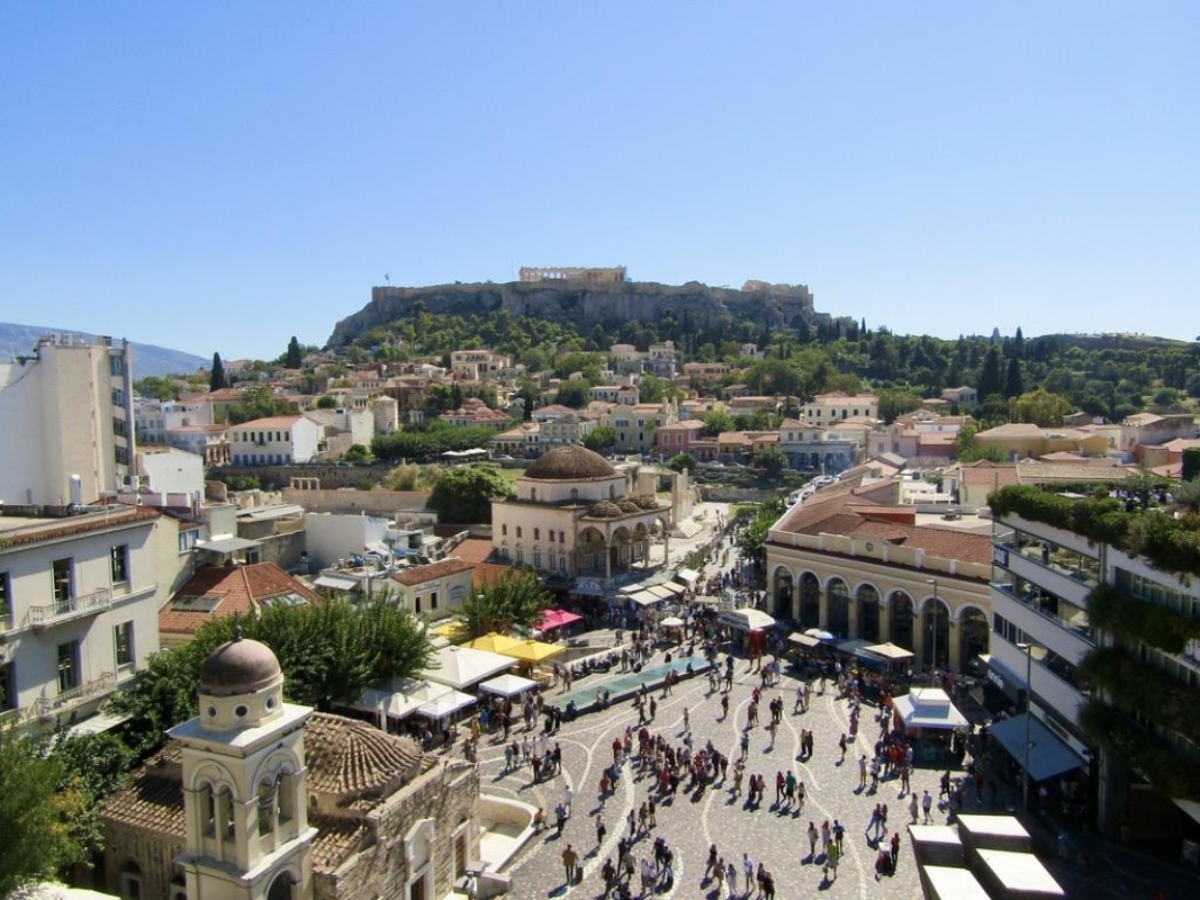
In Athens’ southern suburbs, the situation increasingly resembles a Mediterranean luxury zone.
Vouliagmeni remains the most expensive residential area in Greece, with average asking prices reaching €7,333 per square meter. Voula, Elliniko and Glyfada continue to follow closely, driven by foreign capital, high-end tourism and premium residential developments.
Yet the most revealing story is not unfolding in the luxury districts.
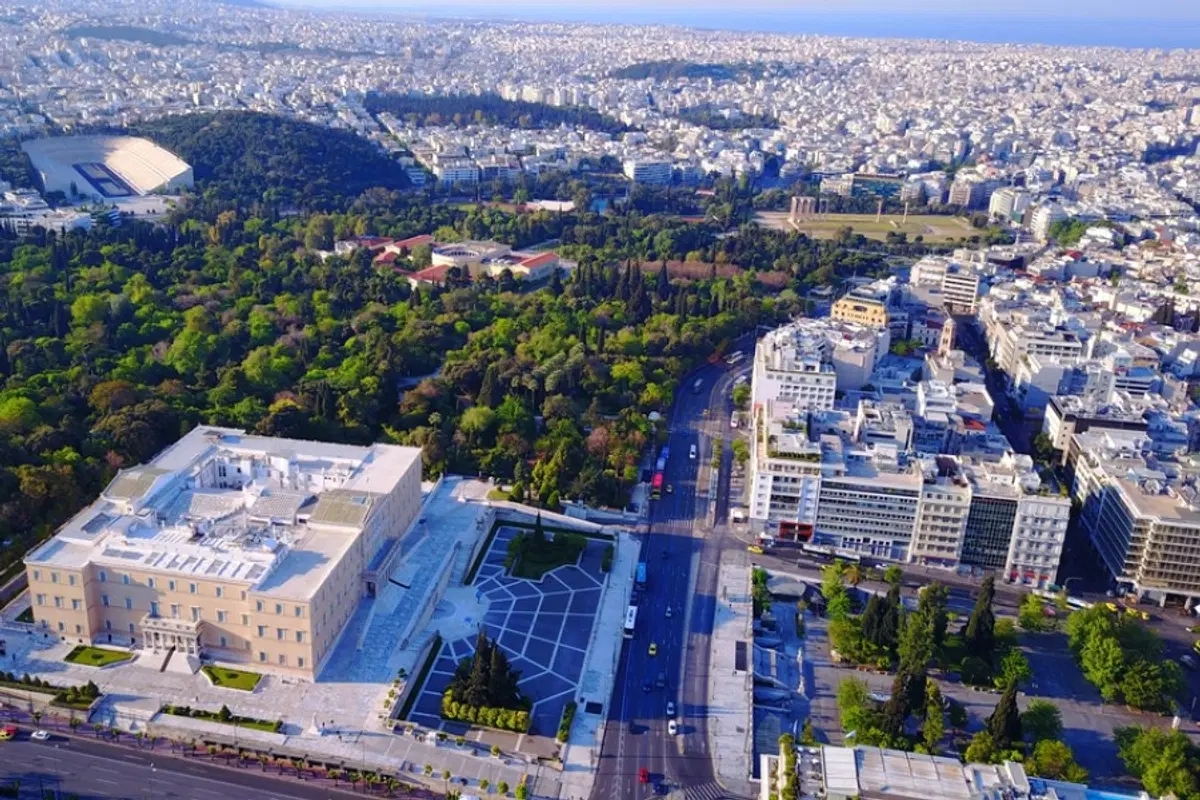
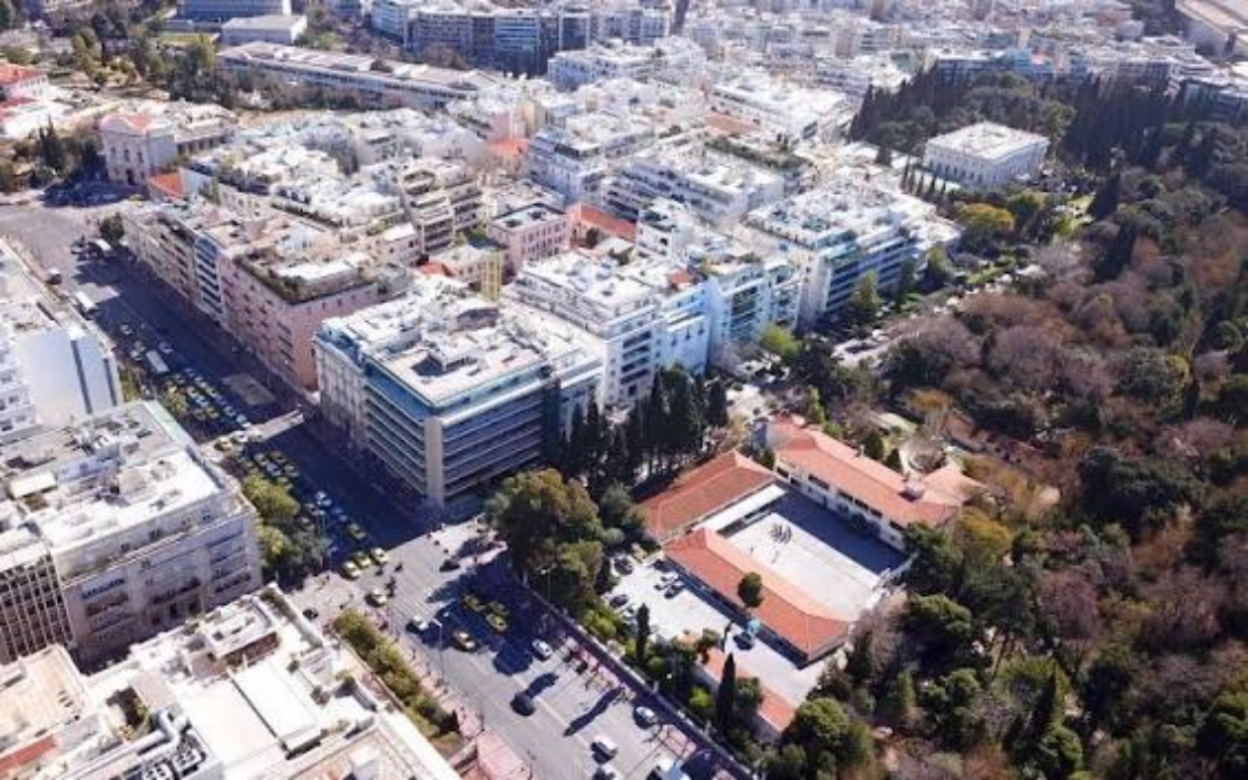
It is happening in neighborhoods like Ymittos, Tavros, Dafni and Drosia — areas once considered affordable. Investors, small funds and private buyers are rushing to purchase aging apartments, renovate them aggressively and return them to the market at dramatically higher prices.
“Everyone is chasing future capital gains now. Middle-income districts have become the new battlefield,” admits a prominent Athens real estate broker.
The new rule of the game: “New is not enough — it has to be premium”
The market is changing character. And one word dominates the conversation: quality.
Energy efficiency, bioclimatic architecture, smart systems, thermal insulation and modern infrastructure are no longer viewed as luxury features. They are becoming survival requirements in the new property economy.
Developers investing in premium materials and advanced energy systems are seeing higher construction costs — but also dramatically higher resale values. In many cases, the additional investment is fully absorbed by the market through rising prices.
And this is where the deeper shift becomes clear.
Europe is tightening energy-efficiency regulations. Energy costs remain volatile. Older housing stock is rapidly losing competitiveness. As a result, renovated and energy-efficient homes are emerging as the safest long-term assets.
“Real estate is once again becoming a safe haven — but only if it is properly upgraded and energy-protected,” says a banking executive involved in housing finance.
The government pours fuel on the fire
At the same time, the Greek government is injecting massive liquidity into the market.
Programs such as “Upgrade My Home,” “Exoikonomo 2025” and “Renovate and Rent” have already triggered a wave of renovation activity, while a new €485 million EU-funded package is preparing to subsidize upgrades covering up to 90% of eligible renovation costs.
But behind the public announcements lies a larger political concern.
Government officials increasingly recognize that the housing crisis is evolving into a major social and electoral issue. Surging rents are squeezing younger generations, families and lower-income households, while the supply of available homes continues shrinking.
That is why housing policy is now directly tied to demographic strategy.
The pilot relocation program in Evros — offering €10,000 incentives for permanent settlement — alongside gradual property tax exemptions in small villages reflects a broader state strategy: redirect population growth away from overcrowded urban centers.
One senior government source puts it bluntly:
“If new housing reserves are not created outside the major cities, urban living will become unaffordable for ordinary Greeks.”
Airbnb remains the hidden engine behind the boom
And no serious discussion about Greek real estate can ignore the dominant force of the past decade: short-term rentals.
Airbnb changed everything.
Thousands of abandoned or underused apartments returned to the market through private renovation investments. Entire neighborhoods were transformed. New capital flowed into construction and refurbishment without relying on traditional bank financing.
But the side effects are now impossible to ignore.
Fewer homes available for long-term rent. Exploding prices. Mounting pressure on local residents. Rapid social transformation in key districts of Athens and Thessaloniki.
Today, short-term rentals are no longer viewed as casual side income. They have evolved into a fully professionalized industry, involving property management firms, investment portfolios and organized real estate operators.
And that transformation is reshaping the entire housing ecosystem.
The new housing reality: winners and losers
Greek real estate enters 2026 stronger than ever — but also far more unforgiving.
Property owners are watching their assets gain enormous value. Investors continue pouring money into Greek housing. Renovations have become one of the most profitable investment plays in the economy.
But at the same time, access to affordable housing is becoming increasingly difficult for the middle class.
The central question is no longer whether prices will continue rising.
The real question is who will still be able to afford living in this new Greece.
Διαβάστε όλες τις τελευταίες Ειδήσεις από την Ελλάδα και τον Κόσμο