Adonis Georgiadis: Greece’s National Health System Is Changing, Investing and Expanding
 ΧΡΟΝΟΣ ΑΝΑΓΝΩΣΗΣ 6 '
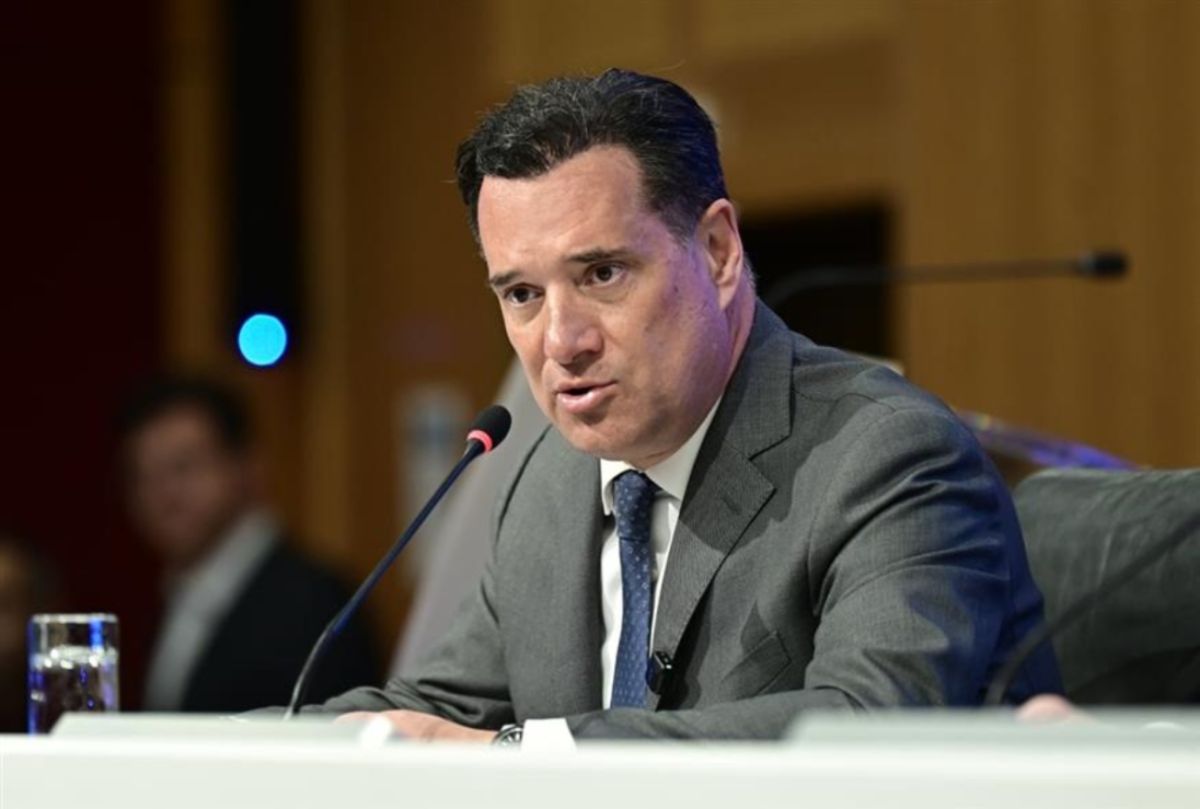
Πηγή Φωτογραφίας: eurokinissi//Adonis Georgiadis: Greece’s National Health System Is Changing, Investing and Expanding



GREEK HEALTHCARE IN 2026
- 1,139 new physician positions in the National Health System
- 80%+ recruitment coverage rates
- 95% of Health Centers undergoing renovation
- 150+ hospitals and healthcare facilities being upgraded
- New Oncology Center at Patras University Hospital
- Emergency Department capacity doubled in Rio
- Target: elimination of hallway beds by 2027
- €16 billion in pharmaceutical-sector investments
At a time when public debate about healthcare is often dominated by reports of shortages, waiting times and operational challenges, Greek Health Minister Adonis Georgiadis has chosen to respond with data, infrastructure projects and measurable outcomes.
Speaking in a radio interview on Tuesday, Georgiadis acknowledged that Greece’s National Health System (ESY) still faces significant challenges. However, he argued that the image presented by parts of the opposition fails to reflect the broader reality of ongoing reforms and investments.
“The National Health System is not yet where we want it to be. But it is significantly better than it was, and it is improving every day,” the minister said.
The Numbers Behind the Reform Agenda
According to the Health Ministry, the transformation of the healthcare system can be measured through a series of concrete indicators:
1,139 new permanent physician positions
More than 80% response rates in recent recruitment rounds
95% of Greece’s Health Centers undergoing renovation or modernization
More than 150 hospitals and healthcare facilities being upgraded
Nationwide home delivery of high-cost medicines
Expansion of digital health services and the Personal Doctor program
The government argues that these figures demonstrate a healthcare system in active transition rather than one in decline.
The Nursing Workforce Challenge
At the same time, Georgiadis did not avoid discussing the system’s weaknesses.
He acknowledged that nursing shortages remain one of the most pressing challenges facing Greek healthcare.
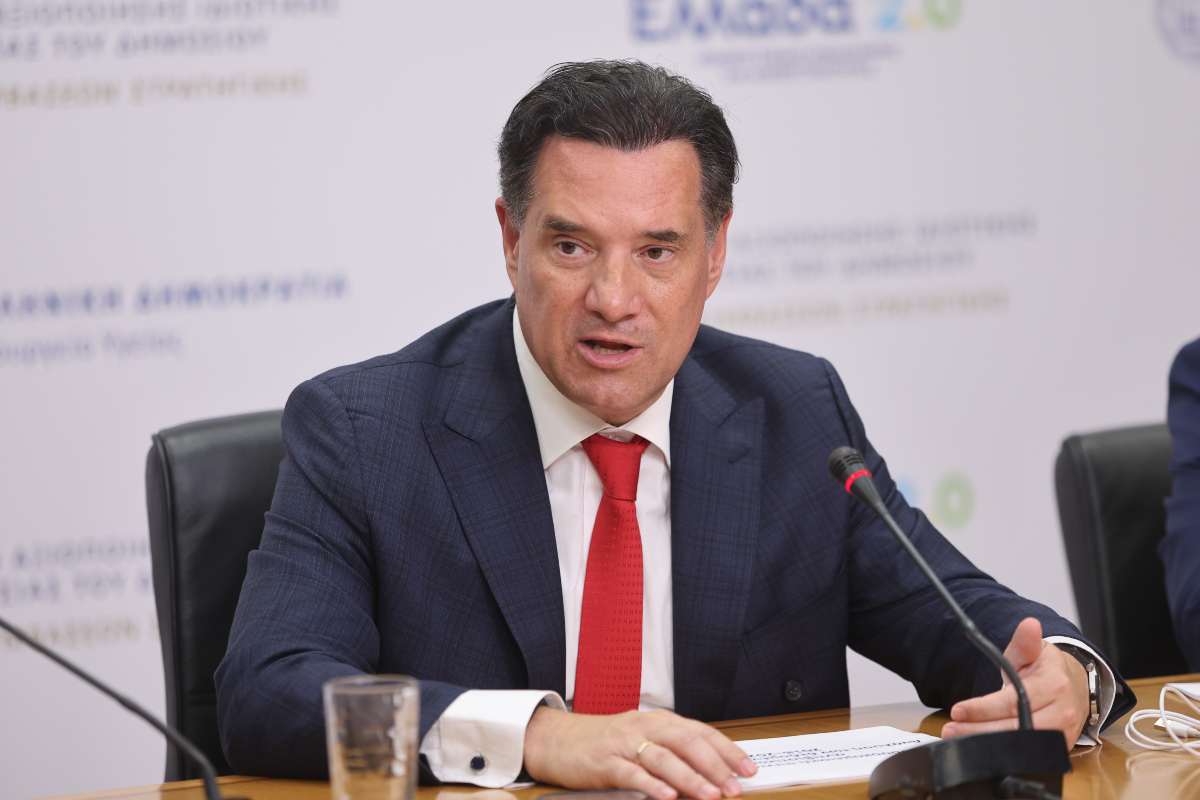
“We have made significant progress, but we still have a long way to go, especially regarding nursing staff,” he said, announcing further initiatives aimed at strengthening the workforce.
Karamanandaneio Hospital: Responding to Critics
A key pillar of the minister’s argument concerns large-scale infrastructure projects currently underway across the country.
During a recent visit to Patras, Georgiadis highlighted the modernization of the historic Karamanandaneio Children’s Hospital, which had previously been the subject of criticism and speculation regarding its future.
“Some claimed we would shut down Karamanandaneio. Instead, we are making it larger, more modern and more functional than ever before,” he declared.
According to the ministry, the project aims to expand pediatric services and improve healthcare access for children across Western Greece.
Patras University Hospital: Ending the Era of Hallway Beds
Even more ambitious plans have been announced for the University Hospital of Patras (Rio).
The project includes:
A new Oncology Center
Doubling the Emergency Department capacity
Major infrastructure upgrades
Expanded specialized medical services
Georgiadis also set a highly symbolic target:
“Our goal is to put an end to hallway beds by 2027.”
The issue of overcrowding and the use of temporary beds in hospital corridors has long been one of the most visible weaknesses of Greece’s public healthcare system.
Strengthening Cancer Care
The minister also highlighted recent developments at Agios Savvas, Greece’s leading oncology hospital.
According to ministry data:
- Major hospital wings have been renovated.
- Radiotherapy capacity has increased.
- Waiting times have been reduced.
- Oncology services have been expanded.
The government points to the hospital’s certification as a center of excellence as evidence of the quality improvements achieved in recent years.
Pharmaceutical Industry: A New Growth Engine
Beyond hospitals, Georgiadis seeks to connect healthcare policy with economic development.
The government estimates that the pharmaceutical sector has become one of the most dynamic areas of investment in the Greek economy.
€16 billion in pharmaceutical investments
Thousands of new jobs
New production facilities
Expanded research and innovation activities
Officials argue that Greece is gradually evolving into a regional hub for pharmaceutical manufacturing and biomedical research.
“Greece is no longer merely a pharmaceutical market. It is becoming a country of production, research and investment,” Georgiadis said.
Addressing Complaints While Pursuing Reform
During the interview, the minister was asked about specific complaints from citizens regarding conditions in public hospitals.
Rather than dismissing the reports, he pledged that each case would be examined.
This approach reflects the ministry’s broader strategy: acknowledging shortcomings where they exist while rejecting what it sees as blanket condemnation of the entire healthcare system.
The Political Challenge Ahead
For Georgiadis, the debate over healthcare is no longer solely about identifying problems.
It is increasingly about whether citizens can see tangible improvements in the services they receive.
Recruitment drives, hospital renovations, new healthcare units, digital services, home-based care and large-scale investments form the core of the government’s argument that Greece’s healthcare system is being fundamentally transformed.
Whether these reforms ultimately lead to a lasting cultural and structural change within the National Health System remains one of the most important political and policy challenges of the coming years.
Source: pagenews.gr
Διαβάστε όλες τις τελευταίες Ειδήσεις από την Ελλάδα και τον Κόσμο