US$140 Million for 14,000 Athletes: The International Olympic Committee’s New Economic Doctrine
 ΧΡΟΝΟΣ ΑΝΑΓΝΩΣΗΣ 5 '
Πηγή Φωτογραφίας: US$140 Million for 14,000 Athletes: The International Olympic Committee’s New Economic Doctrine



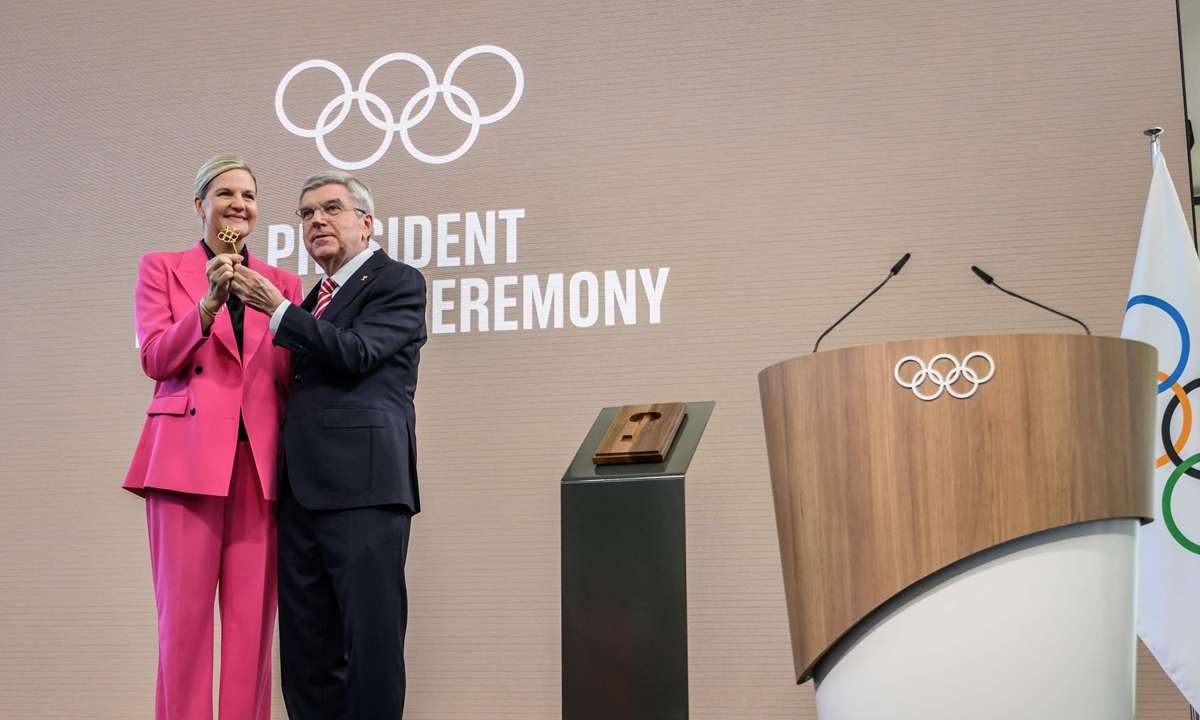
For the first time since the revival of the modern Olympic Games in 1896, the International Olympic Committee (IOC) is departing from one of the Olympic Movement’s longest-standing financial traditions by introducing direct financial support for every athlete who qualifies for the Olympic Games.
Approved during the 146th IOC Session in Lausanne, the initiative provides US$10,000 to every participating athlete, regardless of whether they win a medal or reach the podium. The decision marks a significant institutional shift in Olympic financial philosophy, recognizing that qualifying for the world’s most prestigious sporting event is itself an achievement requiring years of dedication, sacrifice, and considerable personal investment.
From Indirect Funding to Direct Athlete Support
For decades, the IOC has distributed its financial resources primarily through National Olympic Committees (NOCs), International Federations (IFs), and Organising Committees for the Olympic Games.
The new initiative represents a fundamental policy shift by directing part of the Olympic Movement’s revenues straight to the athletes themselves.
The programme forms part of the IOC’s long-term “Fit for the Future” strategy, designed to modernize Olympic governance and adapt the organization to the evolving social and economic realities of international sport.
Importantly, the payment is neither prize money nor a performance bonus. It is intended solely as recognition of the years of preparation required to reach the Olympic Games, irrespective of final results or medal success.
A US$140 Million Fund for Every Olympic Edition
To finance the programme, the IOC has established a dedicated US$140 million fund for each edition of the Olympic Games.
Based on current projections, approximately 14,000 athletes will qualify for the grant at every Olympic Games, making this the largest direct financial initiative ever undertaken by the IOC in its 130-year history.
Payments will be distributed through National Olympic Committees, while the IOC has stressed that the programme will not reduce existing funding allocated to NOCs, International Federations, or Olympic Solidarity programmes.
In addition, if an eligible athlete chooses not to claim the grant, the corresponding funds will remain within the programme to benefit future generations of Olympians.
Eligibility Requirements
The programme will make its debut at the Milano-Cortina 2026 Winter Olympic Games.
Every athlete holding official Olympic accreditation will be eligible, with the exception of competitors participating in the Youth Olympic Games.
However, eligibility is subject to strict integrity standards. Athletes must have no anti-doping violations and must comply fully with the Olympic Charter, the IOC Code of Ethics, and all Olympic participation regulations.
In this way, financial support is linked not only to participation but also to the integrity and credibility of the Olympic Movement itself.
Responding to Growing Pressure for Fairer Revenue Distribution
The IOC’s decision comes against a backdrop of mounting international pressure to provide athletes with a fairer share of the enormous revenues generated by the Olympic Games.
Broadcasting rights, global sponsorships, and commercial partnerships generate billions of dollars during each Olympic cycle, prompting increasing calls for the athletes—the central protagonists of the Games—to receive more direct economic recognition.
The debate intensified after World Athletics announced prize money for gold medalists at the Paris 2024 Olympic Games, triggering widespread discussion over whether the traditional Olympic financial model remains compatible with the realities of modern elite sport.
Rather than introducing medal-based prize money, the IOC has chosen a different path: rewarding participation itself while preserving the universal spirit of the Olympic Games and avoiding their transformation into a prize-money competition.
A Strategic Shift Under New Leadership
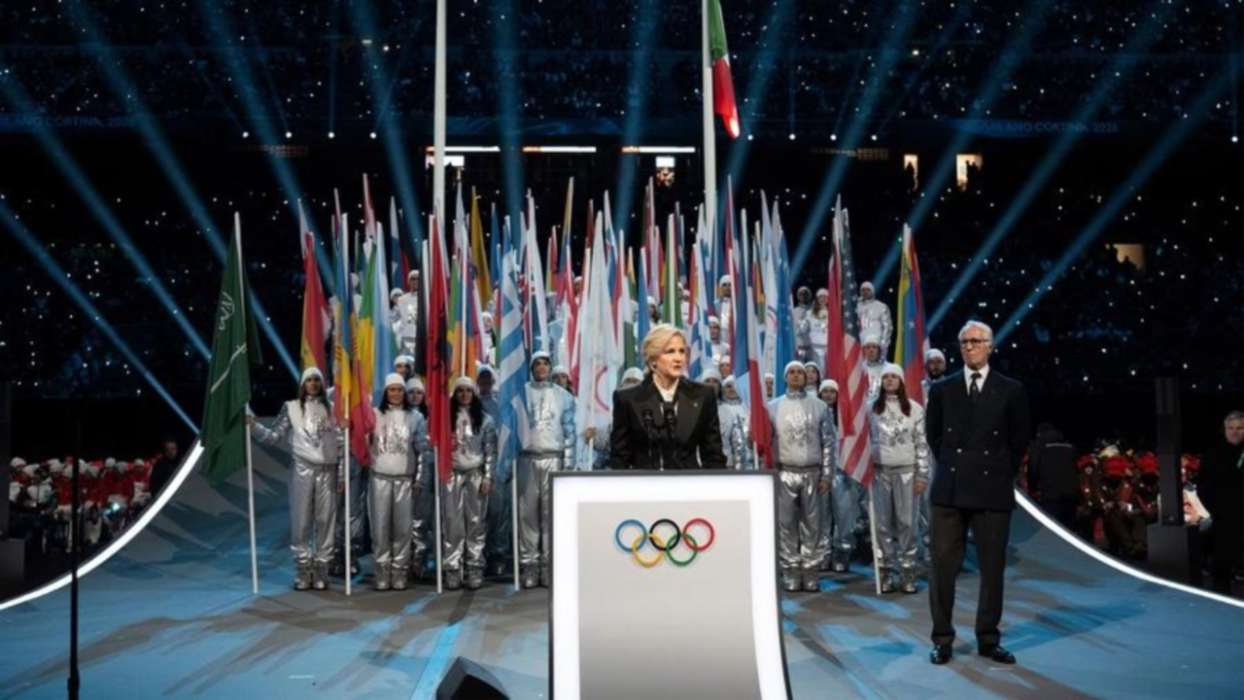
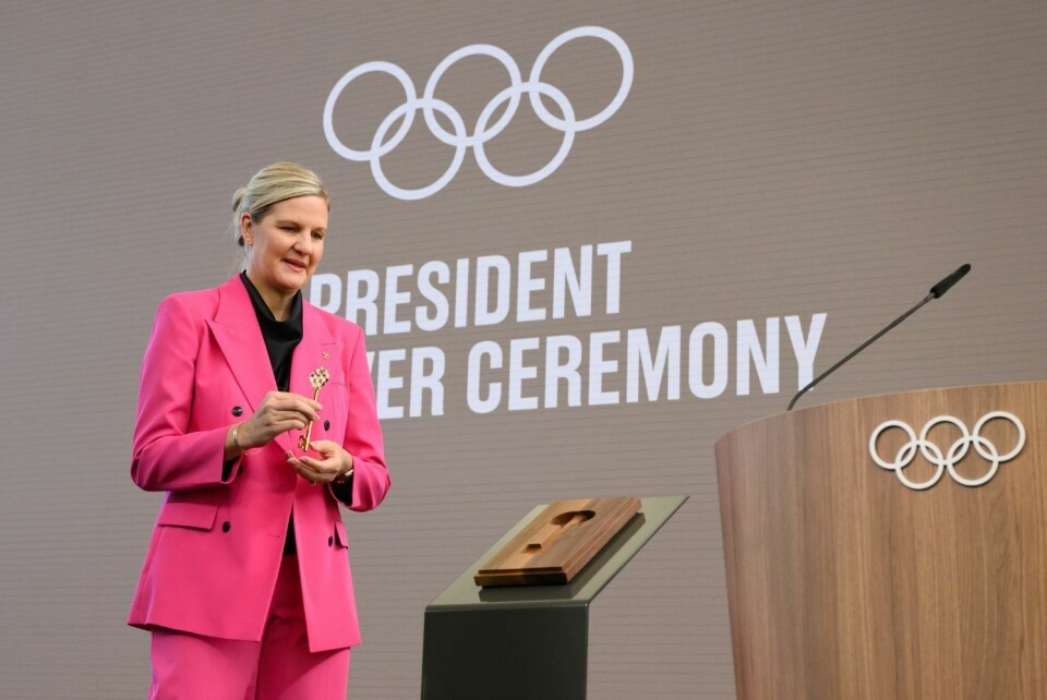
New IOC President Kirsty Coventry has identified stronger direct engagement with athletes as one of her administration’s strategic priorities, both during and after their sporting careers.
The US$10,000 athlete grant represents the first major implementation of that vision and sends a clear message that the IOC intends to modernize its governance model in response to growing demands for transparency, social responsibility, and a more equitable distribution of Olympic revenues.
Applications for athletes who competed at the Milano-Cortina 2026 Winter Olympics are expected to open later this year, with the first payments scheduled for 2027.
Far from abandoning Olympic ideals, the IOC’s decision reflects an effort to redefine them for the twenty-first century—recognizing that the financial sustainability of athletes has become an essential component of the credibility, legitimacy, and long-term resilience of the Olympic Movement itself.
Διαβάστε όλες τις τελευταίες Ειδήσεις από την Ελλάδα και τον Κόσμο