Deutsche Bank: Greek Banks Emerge as Prime Takeover Targets in Europe’s Next M&A Wave
 ΧΡΟΝΟΣ ΑΝΑΓΝΩΣΗΣ 5 '
Πηγή Φωτογραφίας: pixabay//Deutsche Bank: Greek Banks Emerge as Prime Takeover Targets in Europe’s Next M&A Wave



Greek banks are increasingly moving into the spotlight as Europe’s banking sector enters what analysts believe could become its next major consolidation cycle.
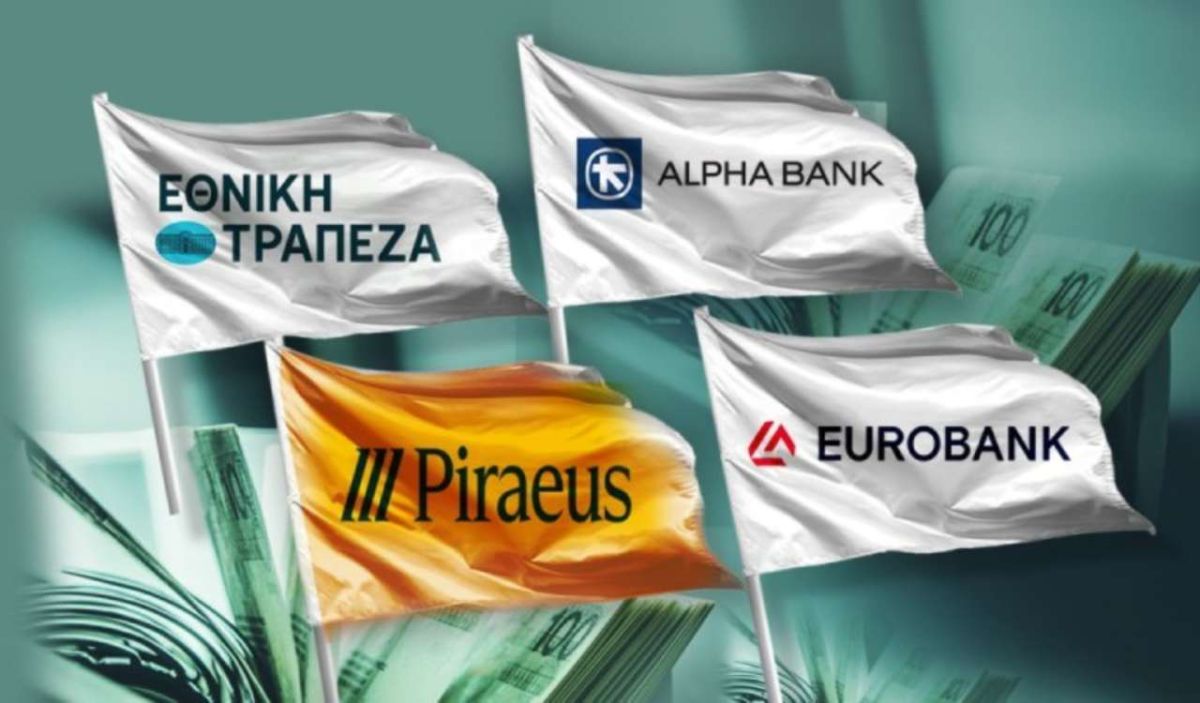
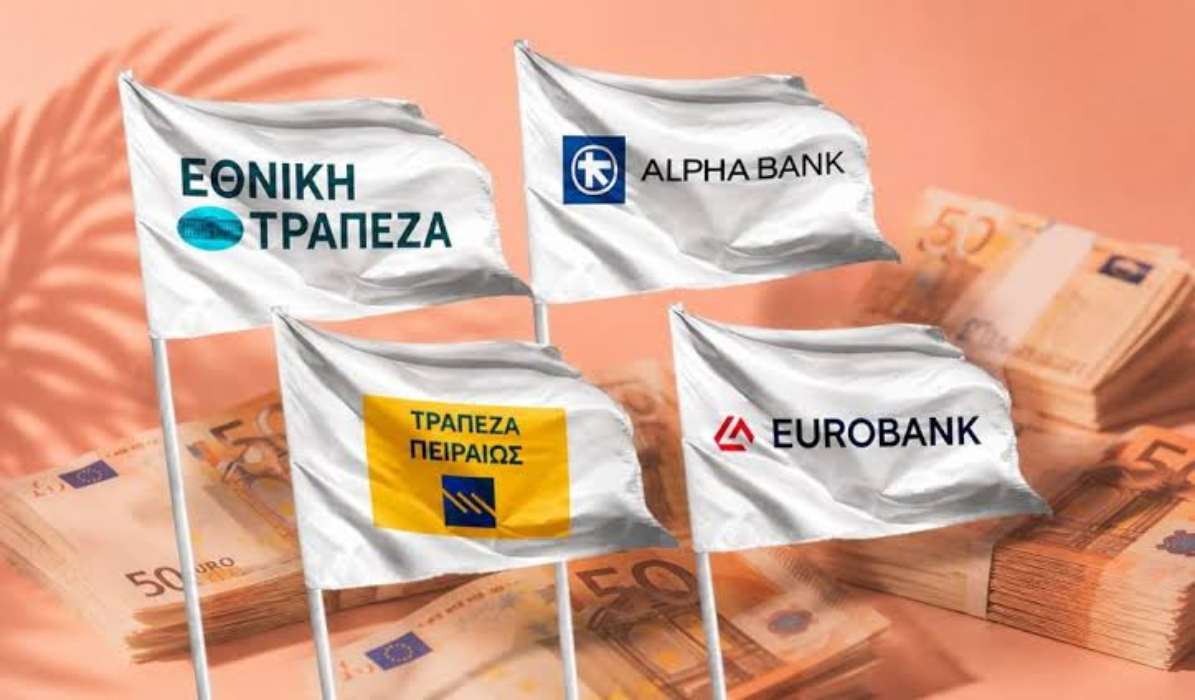
In a new report, Deutsche Bank argues that Eurobank, Piraeus Bank, and, to a lesser extent, the National Bank of Greece (NBG) have become credible acquisition targets for some of Europe’s largest financial institutions.
Alpha Bank, however, is viewed differently following UniCredit’s strategic investment, which has effectively removed it from the list of likely takeover candidates.
Europe’s Banking Consolidation Is Accelerating
According to Deutsche Bank, Europe’s banking sector has undergone a significant re-rating over the past few years, supported by stronger profitability, healthier balance sheets and higher interest rates.
These improved fundamentals are now driving a renewed wave of mergers and acquisitions across the continent.
Although cross-border banking deals continue to face regulatory and political obstacles—particularly due to the incomplete Banking Union and Capital Markets Union—the report argues that the strategic rationale for consolidation has become increasingly compelling.
Greece Becomes a Strategic Banking Market
Deutsche Bank believes Greece has evolved into one of the Eurozone’s most attractive banking markets.
The country’s stronger economic growth, healthier banking sector, robust returns on equity and still-attractive valuations are drawing growing attention from international investors.
The report identifies four potential strategic buyers:
- Erste Bank (Austria)
- KBC Group (Belgium)
- BNP Paribas (France)
- Crédit Agricole (France)
Eurobank: The Most Attractive Target
Among Greek lenders, Eurobank stands out as the strongest strategic fit.
Its diversified footprint across Greece, Cyprus and Bulgaria offers immediate regional exposure and faster structural growth than many Western European banking markets.
According to Deutsche Bank’s projections, an acquisition of Eurobank by Austria’s Erste Bank would generate:
- 4.2% earnings-per-share (EPS) accretion over three years,
- value creation equivalent to 3.6% of Erste’s market capitalization,
- only a modest reduction in return on tangible equity (ROTE).
For KBC, the projected benefits are even stronger, with Eurobank potentially increasing the Belgian bank’s EPS by 8.1% within three years.
Piraeus Bank: The Simplest Integration Story
Piraeus Bank is viewed as the easiest acquisition target to integrate.
Its predominantly domestic business model, smaller market capitalization and significant cost optimization opportunities make it particularly attractive for potential buyers.
Deutsche Bank estimates that an Erste acquisition of Piraeus would deliver:
- 0.9% EPS accretion,
- value creation equivalent to 2.8% of market capitalization.
For KBC, acquiring Piraeus would increase EPS by approximately 3.9%.
National Bank: Less Likely to Be Acquired
The National Bank of Greece is considered the least likely takeover candidate among the country’s systemic lenders.
While NBG maintains one of the strongest capital positions in Europe, its larger size and higher valuation reduce the financial appeal for potential acquirers.
For Erste, Deutsche Bank estimates that an acquisition of NBG would have a marginally negative impact on earnings per share.
French Banks Also Eye Greece
Both BNP Paribas and Crédit Agricole are also identified as potential buyers.
While the financial synergies appear less compelling than those projected for Erste or KBC, both French banking groups would gain immediate access to one of Southern Europe’s fastest-improving banking markets.
The report suggests that long-term strategic positioning could outweigh the relatively modest short-term financial benefits.
Alpha Bank Is No Longer an Obvious Target
Unlike its domestic peers, Alpha Bank is largely excluded from Deutsche Bank’s takeover scenarios.
Its deepening strategic partnership with UniCredit, which already holds a significant equity stake, has fundamentally reshaped Alpha’s ownership dynamics.
Market participants increasingly believe that any future corporate developments involving Alpha Bank will primarily depend on UniCredit’s long-term strategic decisions.
Major Shareholders Could Facilitate Future Deals
Deutsche Bank’s conclusions echo recent analysis by Axia Ventures, which highlighted that two of Greece’s largest banks already have long-standing cornerstone investors.
Fairfax owns roughly one-third of Eurobank, while John Paulson remains a major shareholder in Piraeus Bank.
Both investors have been invested in Greece for more than a decade, leading some analysts to believe they could eventually monetize their holdings, potentially paving the way for new strategic investors.
Deutsche Bank is not predicting that takeover announcements are imminent.
Instead, it argues that Greek banks have fundamentally changed their position within Europe’s financial landscape.
A decade ago, international investors viewed Greece’s banking sector primarily through the lens of restructuring and recapitalization.
Today, the discussion has shifted toward strategic acquisitions and cross-border expansion.
That transformation alone marks one of the most significant milestones in the recovery of Greece’s financial system since the sovereign debt crisis.
If Europe’s long-awaited banking consolidation accelerates over the coming years, Greek banks may no longer be peripheral players—they could become some of its most sought-after assets.
Source: pagenews.gr
Διαβάστε όλες τις τελευταίες Ειδήσεις από την Ελλάδα και τον Κόσμο