Adonis Georgiadis: A New Model for Clawback – AI, Investment and More Innovative Medicines on the Way
 ΧΡΟΝΟΣ ΑΝΑΓΝΩΣΗΣ 7 '
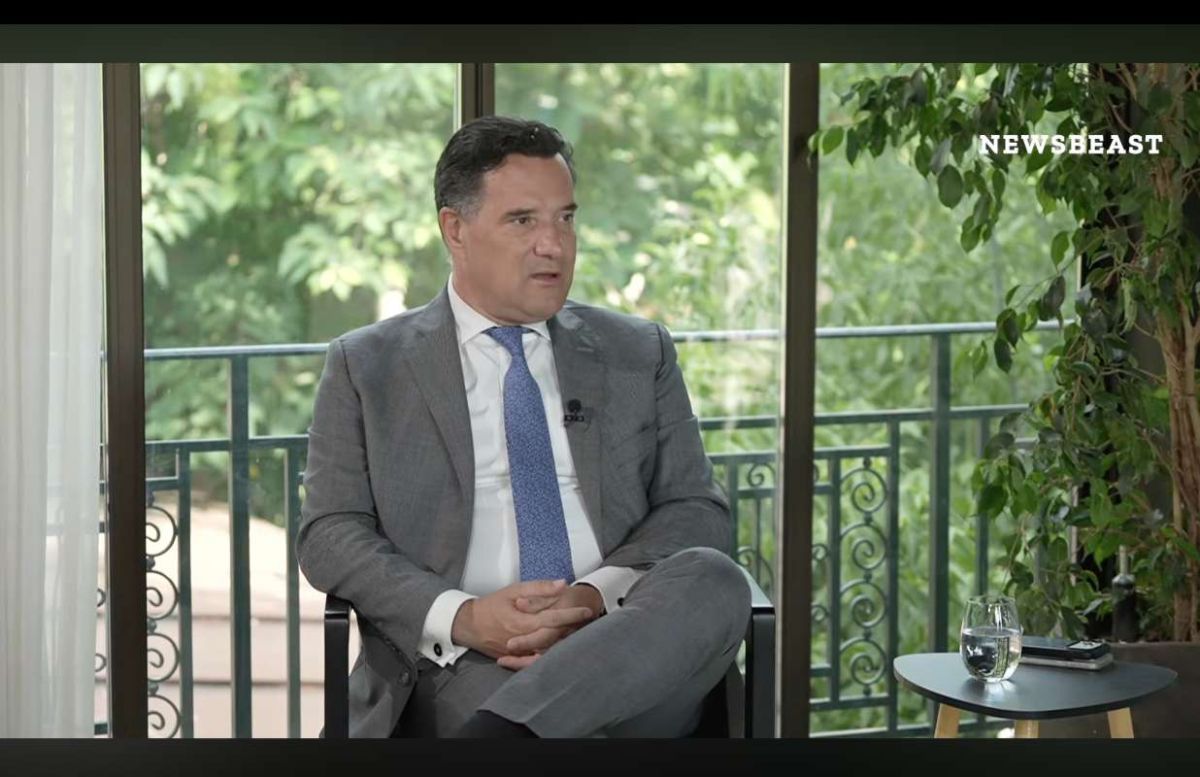
Πηγή Φωτογραφίας: screenshot//Adonis Georgiadis: A New Model for Clawback – AI, Investment and More Innovative Medicines on the Way



KEY TAKEAWAYS
- A new, fairer clawback model
- AI to tackle overprescription
- Big Data through IDIKA
- Greater access to innovation
- Boosting clinical trials
- New investment incentives
- Modernising Health Centres
- Expanding digital healthcare
- Better value for public spending
- Innovation that saves lives
“We cannot face tomorrow’s medicine with yesterday’s tools”
The debate surrounding Greece’s pharmaceutical clawback has evolved far beyond budget control. It has become a discussion about how a modern healthcare system can finance medical innovation while remaining fiscally sustainable.
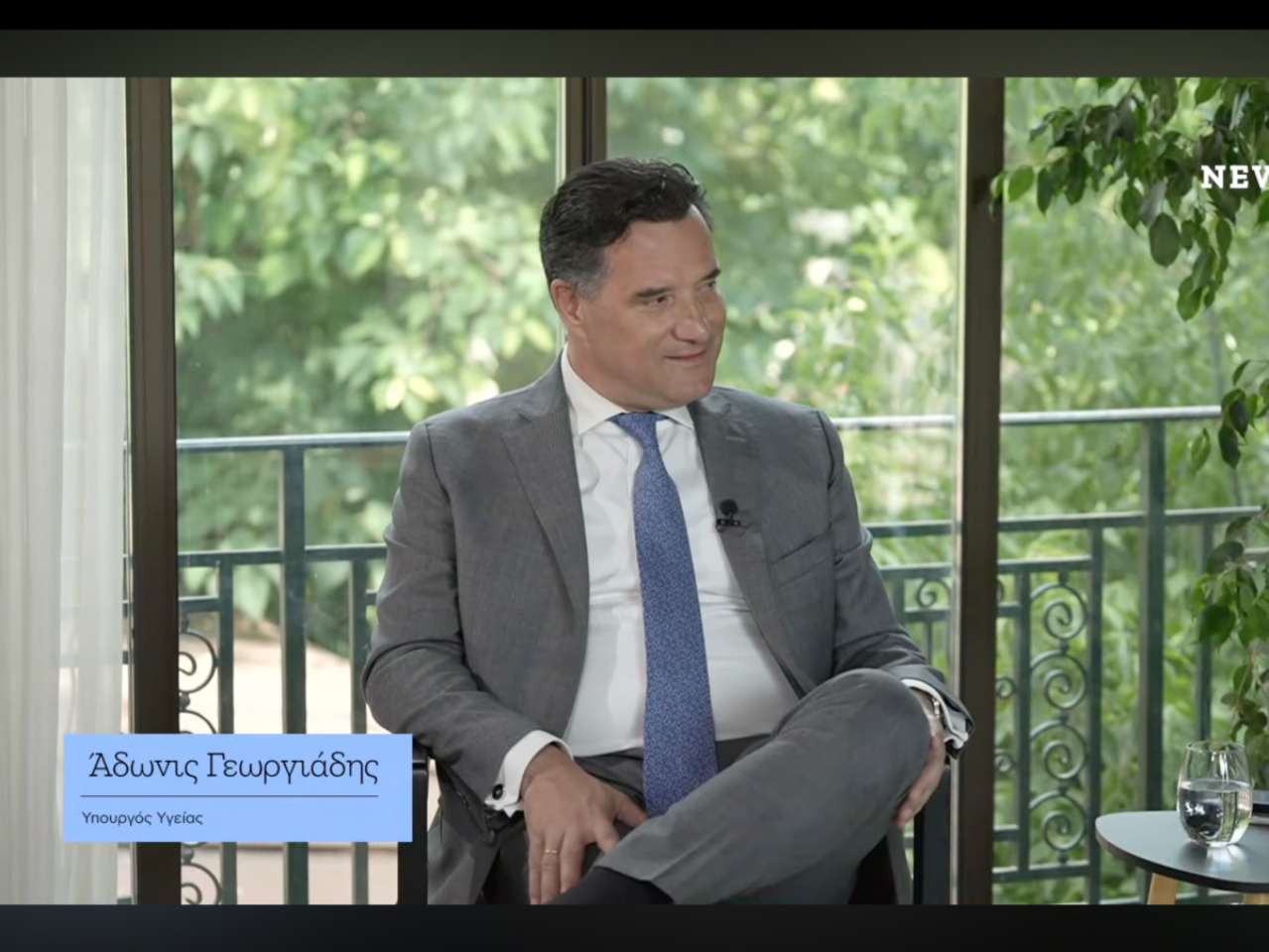
That was the central message delivered by Health Minister Adonis Georgiadis, who used the Newsbeast conference to present what he described as the government’s next phase of healthcare reform.
Rather than portraying innovation as a financial burden, Georgiadis argued that technology, data and investment must become the pillars of a sustainable National Health System.
“Science is moving faster than ever before”
The minister stressed that every healthcare system now faces the same challenge.
“Science is advancing at an unprecedented pace. Innovation is accelerating faster than anyone expected.”
According to Georgiadis, the dramatic increase in newly approved therapies has fundamentally changed the landscape of pharmaceutical policy.
“This is a tremendous victory for science.”
However, he acknowledged that public healthcare budgets cannot expand at the same pace as medical innovation.
“I don’t see a problem. I see lives being saved.”
One of the strongest moments of his intervention came when he shifted the discussion away from costs and toward patients.
“Let’s not look at this only from the negative side. It is a good thing that these therapies exist.”
He continued:
“People who might have died can now survive. Others who would have lived with a very poor quality of life can now enjoy a normal life.”
Georgiadis argued that innovative medicines should also be viewed as an economic investment.
“A person who remains healthy stays productive, continues working, contributes to society and enjoys life. That benefits the entire economy.”
“I am not against innovation. I support innovation.”
The Health Minister left little room for ambiguity regarding his philosophy.
“I am not against innovation. I am in favour of innovation.”
For him, the real challenge is not whether innovative medicines should be funded, but how governments can finance them responsibly.
“Our responsibility is to ensure that patients have access to innovation while maintaining the sustainability of the healthcare system.”
A new generation of clawback
Georgiadis announced that the government is preparing significant changes to the clawback framework.
“We need to expand Health Technology Assessment.”
He also revealed that reimbursement mechanisms should increasingly be linked to the real clinical effectiveness of medicines.
“The level of mandatory rebates should be connected to therapeutic outcomes.”
According to the minister, this approach reflects international best practices rather than a uniquely Greek initiative.
“This is not our invention. Many countries are already moving in this direction.”

Artificial Intelligence enters prescription monitoring
One of the most notable announcements concerned the integration of Artificial Intelligence into Greece’s electronic prescribing system.
“A tender is already underway for a new digital architecture that will use Artificial Intelligence.”
The system will automatically detect unusual prescribing patterns, possible overprescription and irregular behaviour.
“Instead of searching for patterns ourselves, the system will identify them automatically.”
The objective is twofold: reduce unnecessary pharmaceutical spending while ensuring patients who genuinely need innovative treatments continue to receive them.
Big Data becomes a policy tool
Georgiadis described Greece’s national digital health infrastructure (IDIKA) as a strategic asset.
“IDIKA is the mirror not only of prescribing but of the healthcare system itself.”
Using healthcare data, authorities will be able to analyse regional differences, prescribing trends and medical practice, allowing more targeted interventions and better public health planning.
Investment clawback: Turning rebates into growth
The minister also highlighted what he considers one of the government’s most successful reforms.
The investment clawback mechanism allows pharmaceutical companies to offset part of their mandatory rebates through productive investments in Greece.
“The investment clawback has worked extremely well for manufacturing.”
Several Greek pharmaceutical companies have already expanded production facilities under the scheme, while Pfizer’s Digital Center in Thessaloniki was cited as a successful example of attracting international investment.
At the same time, Georgiadis acknowledged that Greece still needs to attract significantly more international clinical trials.
“We have not yet achieved the level of success we want. We are working on it.”
He confirmed that the government is preparing a more attractive framework for multinational pharmaceutical companies.
“We are designing a new investment clawback model that will be even more attractive.”
With characteristic pragmatism, he added:
“We’ll make it happen.”
Recovery Fund projects continue
The minister also defended the implementation of healthcare projects financed through the European Recovery and Resilience Facility.
“It was far from guaranteed that Greece would absorb these funds successfully.”
He pointed to the ongoing renovation of Health Centres across the country as evidence that the programme is delivering tangible improvements despite the administrative complexity of public procurement.
The future of digital healthcare
The discussion concluded with the electronic patient record.
Georgiadis acknowledged that wider access for treating physicians remains a challenge, particularly given Greece’s strict personal data protection framework.
“We are in constant discussions with the Data Protection Authority.”
The goal, he said, is to improve continuity of care without compromising citizens’ privacy.
Beyond pharmaceutical policy, Georgiadis presented a broader vision for the Greek healthcare system—one built on measurable outcomes, digital governance, investment, Artificial Intelligence and innovation.
His argument was clear: medical progress should not be feared because of its cost. Instead, governments must redesign healthcare financing so that innovation remains accessible, sustainable and economically productive.
“Science will continue to move forward. Our responsibility is to ensure that patients move forward with it.”
Source: pagenews.gr
Διαβάστε όλες τις τελευταίες Ειδήσεις από την Ελλάδα και τον Κόσμο