Trump Backs Netanyahu Ahead of Israeli Election as Iran Looms Over the Middle East
 ΧΡΟΝΟΣ ΑΝΑΓΝΩΣΗΣ 8 '
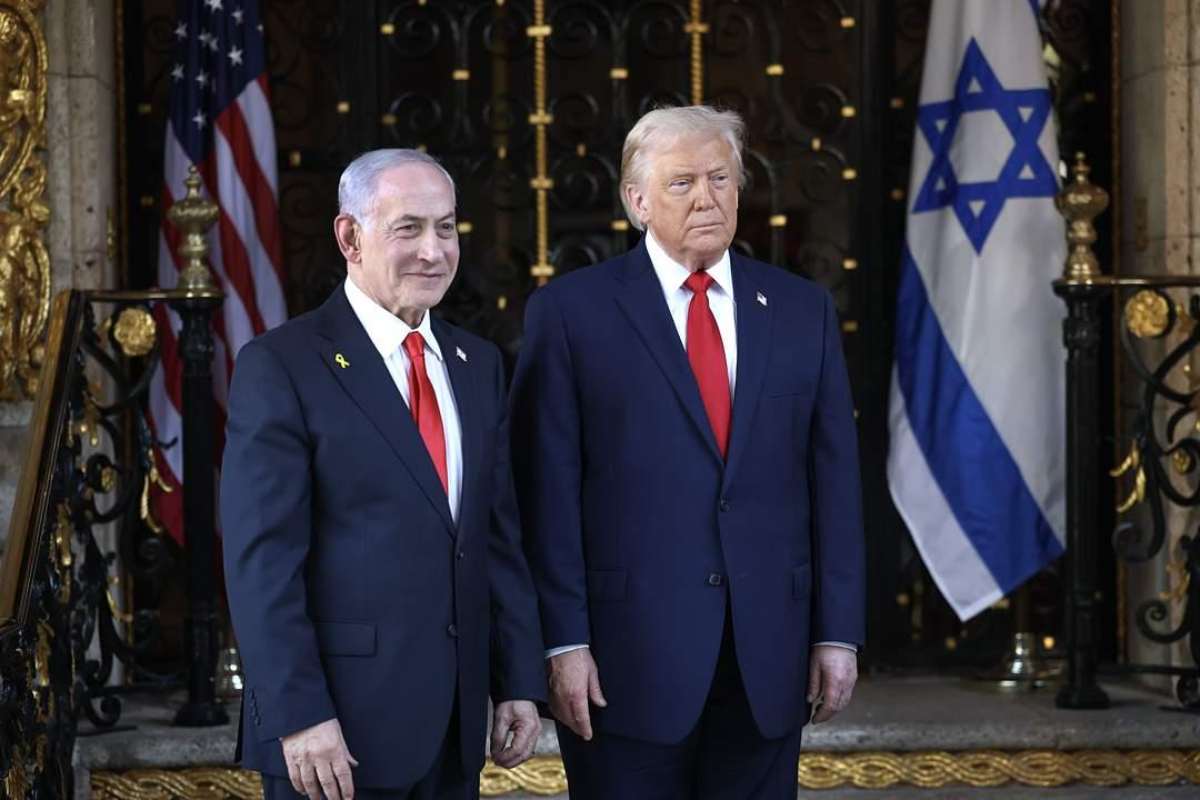
Πηγή Φωτογραφίας: Netanjahu i Tramp, Foto: REUTERS//Trump Backs Netanyahu Ahead of Israeli Election as Iran Looms Over the Middle East



US President Donald Trump has made an unusually direct intervention in Israeli politics, publicly endorsing Prime Minister Benjamin Netanyahu ahead of a closely watched election that could have significant consequences for the Middle East.
With tensions surrounding Iran and regional security remaining central to Washington’s foreign policy, Trump’s decision reflects his preference for a familiar political partner.
According to Al-Monitor, the American president used his Truth Social platform on Sunday, nine days before the election, to announce his “Complete and Total Endorsement” of Netanyahu.
He also described the Israeli prime minister as “a Great Warrior.”
The endorsement is striking not only because of its timing but also because of its implications for American diplomacy.
While Washington traditionally maintains close relations with Israel regardless of which party governs, Trump’s intervention openly associates the White House with a particular political leader during an election campaign.
Why Trump Is Backing Netanyahu
For Trump, Netanyahu represents a familiar counterpart with whom he has previously worked on some of the most consequential issues in Middle Eastern diplomacy.
Their relationship has been shaped by shared security concerns, particularly over Iran, alongside efforts to strengthen Israel’s regional position.
The American president’s endorsement suggests that he values continuity in Israel’s leadership at a time when Washington may face difficult decisions concerning Tehran.
As Al-Monitor reports, Trump appears to regard Netanyahu as a known partner should military operations against Iran resume.
This calculation is important because any renewed confrontation with Iran would require decisions involving intelligence cooperation, military coordination, regional alliances and diplomatic consequences.
A longstanding relationship between the two leaders could facilitate communication during a crisis.
However, personal familiarity does not necessarily guarantee agreement on every strategic decision.
American and Israeli priorities may diverge over the scale, timing and objectives of military operations, as well as over the diplomatic arrangements that might follow.
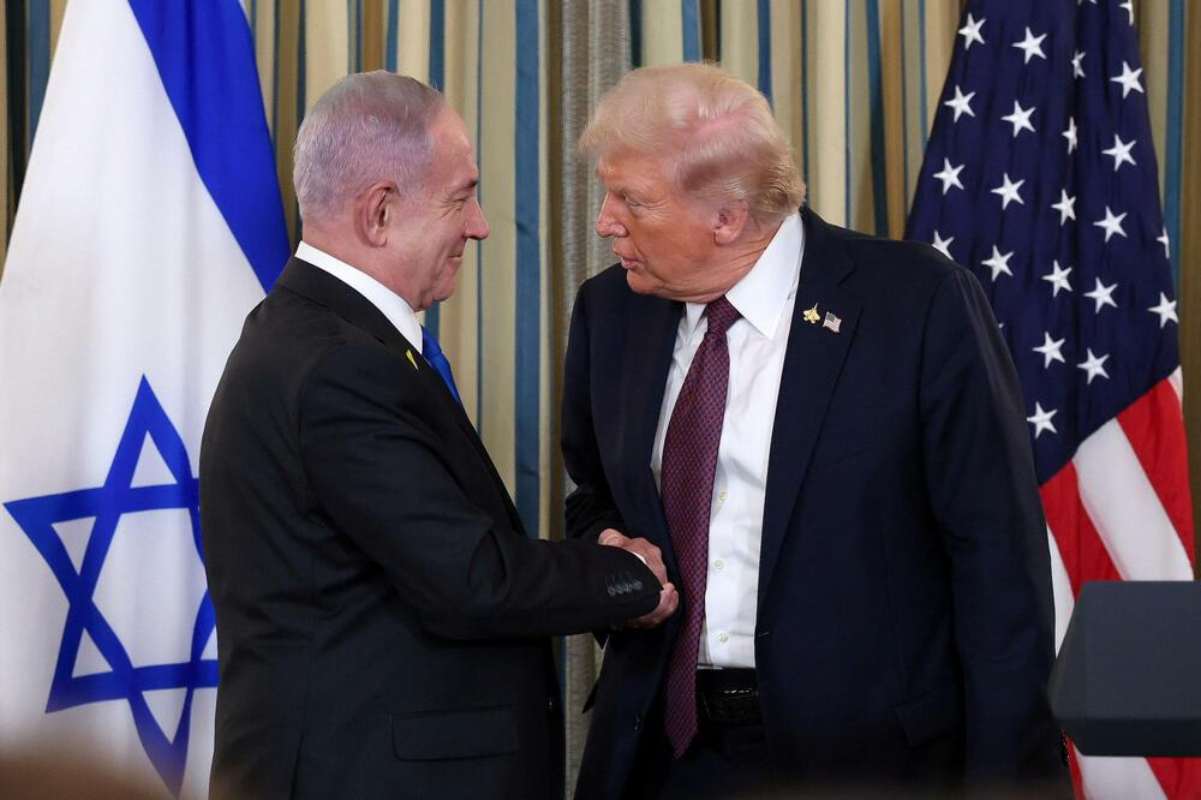
An Extraordinary Intervention in Israel’s Election
Trump’s declaration went beyond the usual diplomatic language of support between allied governments.
His “Complete and Total Endorsement” was an explicit statement of political preference.
By calling Netanyahu “a Great Warrior,” Trump also emphasised the prime minister’s image as a leader associated with military strength and national security.
Al-Monitor described the endorsement as an unprecedentedly explicit intervention by a sitting US president during an Israeli election campaign.
The decision raises a broader question about the distinction between supporting a strategic ally and expressing a preference for a particular government.
Israel remains one of Washington’s most important regional partners, with extensive cooperation in defence, intelligence and technology.
Those institutional ties extend beyond individual leaders.
Trump’s intervention, however, places his personal political relationship with Netanyahu at the centre of the immediate diplomatic debate.
Iran: The Strategic Issue Behind the Endorsement
The possibility of renewed military operations against Iran provides a central geopolitical context for Trump’s decision.
For Israel, Iran’s nuclear activities, military capabilities and regional partnerships have long been major security concerns.
Netanyahu has repeatedly placed the Iranian threat at the heart of his political and security agenda.
For Washington, the Iranian question is considerably broader.
US policymakers must weigh Israel’s security concerns against the safety of American forces, relations with Gulf partners, energy market stability and the danger of a wider regional conflict.
Any renewed military confrontation could have consequences extending far beyond Israel and Iran.
The Gulf’s energy infrastructure, international shipping routes and the security of neighbouring states could all become relevant factors.
Against this background, Trump’s support for Netanyahu can be understood as an expression of confidence in a familiar security partner.
It should not, however, be interpreted as confirmation that new military operations have been decided.
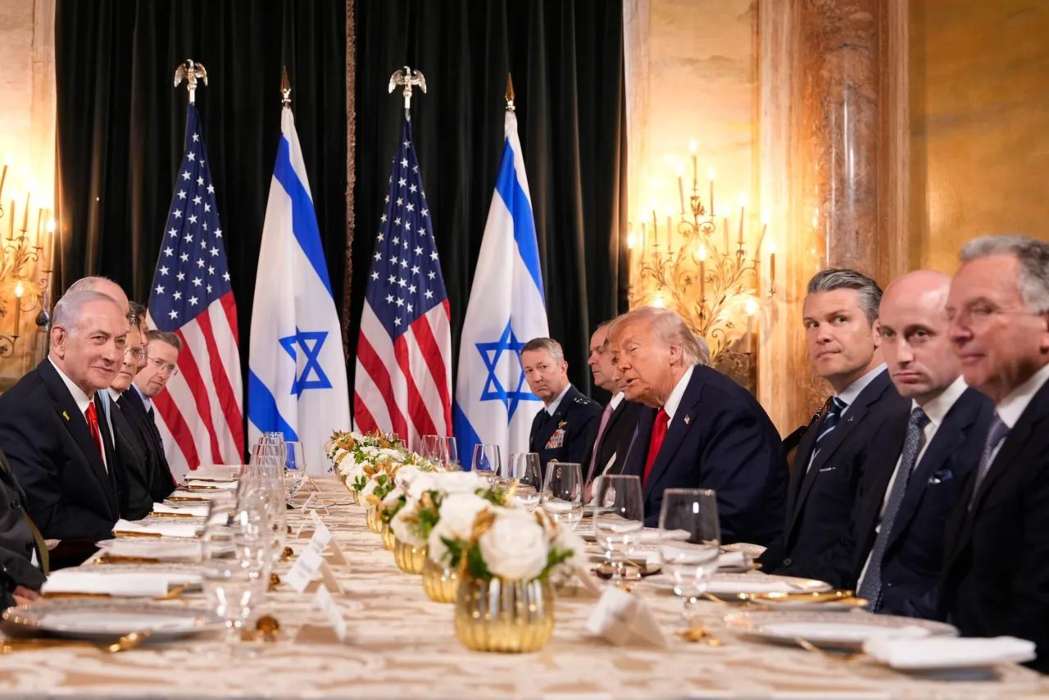
No Immediate Polling Boost for Netanyahu
Despite the political significance of the endorsement, its immediate electoral effect remains uncertain.
According to Al-Monitor, a Channel 12 poll conducted the day after Trump’s announcement showed no immediate improvement in Netanyahu’s electoral position.
The finding is notable given Trump’s popularity among sections of the Israeli public.
It suggests that admiration for an American president does not necessarily translate into additional support for the Israeli politician he endorses.
Domestic concerns remain central to Israeli electoral behaviour.
Security, economic conditions, political accountability, coalition negotiations and confidence in national leadership can all influence voters.
A single poll cannot establish the longer-term impact of Trump’s intervention.
Nevertheless, the initial result illustrates the limits of foreign political endorsements, even when they come from a powerful and relatively popular international figure.
Washington’s Wider Middle East Strategy
The Israeli election matters to the United States because the next government will play an important role in several interconnected regional challenges.
These include Iran, the future of Gaza, security along Israel’s northern border and relations with Arab states.
The possibility of deeper Israeli integration into regional diplomatic and economic arrangements also remains an important strategic consideration.
For Washington, cooperation with Israel must be balanced against relationships with Saudi Arabia, Egypt, Jordan and other regional partners.
These governments do not necessarily share identical priorities.
Some emphasise military deterrence against Iran, while others place greater weight on regional stability, economic development and preventing further conflict.
A close Trump-Netanyahu relationship may facilitate bilateral decisions but could also complicate diplomacy if American and Israeli objectives differ from those of other regional governments.
The Gulf States and the Risk of Regional Escalation
Any renewed confrontation involving Iran would be closely watched across the Gulf.
Regional governments have strong interests in protecting energy infrastructure, commercial shipping and investment flows.
An escalation could create uncertainty around maritime security and global oil and gas markets.
The Strait of Hormuz, one of the world’s most strategically important maritime passages, would be an obvious focus of international concern during a major crisis.
For the United States, managing these risks requires coordination with multiple partners, not only Israel.
That is why the Israeli election has implications for the broader regional diplomatic environment.
The identity and priorities of Israel’s next government will influence how Washington approaches these relationships, although US foreign policy will continue to be shaped by American institutions and interests.
The Limits of Personal Diplomacy
Trump and Netanyahu have developed a political relationship that attracts considerable international attention.
Their shared emphasis on security and deterrence provides areas of common ground.
But the relationship also demonstrates the limits of leader-to-leader diplomacy.
Decisions involving war, peace and regional security depend on military assessments, domestic political constraints, international obligations and changing strategic conditions.
Even leaders with strong personal ties may disagree over operational choices or diplomatic compromises.
Equally, a different Israeli government would not necessarily abandon Israel’s established security concerns regarding Iran.
The underlying strategic relationship between Washington and Jerusalem is broader than any single political partnership.
A Defining Test for US-Israeli Relations
Trump’s intervention has added an international dimension to an election that Israeli voters will ultimately decide.
The American president has made his preference clear.
Netanyahu has received a highly visible endorsement from one of Israel’s most influential international partners.
Yet the first polling indication cited by Al-Monitor suggests that the endorsement has not immediately changed the electoral landscape.
The larger geopolitical question concerns what follows the election.
Whether Israel’s next government is led by Netanyahu or another political figure, Washington will still face difficult choices over Iran, regional security and relations with Arab partners.
Trump’s endorsement underscores the importance he places on political continuity with Netanyahu. But the future of the Middle East will depend on far more than the relationship between two leaders: it will be shaped by Israeli voters, regional governments and the strategic decisions taken in Washington, Jerusalem and Tehran.
Source: pagenews.gr
Διαβάστε όλες τις τελευταίες Ειδήσεις από την Ελλάδα και τον Κόσμο