Greece 2.0: Final Race for €6.7bn – 123 Milestones Must Be Cleared Within Days
 ΧΡΟΝΟΣ ΑΝΑΓΝΩΣΗΣ 6 '
Πηγή Φωτογραφίας: eurokinissi//Greece 2.0: Final Race for €6.7bn – 123 Milestones Must Be Cleared Within Days



Greece is entering the decisive final stretch of its Recovery and Resilience Plan, with the government racing to complete the remaining milestones required to unlock the final €6.7 billion tranche of European funding.
The numbers capture the scale of the challenge: 123 milestones and targets are linked to the ninth and final payment request, with the critical implementation deadline falling on August 31.
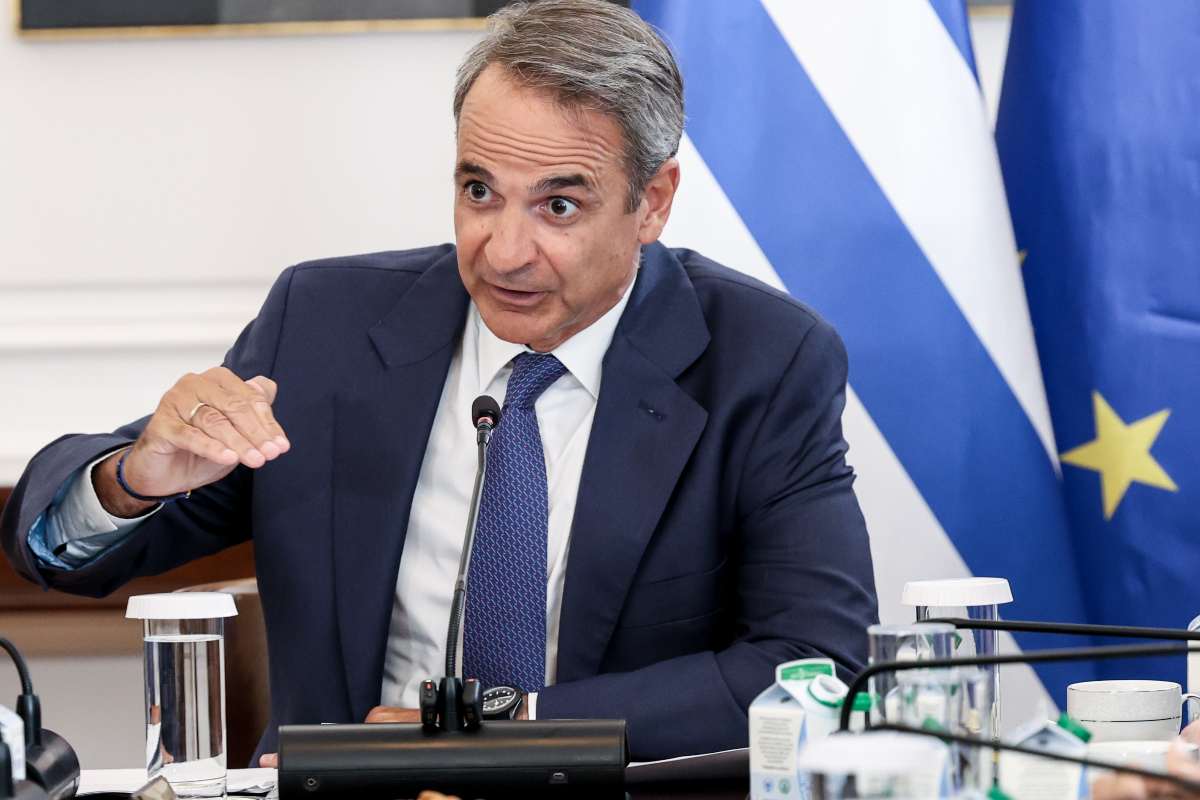
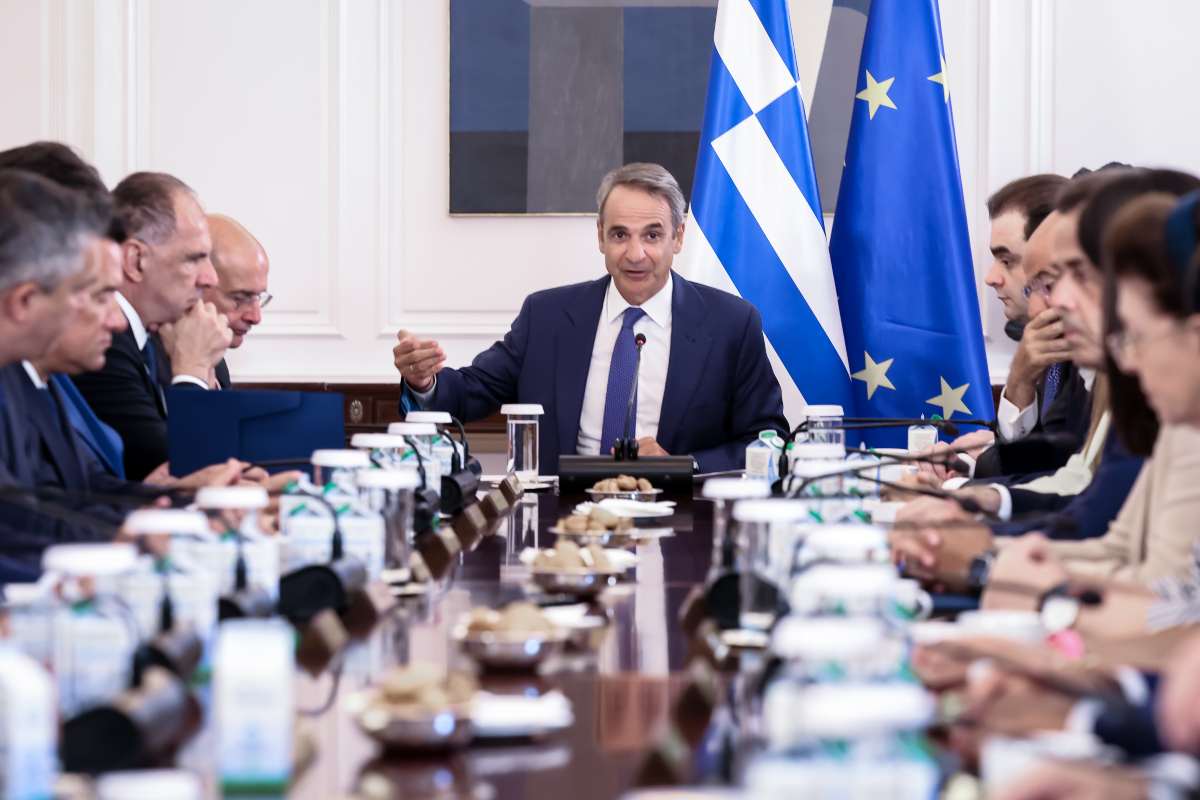
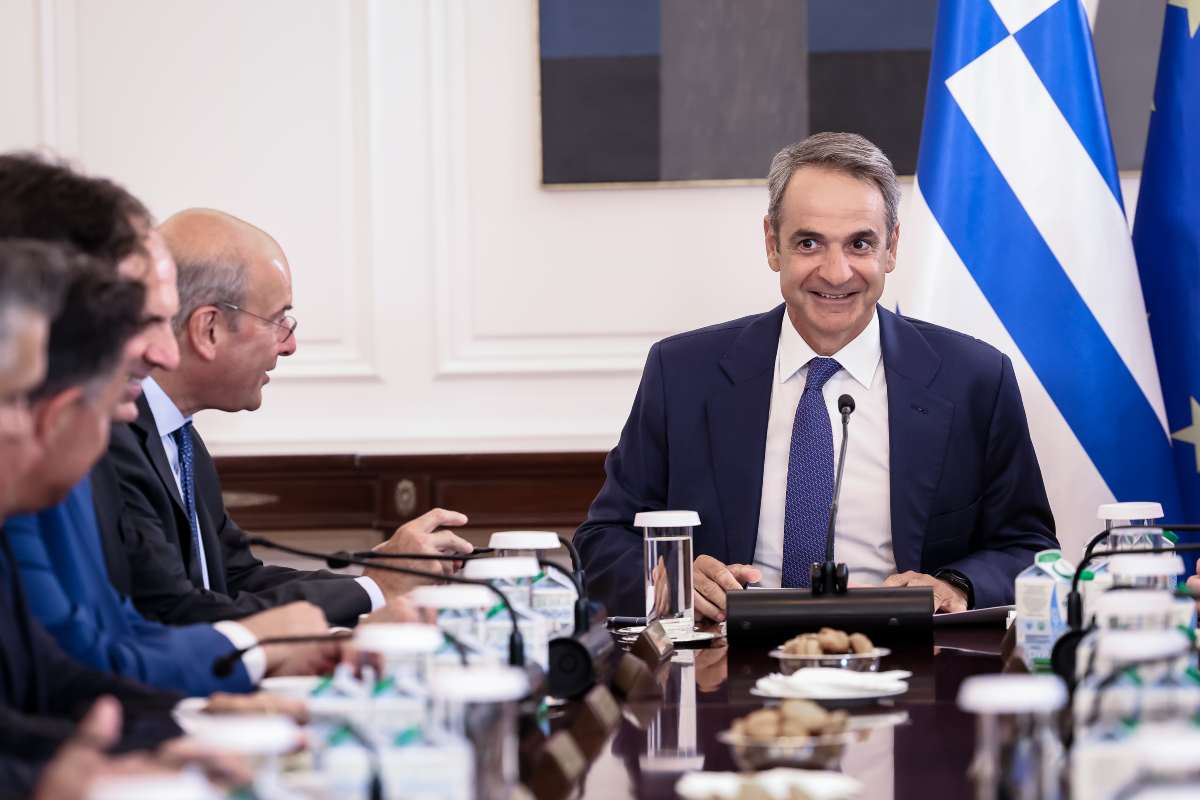
The issue is at the top of today’s Cabinet agenda, where Minister of State Akis Skertsos and Alternate Minister of National Economy and Finance Nikos Papathanasis are presenting an assessment of the completion of the national Recovery and Resilience Plan, known as “Greece 2.0”.
This is more than a technical review of EU fund absorption.
It marks the closing phase of one of the largest investment and reform programmes in modern Greek economic history — and simultaneously opens the debate over what will replace the extraordinary flow of RRF money after 2026.
123 milestones – The clock is ticking
The immediate challenge is clear.
By August 31, the necessary actions linked to the 123 remaining milestones and targets must have been completed, clearing the way for Greece to proceed with its ninth and final payment request.
Administrative verification can continue during September, but the substantive implementation of the required measures must be completed by the end-August deadline.
That turns the final days of the month into an intensive race across ministries and public authorities responsible for the individual projects and reforms.
The €6.7bn final payment
Provided the remaining requirements are successfully completed, Greece is expected to move towards submitting its final payment request at the end of September.
The package amounts to approximately:
- €4.4 billion in grants
- €2.3 billion in loans
- €6.7 billion in total.
The final disbursement process must then be completed within the timetable governing the European Recovery and Resilience Facility.
Another €4.6bn comes first
Before the final €6.7 billion request, another substantial injection of European funding is expected.
Approximately €4.6 billion linked to previous Greek payment requests is expected to move towards disbursement in early September.
Of that amount:
- €865 million relates to the eighth grant request
- around €3.7 billion relates to the seventh loan request.
The European Commission has already endorsed Greece’s revised Recovery and Resilience Plan, bringing the country closer to the completion of the programme.
€35.95bn: The final Greece 2.0 bill
Once the programme is completed, Greece will have had access to a total RRF envelope of approximately €35.95 billion.
That consists of:
- €18.22 billion in grants
- €17.73 billion in loans.
The sheer size of the package explains why the end of the RRF represents a critical transition point for the Greek economy.
For several years, Recovery Fund resources have supported investments ranging from the green and digital transitions to infrastructure, healthcare, energy efficiency and private-sector investment.
The question now changes.
What replaces the RRF as a major engine of investment after 2026?
The 2027 investment gap
This is where the next challenge becomes visible.
According to Greece’s multiannual fiscal planning, Public Investment Programme expenditure is projected to decline sharply after the completion of the Recovery Fund cycle — from around €16.7 billion in 2026 to €10.6 billion in 2027.
It is subsequently projected to recover gradually:
- 2027: €10.6 billion
- 2028: €11.9 billion
- 2029: €13 billion
- 2030: €14.2 billion.
The challenge for economic policy is therefore not simply to complete the RRF successfully.
It is to prevent the end of the programme from creating an investment cliff.
Government builds the bridge beyond the Recovery Fund
Athens has already begun assembling the funding architecture for the post-RRF period.
At its centre is the new 2026–2030 National Development Programme, worth €23 billion.
It will be complemented by several European and domestic financing instruments, including:
- the 2021–2027 NSRF
- the next 2028–2034 EU programming period
- the Social Climate Fund
- the Modernisation Fund
- new financing instruments through the Hellenic Development Bank
- resources under the EU’s next Multiannual Financial Framework.
The objective is to maintain investment momentum even as the extraordinary financing provided through the Recovery Fund disappears.
€2bn bridge for businesses
One particularly important element concerns the Hellenic Development Bank.
Around €2 billion from the RRF loan component is expected to be channelled towards the Development Bank, creating a financing bridge aimed particularly at maintaining access to capital for smaller businesses.
That could prove important because one of the challenges of the post-RRF period will be ensuring that investment financing does not become concentrated exclusively among Greece’s largest corporate groups.
The next European war chest
From 2028 onwards, attention will increasingly shift towards the European Union’s next Multiannual Financial Framework for 2028–2034.
Under proposals currently being negotiated, resources potentially available to Greece have been estimated at more than €49 billion.
That figure, however, is not yet final and will depend on negotiations between EU institutions and member states.
For Athens, the objective will be to secure sufficient resources to maintain infrastructure, competitiveness, social and regional investment during the next European budget cycle.
The final RRF battle – And the first battle of the post-RRF era
Today’s Cabinet discussion therefore carries a significance that extends far beyond the remaining paperwork of Greece 2.0.
The government is fighting two battles simultaneously.
The first is immediate: complete 123 milestones by August 31 and clear the path towards the final €6.7 billion payment.
The second is strategic: demonstrate that Greece can sustain high levels of investment after the extraordinary European financing of the Recovery Fund comes to an end.
Greece 2.0 is approaching the finish line.
But for the Greek economy, the more consequential test begins immediately afterwards: whether the investment momentum built during the RRF years can survive without the RRF itself.
Διαβάστε όλες τις τελευταίες Ειδήσεις από την Ελλάδα και τον Κόσμο