Israel’s Opposition Moves to Take Control of the Knesset as Netanyahu Faces a New Political Challenge
 ΧΡΟΝΟΣ ΑΝΑΓΝΩΣΗΣ 7 '
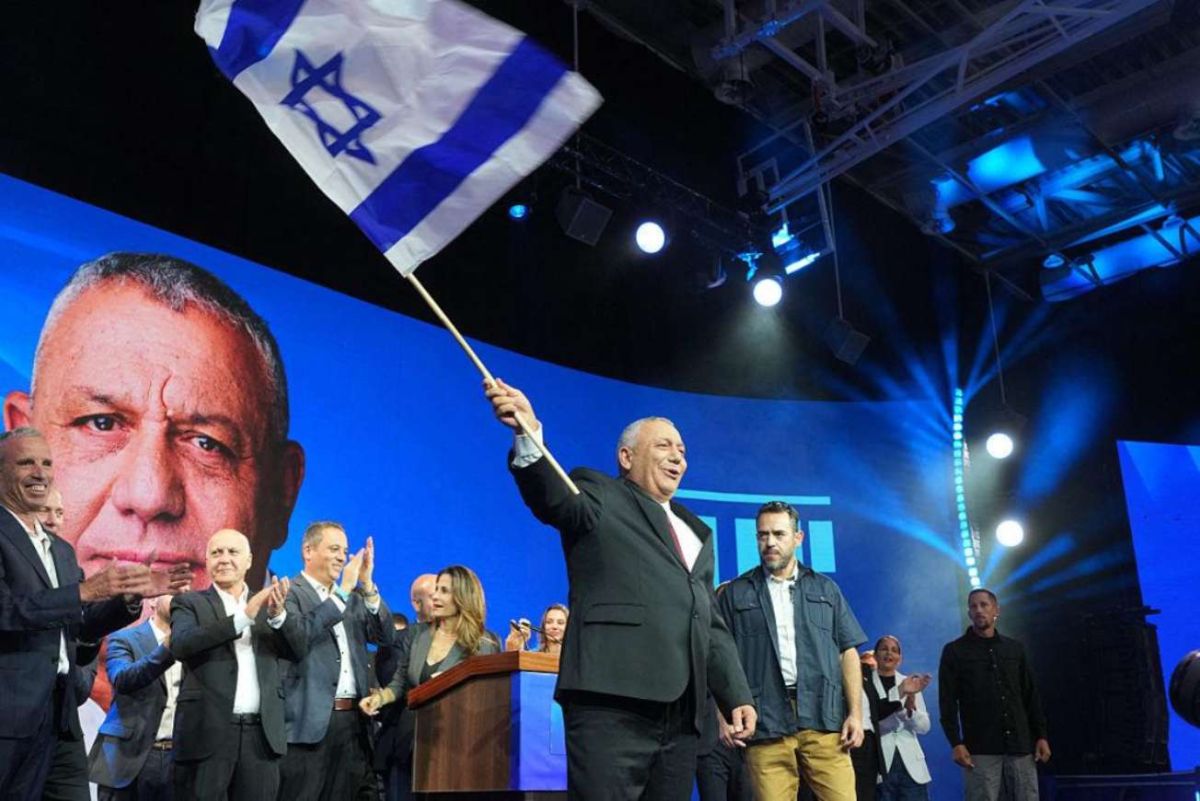
Πηγή Φωτογραφίας: Γκάντι Αϊζενκοτ – εκλογές 28 Οκτωβρίου 2026. Credit: Associated Press.



Israel’s opposition parties have reached a significant agreement on key parliamentary appointments, marking an important step in their efforts to replace Prime Minister Benjamin Netanyahu’s government and reshape the balance of power in the Knesset.
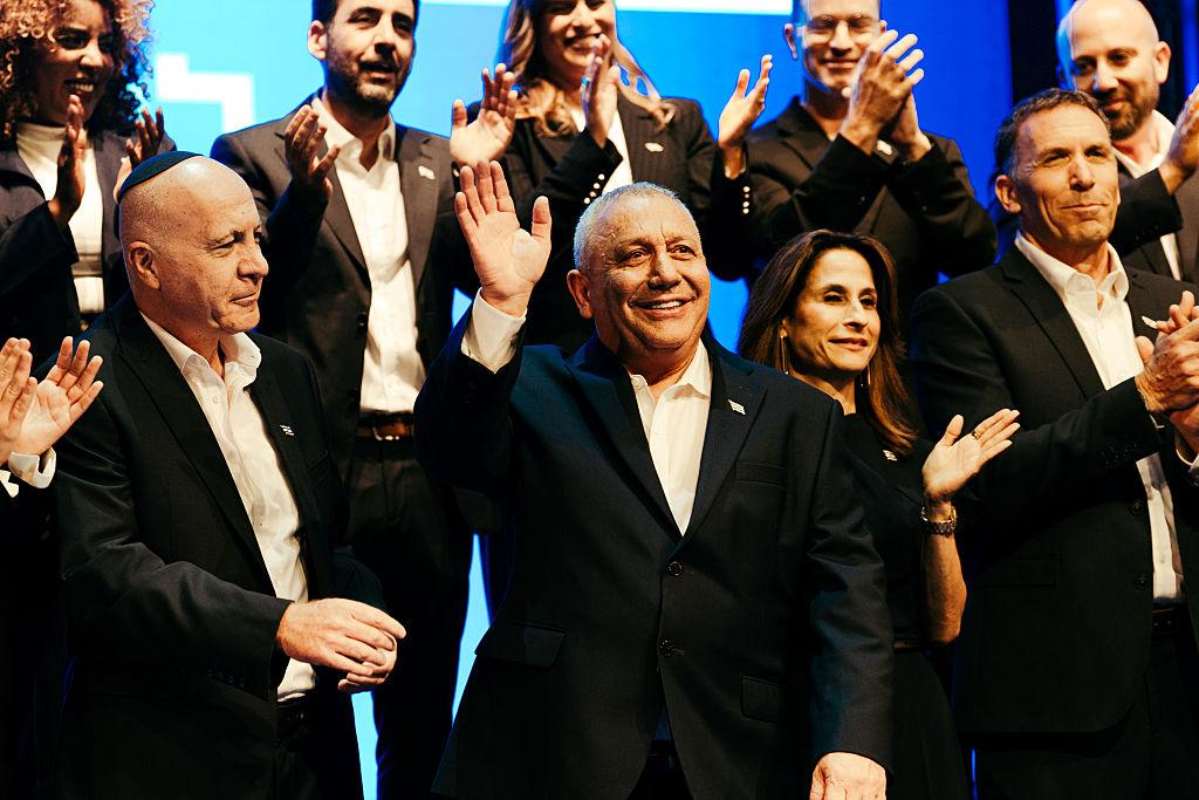
The agreement, announced on Tuesday, November 10, brings together five prominent political figures: Gadi Eisenkot, Naftali Bennett, Yair Lapid, Avigdor Lieberman and Yair Golan.
At the center of the deal is the nomination of former minister Matan Kahana as the next speaker of the Knesset, a position currently held by Netanyahu ally Amir Ohana of the Likud party.
The announcement comes as Israel prepares for the inauguration of its 26th Knesset and Eisenkot continues negotiations to establish a governing coalition.
While the agreement represents a concrete step toward parliamentary cooperation, it does not yet guarantee the formation of a new government.
Five Political Leaders Reach a Parliamentary Deal
According to the Times of Israel, the agreement followed several days of negotiations between Eisenkot, leader of the Yashar party; Lieberman, head of Yisrael Beiteinu; Bennett, leader of the Together alliance; Golan, chairman of the Democrats; and Lapid, the opposition leader.
The five politicians agreed to support Kahana, who holds the fifth position on Yashar’s electoral list, as their candidate for Knesset speaker.
Eisenkot announced the agreement on X, while the participating parties issued a joint statement outlining their plans for the new parliamentary session.
The selection of Kahana followed discussions over which party should control the speakership, one of the most influential institutional positions in Israel’s political system.
The speaker plays a central role in parliamentary proceedings, legislative scheduling and the organization of Knesset business.
For the opposition, replacing Ohana would represent an important institutional change as negotiations over the next government continue.

Lieberman Set for Defense Committee, Bennett Ally for Finance
The agreement also covers two influential parliamentary committees.
Avigdor Lieberman, a former defense minister, has been nominated to chair the Knesset Foreign Affairs and Defense Committee.
The committee oversees major national security issues, including defense policy, military affairs and parliamentary scrutiny of the country’s security establishment.
Lieberman’s nomination is particularly significant given Israel’s continuing security challenges and the wider instability across the Middle East.
Meanwhile, Liran Avisar Ben-Horin, a newly elected lawmaker from Bennett’s Together alliance, has been proposed as chair of the Knesset Finance Committee.
The committee has a central role in reviewing budgetary legislation, fiscal measures and government spending proposals.
The composition of the parliamentary committees is expected to be finalized during the week and submitted for Knesset approval on Wednesday, November 11.
These appointments remain subject to the relevant parliamentary procedures.
The First Major Test: Removing Netanyahu Ally Amir Ohana
The immediate political challenge concerns the position of current Knesset speaker Amir Ohana.
A senior Likud politician and close Netanyahu ally, Ohana has indicated that he will schedule a debate on electing his successor within a week if a formal request receives the required parliamentary support.
However, the opposition faces a significant numerical obstacle.
Eisenkot’s core parliamentary alliance controls 48 of the Knesset’s 120 seats, falling short of the 61 votes needed to secure an absolute majority.
The agreement among the five leaders therefore establishes a common candidate but does not automatically ensure Kahana’s election.
Additional support from lawmakers outside the core alliance will be necessary.
The vote could become an early indicator of whether the opposition’s cooperation can extend beyond its existing parliamentary base.
Eisenkot Receives 67 Recommendations to Form a Government
The parliamentary agreement follows a major development in Israel’s government formation process.
On Sunday, President Isaac Herzog formally tasked Gadi Eisenkot, a former chief of staff of the Israel Defense Forces, with attempting to establish a new government.
Eisenkot received recommendations from 67 members of the Knesset, compared with 46 lawmakers who supported Netanyahu.
The difference reflects a shift in parliamentary alignments following the election.
However, recommendations to the president are not equivalent to binding commitments to support a governing coalition.
Although 67 lawmakers recommended Eisenkot for the premiership, his core alliance currently holds only 48 seats.
That distinction is central to understanding the political uncertainty.
Eisenkot must now negotiate additional agreements capable of producing a functioning parliamentary majority.
He has 28 days to form a government, with the possibility of a further 14-day extension.
A Coalition Divided by Ideology and Political Priorities
The potential governing alliance brings together parties with different ideological traditions and competing political priorities.
Naftali Bennett, a former prime minister, represents a political current rooted in the Israeli right and strongly focused on national security.
Yair Lapid occupies the political center, while Yair Golan’s Democrats represent the center-left.
Avigdor Lieberman, meanwhile, has long emphasized security policy and the relationship between religious institutions and the state.
Eisenkot’s challenge is to transform cooperation over parliamentary appointments into agreement on a broader governing program.
Key questions include national security, economic policy, institutional reforms and the relationship between the state and religious communities.
These differences could become more difficult to reconcile when negotiations move from parliamentary positions to cabinet portfolios and government policy.
The agreement over the Knesset speakership suggests that the parties can reach compromises on specific institutional matters.
Whether that cooperation can be sustained during government formation remains uncertain.
Netanyahu Remains an Important Political Force
Despite losing the initiative in the presidential consultations, Benjamin Netanyahu continues to command substantial parliamentary support.
His Likud party and political allies remain capable of influencing legislative developments and coalition negotiations.
The struggle over the Knesset speakership is therefore part of a broader contest over parliamentary authority.
For Eisenkot and his partners, securing key committee positions could strengthen their ability to shape legislative priorities.
For Netanyahu’s political camp, maintaining influence within the Knesset remains important as negotiations over the next government unfold.
The outcome will depend on whether Eisenkot can expand his parliamentary support sufficiently to establish a government.
What Happens Next?
The inauguration of the 26th Knesset and the expected approval process for parliamentary committee appointments will provide the first institutional tests of the opposition agreement.
Attention will focus on whether the five political leaders can secure the additional votes needed to replace Amir Ohana and advance their parliamentary agenda.
At the same time, Eisenkot must continue negotiations with potential coalition partners before his government formation mandate expires.
The immediate political facts remain clear: Matan Kahana is the opposition’s agreed candidate for Knesset speaker, Amir Ohana remains in office, and Gadi Eisenkot has yet to secure a governing majority.
The coming parliamentary votes will determine how far the opposition’s agreement can translate into effective institutional control.
Source: pagenews.gr
Διαβάστε όλες τις τελευταίες Ειδήσεις από την Ελλάδα και τον Κόσμο