The New Oil Powers: Why Refineries, Not Reserves, Are Redrawing the Global Energy Map
 ΧΡΟΝΟΣ ΑΝΑΓΝΩΣΗΣ 18 '
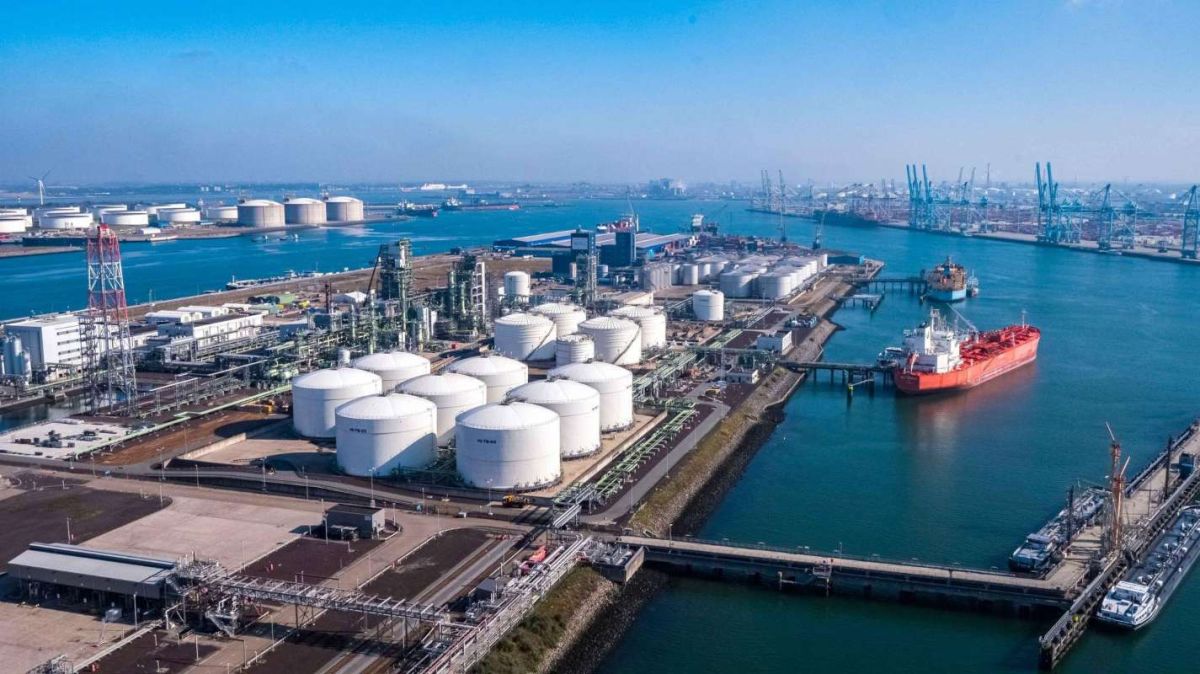
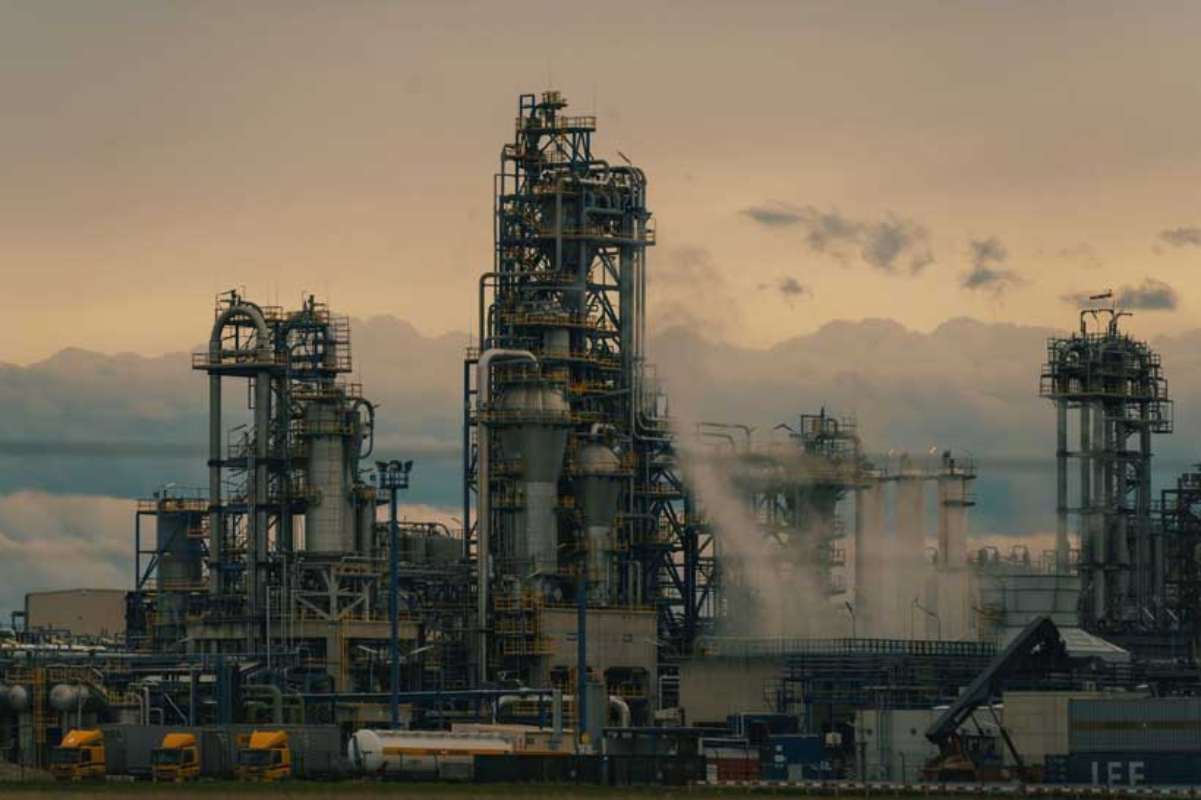
Πηγή Φωτογραφίας: Rotterdam's European refining hub // Photo reference: Port of Rotterdam // Irán abre el estrecho de Ormuz durante tregua, pero EE.UU. mantiene presión militar | Radios Regionales



The global energy crisis of 2026 has exposed a vulnerability that decades of oil diplomacy largely overlooked.
For generations, energy security was measured by access to crude oil reserves. Countries with large deposits, powerful national oil companies and control over strategic shipping routes occupied the commanding heights of the international energy system.
But the latest disruption has revealed a different source of power.
Owning oil is not the same as being able to turn it into diesel, aviation fuel or gasoline.
And when refineries are damaged, operating at full capacity or restricted by government export policies, even abundant crude supplies cannot guarantee that fuel reaches consumers.
That distinction has become the defining feature of the current energy crisis.
According to figures cited in the original analysis, approximately 13.5 million barrels of crude oil per day are once again passing through the Strait of Hormuz, broadly matching prewar levels.
Yet shipments of refined petroleum products remain dramatically below normal.
Diesel, jet fuel and other refined products are moving through the same waterway at approximately 677,000 barrels per day, compared with 3.6 million before the war.
That represents less than one-fifth of previous volumes.
The implications extend far beyond the Gulf.
They affect European transport costs, airline operations, industrial production, inflation and the strategic choices of governments from Washington to Beijing.
Crude Oil Has Recovered. Diesel Has Not.
The divergence between crude oil and refined fuel markets is increasingly visible in prices.
Brent crude has retreated from its wartime peak and is trading in the upper $90s per barrel, according to the source analysis.
Diesel prices, however, remain under extraordinary pressure.
European diesel prices have reached approximately €2.24 per litre in the figures cited by the report, while the United States has considered restrictions on diesel exports.
The contrast illustrates how different the two markets have become.
A recovery in crude production and shipping does not automatically restore supplies of finished petroleum products.
Refineries must process the crude, produce the required fuels and deliver them through functioning transport networks.
When any of these stages is disrupted, the market can remain undersupplied even if crude oil is readily available.
The result is a new form of energy vulnerability.
Countries may have sufficient oil inventories but still struggle to secure the diesel needed for trucks, the aviation fuel required by airlines or the petroleum products consumed by industry.
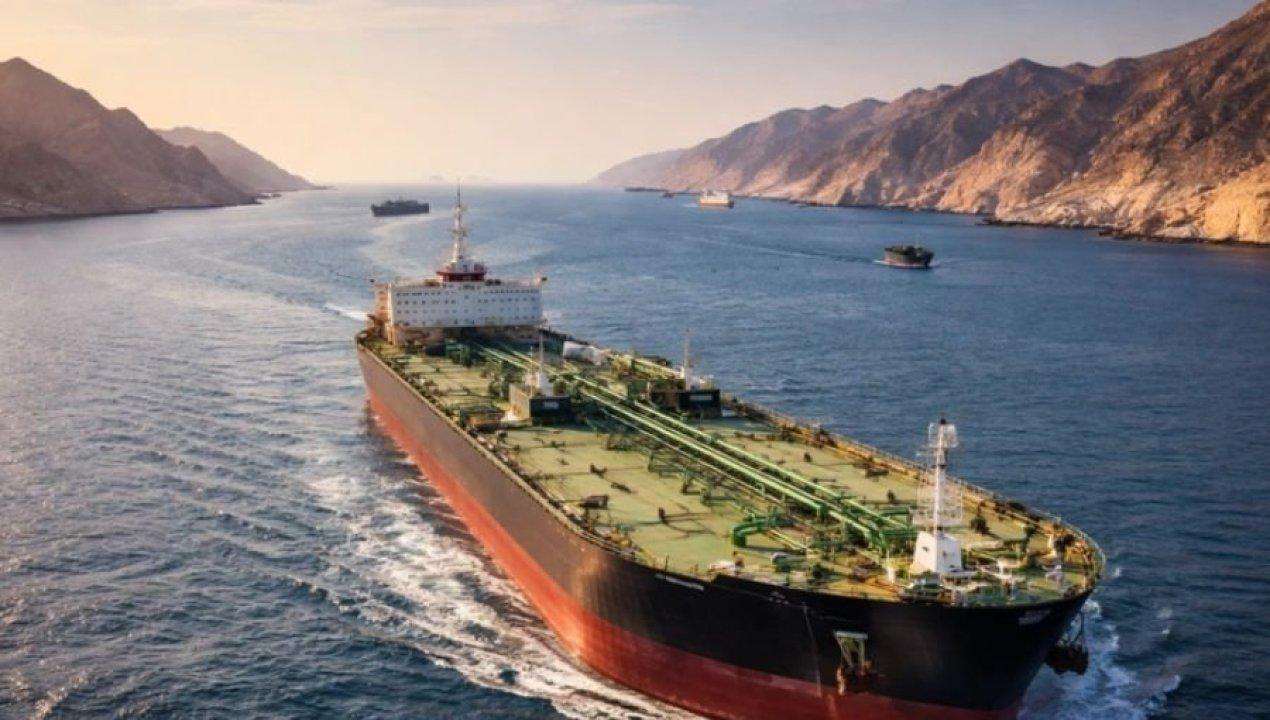
Two Wars Have Created One Global Refining Bottleneck
The crisis began with the war involving Iran on February 28, 2026.
Within days, traffic through the Strait of Hormuz collapsed, severely disrupting energy exports from the Persian Gulf.
The International Energy Agency responded by coordinating an emergency release of 400 million barrels of oil, described as its largest-ever intervention.
But the disruption extended beyond crude exports.
Over the previous fifteen years, Gulf producers had invested heavily in major refining facilities, transforming the region into an important exporter of diesel, jet fuel and other petroleum products.
These facilities became critical suppliers to international markets.
Several suffered damage during the conflict.
Bahrain’s Sitra refinery, with a capacity of approximately 380,000 barrels per day, declared force majeure.
Qatar’s Pearl gas-to-liquids facility at Ras Laffan was also damaged.
According to the analysis, Gulf refinery processing fell from approximately 9.9 million barrels per day before the war to 7.3 million in August.
A full recovery was not expected before the second quarter of 2027.
At the same time, the war in Ukraine created a second major disruption.
Ukrainian drone strikes damaged Russian refining infrastructure, reducing Russian refinery output from approximately 5.5 million to 3.5 million barrels per day, according to the figures presented in the source.
Moscow also introduced restrictions on diesel exports.
The combined effect was particularly damaging.
Two major refining regions experienced serious disruptions simultaneously, removing substantial volumes of finished fuel from international markets.
Europe’s Refinery Closures Have Become a Strategic Weakness
Europe entered the crisis with an additional structural disadvantage.
Its domestic refining capacity had already been declining.
According to the original analysis, Europe closed more than 370,000 barrels per day of refining capacity in 2025 alone.
The closures included Shell’s Wesseling facility in Germany and the Grangemouth refinery in Scotland.
These decisions reflected longer-term economic and industrial pressures, including changing demand, operating costs, competition and the energy transition.
But their consequences became more significant during the supply shock.
As Europe reduced its own refining capacity, it became increasingly dependent on imported petroleum products.
That dependence is fundamentally different from importing crude oil.
Crude can be purchased from alternative producers and processed domestically, provided sufficient refinery capacity exists.
Finished diesel and jet fuel must come from suppliers with suitable operating facilities and available production.
When those suppliers face disruptions or restrict exports, European buyers have fewer alternatives.
The crisis has therefore exposed a vulnerability in Europe’s energy transition and industrial planning: reducing refining capacity before reliable replacement supply chains are secured can increase dependence on foreign producers.
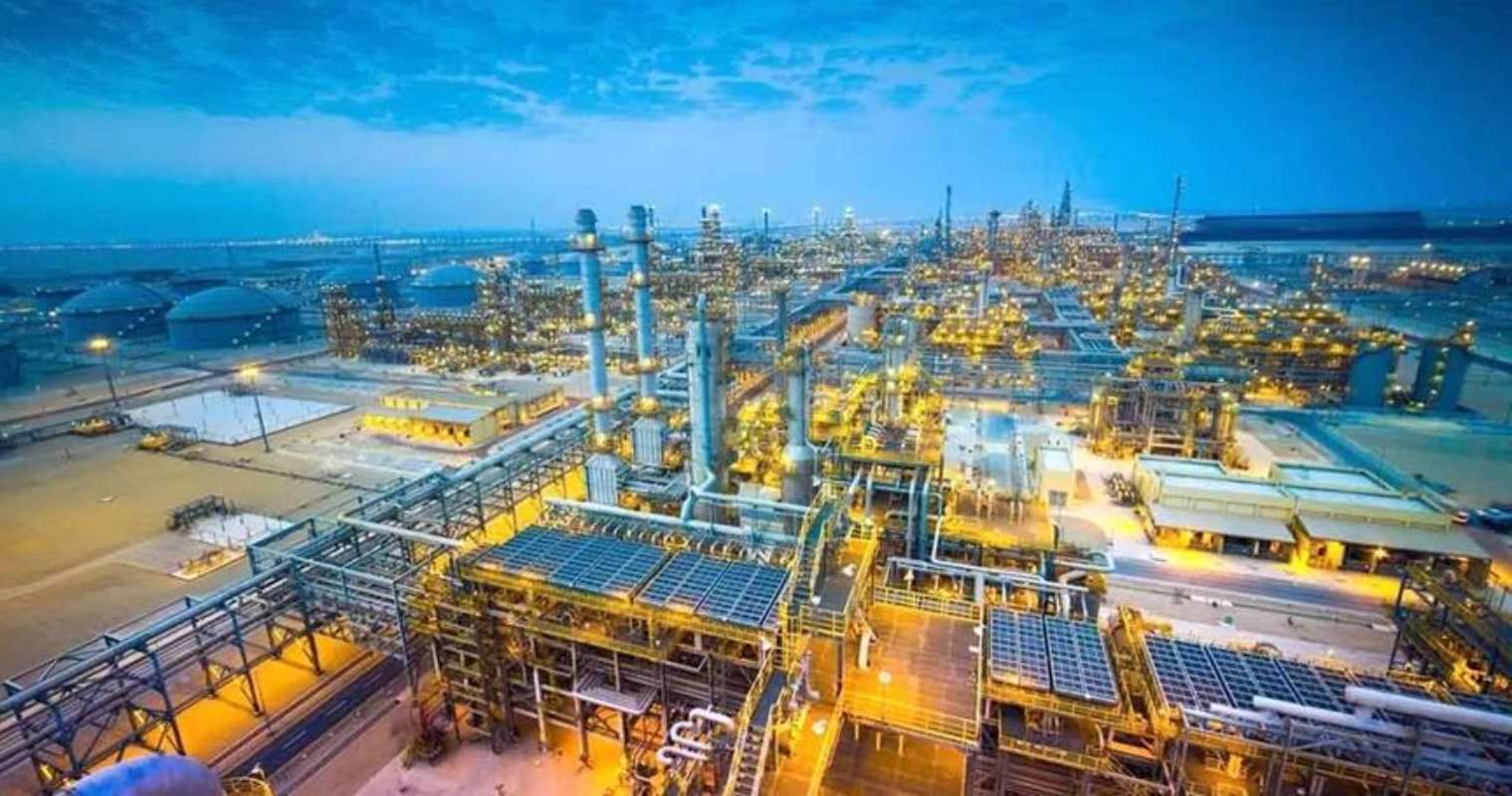
Why Refineries Matter More Than Oil Reserves
The traditional understanding of energy security was shaped by the 1973 oil embargo.
Governments focused on access to reserves, diversification of crude suppliers and the accumulation of strategic petroleum stocks.
Those measures remain important.
But they cannot fully address a shortage of refining capacity.
As energy trader Nikhil Agarwal of Globestar Energy explained in comments cited by The National:
“Crude is surplus globally, but there is no refining capacity available to refine it and bring it to market.”
The distinction is crucial.
Crude oil can often be redirected between suppliers and buyers.
Refineries, however, are complex industrial facilities designed to process particular types of crude and produce specific combinations of petroleum products.
Not every refinery can rapidly increase diesel production.
Not every plant can process the same feedstocks.
And new refining facilities cannot be constructed quickly enough to resolve a sudden global shortage.
According to the International Energy Agency’s September 2026 Oil Market Report, Gulf net exports of diesel and gasoil fell to approximately 390,000 barrels per day in August, around one-quarter of prewar levels.
US diesel prices exceeded $200 per barrel, according to the same source analysis.
Meanwhile, American refineries were operating at approximately 97.4% of capacity in late August.
That left limited room to increase production.
The central problem was no longer the availability of crude oil. It was the shortage of facilities capable of converting that crude into usable fuel.
China and the United States Dominate Global Refining Capacity
Global refining capacity is concentrated among a relatively small number of major economies.
According to figures attributed to the Energy Institute’s Statistical Review, worldwide capacity stands at approximately 103.8 million barrels per day.
Together, China and the United States account for more than one-third of global refining capacity.
Other major refining centres include Russia, India, South Korea and Saudi Arabia.
However, total capacity does not automatically translate into geopolitical leverage.
The decisive factor is the ability to produce more fuel than domestic consumers require and export the surplus.
That gives a smaller group of countries significant influence over international markets.
In the present crisis, the United States, India, South Korea and potentially China have emerged as particularly important suppliers.
Their governments can influence global fuel availability through export regulations, taxation and domestic supply priorities.
Washington’s Diesel Exports Have Become a Geopolitical Weapon
The United States occupies a particularly important position.
Refineries along the US Gulf Coast have exported more than 1.5 million barrels per day of distillate fuels during periods of the crisis, according to the source analysis.
These exports have helped compensate for shortages elsewhere.
But they have also generated political pressure inside the United States.
Domestic diesel inventories fell to unusually low seasonal levels, raising concerns about fuel prices for American consumers and businesses.
The Trump administration consequently considered restrictions on diesel exports.
On September 22, President Donald Trump told reporters:
“I said let’s not send out the diesel.”
The statement reflected the growing tension between domestic fuel security and international supply commitments.
For Europe, the implications were particularly serious.
According to figures cited by Euronews, the United States supplied approximately half of the European Union’s diesel imports in August.
Any substantial restriction on American exports could therefore create immediate difficulties for European buyers.
The issue demonstrates how domestic political decisions in Washington can directly affect Europe’s energy security.
Even without a formal embargo, pressure on American refiners to prioritise domestic markets could tighten international supplies.
India and South Korea Are Becoming Critical Fuel Suppliers
India has emerged as another important source of refined petroleum products.
Its large refining industry, particularly the Jamnagar complex operated by Reliance Industries, gives the country substantial export capabilities.
According to the source analysis, Reliance loaded approximately four to five million barrels of diesel for Europe in July.
These shipments helped address shortages caused by disruptions in the Gulf and Russia.
South Korea has also become an important supplier.
Korean fuel cargoes have travelled approximately 19,000 kilometres to reach northwestern Europe.
Such journeys illustrate the extraordinary distances that refined petroleum products must now travel to reach import-dependent markets.
But longer shipping routes also increase transport costs, tie up tanker capacity and expose deliveries to additional geopolitical risks.
India’s decision to increase export duties on diesel and jet fuel further illustrates how governments can influence the availability of refined products.
Countries with significant export capacity can prioritise domestic consumers, raise export costs or redirect supplies according to national economic interests.
That creates a new hierarchy of energy influence.
China Holds a Powerful Card: The Ability to Release More Fuel
China’s position is especially significant.
It possesses the world’s largest refining capacity, but its export decisions are heavily influenced by government policy.
According to the original analysis, Beijing instructed refiners to stop signing new export contracts before permitting limited additional shipments.
The source cites export allowances of approximately 800,000 tonnes in July and 2.7 million tonnes in August.
These decisions show that China has the industrial capacity to influence international refined fuel markets.
However, whether that capacity translates into additional global supply depends on Beijing’s willingness to authorise exports.
This creates a potentially important geopolitical dependency.
If Europe requires additional diesel during a supply crisis, Chinese export policy could become a significant factor in determining market availability.
The situation resembles earlier debates over Europe’s dependence on external suppliers of critical raw materials and industrial technologies.
But this time the strategic commodity is not a rare mineral or advanced semiconductor.
It is diesel.
Hormuz Is No Longer the Only Energy Chokepoint
The geography of fuel transportation adds another layer of vulnerability.
Crude oil can increasingly bypass the Strait of Hormuz through pipelines.
According to the analysis, approximately 40% of Gulf crude exports now use alternative pipeline routes, compared with 17% before the war.
Refined petroleum products have fewer comparable alternatives.
They often travel in smaller tankers over longer distances.
For Europe, these routes can involve another strategically sensitive passage: the Bab el-Mandeb Strait, connecting the Red Sea with the Gulf of Aden.
The original analysis reports that Houthi forces captured Perim Island in September, increasing their influence over maritime traffic through the area.
The Bab el-Mandeb is an important route for energy shipments moving between Asia, the Middle East and Europe.
Disruptions there can force vessels to sail around the Cape of Good Hope.
According to the source, such diversions can add more than 20 days to some journeys.
Longer routes increase shipping costs and reduce the number of cargoes that available tankers can transport.
A shortage of refined products can therefore become more severe when shipping routes are simultaneously disrupted.
Strategic Oil Reserves Cannot Solve a Diesel Shortage
Strategic petroleum reserves have traditionally been a cornerstone of energy security.
Governments accumulate emergency stocks to protect their economies against major supply disruptions.
However, most strategic reserves are held primarily in crude oil.
The United States Strategic Petroleum Reserve, for example, stores crude rather than finished diesel or aviation fuel.
That creates a significant limitation during a refining crisis.
Crude oil held in storage cannot immediately fuel a truck, aircraft or industrial machine.
It must first be processed.
If refineries are already operating near maximum capacity, releasing additional crude may have only a limited effect on the availability of finished products.
According to the original analysis, observed global oil inventories declined by approximately 507 million barrels after February.
Diesel stocks in the Amsterdam-Rotterdam-Antwerp trading hub also fell to around 12 million barrels in late August, a four-year low.
Before the war, the Middle East supplied nearly 60% of OECD Europe’s jet fuel imports originating outside the region, according to the cited industry reporting.
The disruption therefore affected both diesel and aviation fuel supply chains.
The lesson is clear: strategic reserves must be evaluated not only by the number of crude barrels available, but also by the capacity to convert those barrels into the products required by the economy.
Three Possible Paths for the Fuel Market
The original analysis identifies three broad scenarios for the months ahead.
Scenario One: A Tight but Manageable Market
Under this scenario, crude flows through Hormuz remain close to normal while Gulf refineries gradually restore production.
The United States avoids a formal diesel export ban, and governments coordinate additional emergency measures to ease shortages.
Diesel prices remain elevated relative to crude, but widespread rationing is avoided.
The central assumption is that no further major refining facilities are damaged.
Scenario Two: Another Supply Shock
A more severe outcome would emerge if Washington imposed substantial diesel export restrictions while attacks or disruptions affected product tankers in the Red Sea.
Europe could then face simultaneous pressure on its principal supplier and alternative shipping routes.
Possible consequences would include higher transport costs, further inflationary pressure and fuel allocation measures in especially vulnerable markets.
Aviation and freight operations could also face additional disruption.
Scenario Three: China Expands Exports
A more favourable supply outcome could develop if diplomatic progress reduced risks to Gulf shipping and Beijing authorised substantially larger exports of refined products.
Additional Chinese fuel could ease pressure on diesel markets.
However, such a development would also demonstrate the importance of Chinese industrial and export policy to Europe’s energy security.
These are scenarios rather than established forecasts. Their outcomes depend on military developments, refinery recovery, government decisions and shipping conditions.
Europe’s Energy Security Strategy Faces a New Test
For Europe, the crisis raises questions that extend beyond the immediate shortage.
The continent has spent years seeking to diversify its energy imports, reduce dependence on Russian hydrocarbons and accelerate the transition toward lower-carbon technologies.
Yet the disruption has revealed the continuing importance of domestic refining infrastructure.
A refinery closure may appear economically rational under normal market conditions.
During a major geopolitical crisis, however, the loss of domestic processing capacity can increase dependence on foreign suppliers.
This does not eliminate the case for energy transition policies.
It does suggest that governments must pay closer attention to the resilience of fuel supply chains during the transition.
The relevant questions include how much refining capacity should be retained, whether strategic stocks should include more finished fuels and how import routes can be diversified.
For European governments, energy security is increasingly about the entire supply chain rather than access to crude alone.
The New Geography of Energy Power
The crisis of 2026 has exposed a major shift in the geography of global energy influence.
Oil-producing states remain important, and control over crude reserves continues to shape international markets.
But the ability to refine oil into usable products has become a separate source of strategic power.
Countries with large export-oriented refining industries can influence international fuel availability through production decisions and government policies.
The United States can affect European diesel supplies through export restrictions.
India can influence prices through refining output and export duties.
South Korea can supply distant markets through its industrial capacity.
China can alter market conditions by expanding or limiting export quotas.
Meanwhile, countries that have reduced their domestic refining capabilities may find themselves increasingly exposed to decisions made abroad.
In 1973, the world learned that control over oil production could bring entire economies under pressure. In 2026, it is confronting a different vulnerability: control over the refineries that turn crude into usable fuel can be just as consequential.
The next chapter of energy geopolitics may therefore be written not only in oilfields and shipping straits, but also inside the world’s largest refining complexes.
Oil reserves determine who possesses the raw material. Refining capacity increasingly determines who can keep the global economy moving.
Source: pagenews.gr
Διαβάστε όλες τις τελευταίες Ειδήσεις από την Ελλάδα και τον Κόσμο