


Athens Goes All-In: Greece Emerges as Europe’s New Energy Power Broker
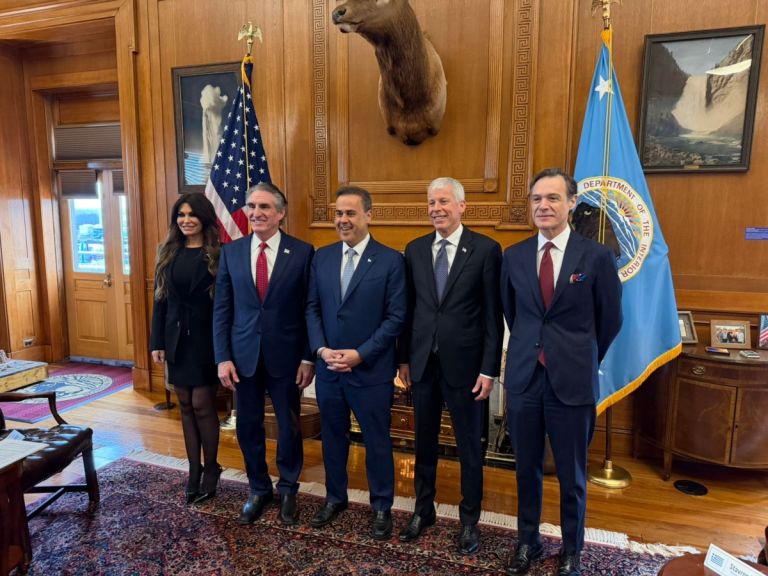
Πηγή Φωτογραφίας: Ministry of Energy//Athens Goes All-In: Greece Emerges as Europe’s New Energy Power Broker



Greece is no longer content with being a peripheral player in Europe’s energy map. It is now positioning itself as a central pillar in the continent’s emerging energy architecture.
The recent meetings in Washington between Environment and Energy Minister Stavros Papastavrou and top U.S. officials — Interior Secretary Doug Burgum and Energy Secretary Chris Wright — underscored the strategic upgrade of Greece’s geopolitical role.
The presence of senior diplomatic representatives from both sides further highlighted that this was not a routine courtesy call, but a strategic alignment on energy security and transatlantic cooperation.
The Vertical Corridor and the LNG Geopolitics
At the heart of the talks was the Vertical Corridor, a northbound natural gas route linking Greece with the Balkans and Central Europe.
By facilitating gas flows from south to north, Greece is increasingly presented as a gateway for U.S. LNG into Europe, reinforcing the EU’s broader effort to diversify away from Russian hydrocarbons.
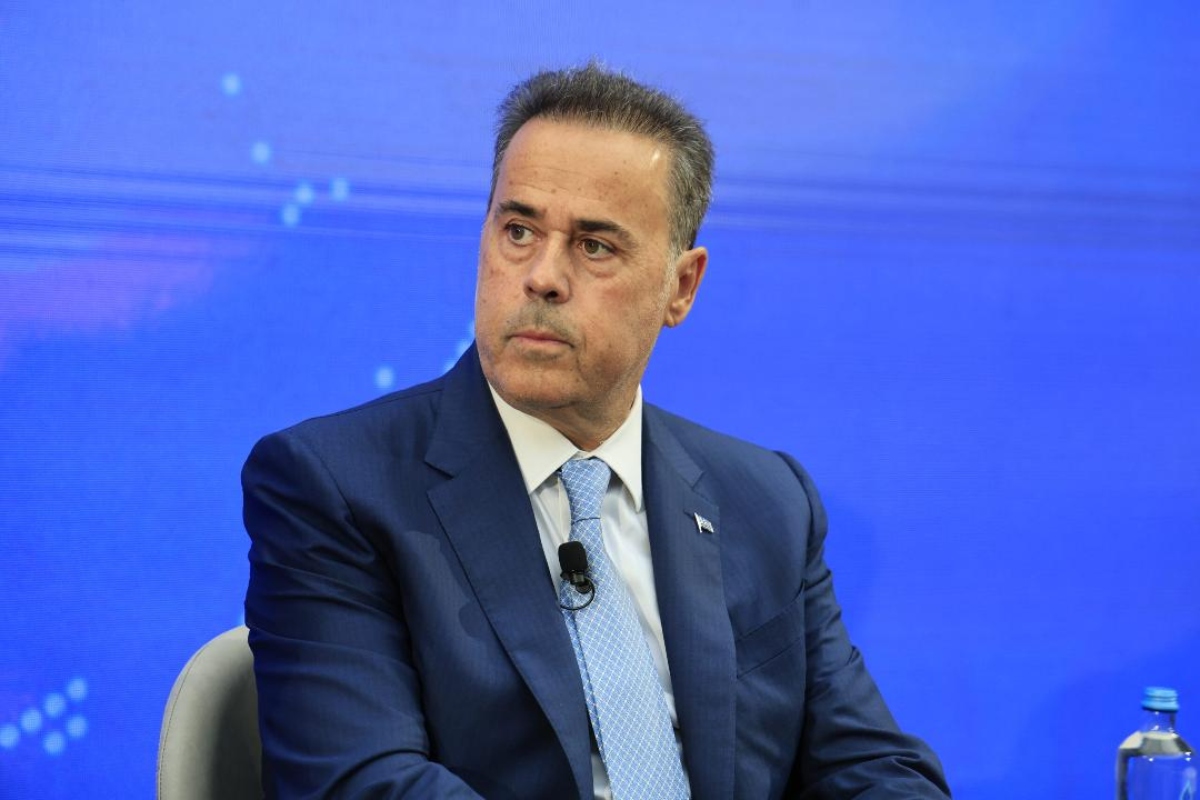
Papastavrou stressed that “Greece paved the way for the Vertical Corridor,” framing the infrastructure as both an economic and geopolitical asset.
The message from Athens is clear: energy transit is no longer a technical matter — it is a tool of influence.
From Transit Hub to Hydrocarbon Producer?
Perhaps the most ambitious element of Greece’s strategy is its declared intention to expand domestic hydrocarbon exploration and production.
“Today Greece is an entry point for American natural gas. Tomorrow, we aspire to produce natural gas for the benefit of our country and Europe,” the minister stated.
This shift signals a potential evolution from energy transit hub to regional producer, a move that would significantly elevate Greece’s leverage within the European energy system.
As Papastavrou put it: “Energy is power — power of security, power of growth and international influence.”
In government circles, energy policy is now explicitly viewed as an extension of foreign policy.
The Political Undercurrent: Congress Matters
Beyond the official meetings, Papastavrou’s contacts with Senator James Risch and Representatives Chuck Fleischmann and Randy Weber carry significant weight.
In Washington, energy strategy often runs through Capitol Hill. Securing congressional goodwill may prove critical for future LNG flows, infrastructure financing, and potential upstream investments involving U.S. stakeholders.
Behind the scenes, officials see a favorable window: the U.S. is actively seeking stable allies to channel LNG into Europe, and Greece is presenting itself as a predictable and strategically reliable partner in the Eastern Mediterranean.
The Balancing Act: Energy Security vs. Green Transition
Yet the opportunity comes with a delicate balancing act.
Greece must:
- Convert political momentum into tangible infrastructure and sustained gas flows.
- Maintain credibility in its green transition commitments, ensuring that hydrocarbon ambitions do not derail climate goals.
Washington may serve as a catalyst for Greece’s energy upgrade, but execution will determine whether the country truly consolidates its role as a regional energy power broker.
In an era where energy once again shapes global alignments, Greece appears determined to move from the sidelines to the center of the geopolitical chessboard.
Διαβάστε όλες τις τελευταίες Ειδήσεις από την Ελλάδα και τον Κόσμο






Το σχόλιο σας