Athens Becomes the Global Maritime Hub with 2,000 Exhibitors from 83 Countries–AI,Security,Energy in Focus
 ΧΡΟΝΟΣ ΑΝΑΓΝΩΣΗΣ 4 '
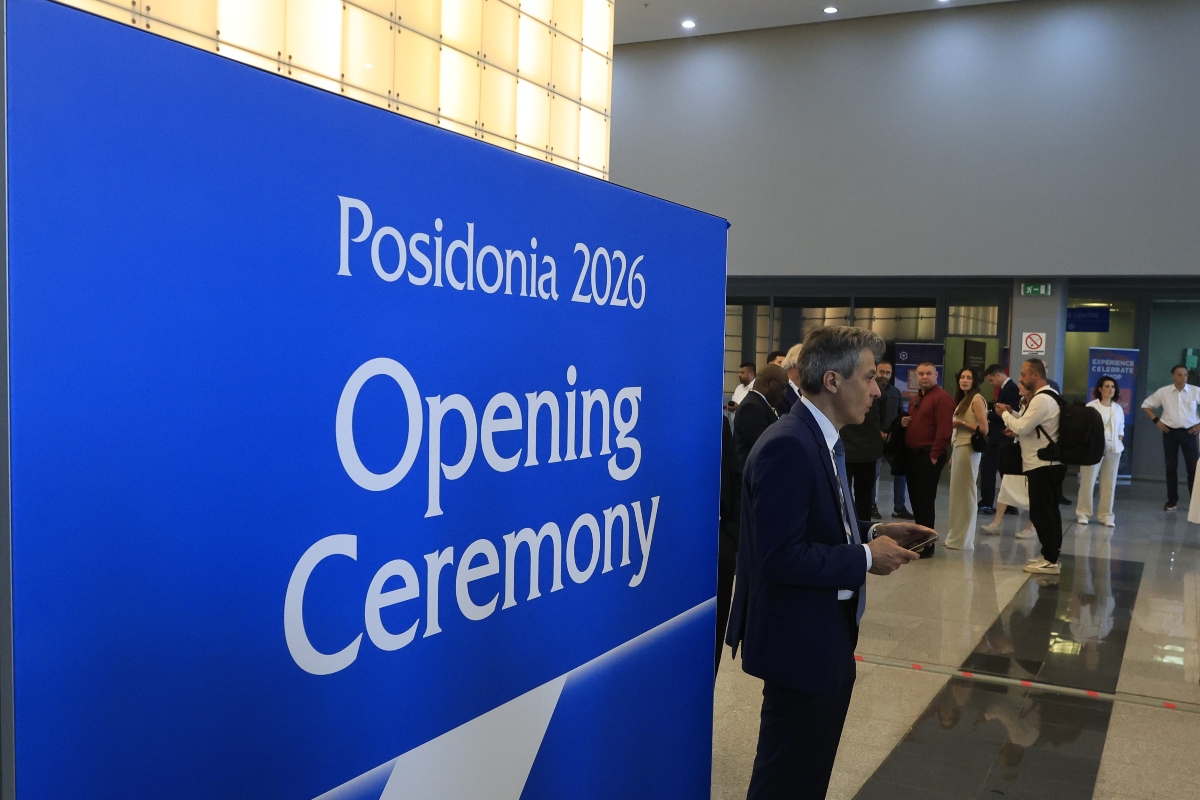
Πηγή Φωτογραφίας: (ΓΙΩΡΓΟΣ ΚΟΝΤΑΡΙΝΗΣ / EUROKINISSI)//Athens Becomes the Global Maritime Hub with 2,000 Exhibitors from 83 Countries – AI, Security and Energy in Focus



From today, June 1, Athens is no longer just a host city for an international exhibition.
It becomes a global decision-making hub for the maritime industry.
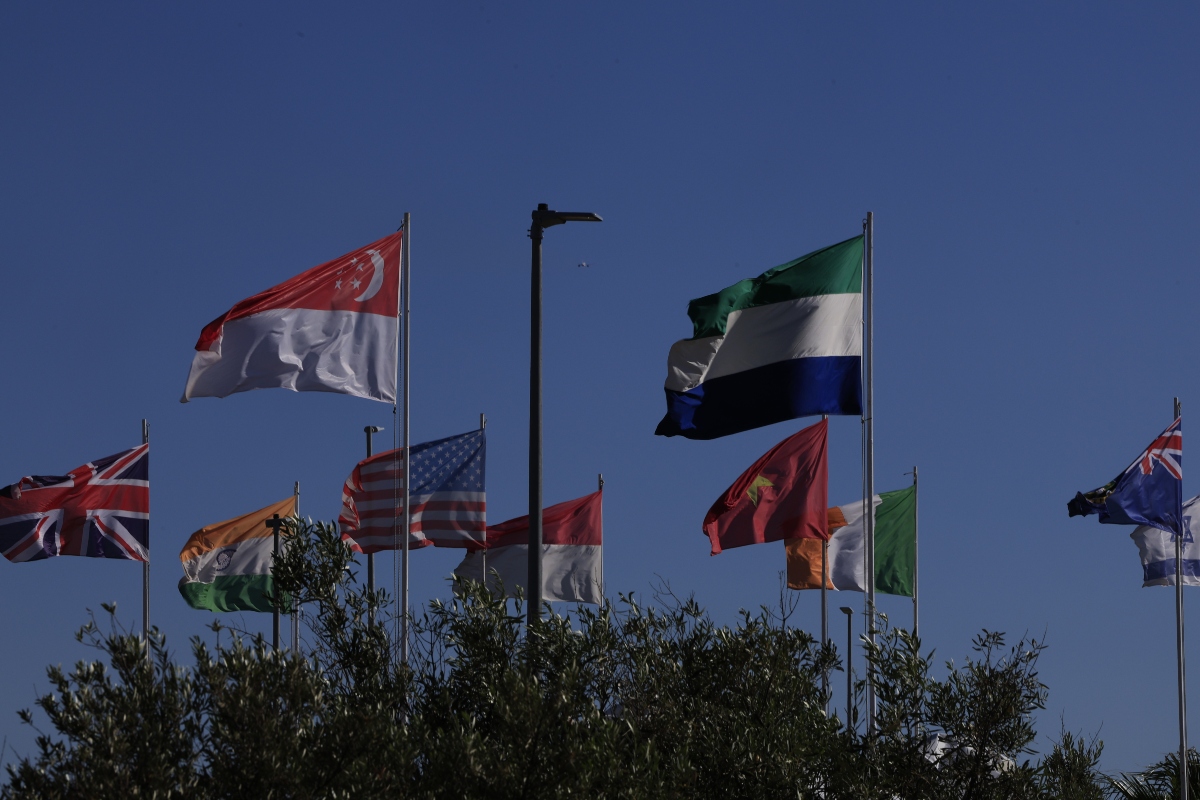
Posidonia 2026 opens its doors at the “Eleftherios Venizelos” Exhibition Centre, bringing together an unprecedented concentration of power, capital, and technology: over 2,000 exhibitors from 83 countries, 24 national pavilions, government delegations, top shipowners, energy majors, and international organizations.
Industry insiders are already calling it the largest edition in the event’s history.
Power behind closed doors: the real conversations at Posidonia
Beyond the polished booths and corporate presentations, a parallel high-stakes reality unfolds.
In private meetings, shipping executives, bankers, insurers, and investment funds are mapping a market shaped less by trade cycles and more by volatility.
“We are no longer just discussing freight rates and fleet expansion. We are discussing survival risk in certain sea lanes,” says a senior European shipping executive.
Attention is focused on the Middle East shipping corridors, the Strait of Hormuz, and the escalating threat landscape involving drones, missiles, and hybrid warfare risks.
Shipping, many argue, is no longer only about logistics.
It is about crisis management.
AI on the bridge: ships turning into intelligent systems
If one topic dominates Posidonia 2026, it is artificial intelligence.
More than 30 companies are showcasing AI-driven maritime solutions, transforming vessels into real-time data and decision-making platforms.
These systems:
- optimize voyage routes
- reduce fuel consumption
- predict machinery failures
- cut CO₂ emissions
The principle is simple yet transformative:
small efficiency gains per voyage translate into millions in fleet-wide savings.
The rise of digital twins enables real-time virtual replicas of vessels, while machine learning systems detect anomalies before they escalate into costly breakdowns.
“Ships are no longer just sailing. They are learning,” notes a maritime technology analyst.
Fuel transition: a race with no clear winner
Alongside AI, another strategic battle is unfolding: the future of marine energy.
Methanol, ammonia, LNG, and biofuels are all competing to define the next decade of shipping propulsion.
More than 100 companies are presenting decarbonization solutions, under pressure from tightening regulations and rising compliance costs.
Yet behind the showcases, uncertainty remains dominant.
“No one knows the winning fuel yet. Everyone is hedging across multiple scenarios,” says an energy sector executive.
Insurance under pressure: drones, missiles, and surging risk premiums
Geopolitical instability is already reshaping marine insurance markets.
Drone and missile attacks have turned key maritime routes into high-risk zones, with the Strait of Hormuz at the center of global concern.
War risk premiums have surged from around 0.25% to as high as 7.5% of a vessel’s value, fundamentally altering shipping economics.
“Coverage is still available. But cost is now a strategic decision, not just a budget line,” notes an insurance market participant attending the event.
As a result, many vessels remain anchored, while routing strategies are constantly being revised.
Greece at the center of a global maritime ecosystem
Beyond geopolitics and technology, Posidonia 2026 is also a major economic engine for Greece.
The total impact is estimated to exceed €100 million, driven by tourism, hospitality, transport, and professional services.
Thousands of international visitors arrive days before the exhibition opens, reinforcing Greece’s position not just as a venue—but as a strategic maritime crossroads.
An industry at a turning point
As Posidonia 2026 begins, one reality stands out:
The maritime industry is not simply evolving.
It is being redefined.
Between war-risk volatility and artificial intelligence, fuel transition uncertainty and rising insurance pressure, the decisions made in Athens this week will resonate far beyond shipping.
They will shape the future of global trade itself.
Source: pagenews.gr
Διαβάστε όλες τις τελευταίες Ειδήσεις από την Ελλάδα και τον Κόσμο