Europe’s Strategic Awakening Faces Its Greatest Test: Who Decides When Deterrence Becomes War?
 ΧΡΟΝΟΣ ΑΝΑΓΝΩΣΗΣ 9 '
Πηγή Φωτογραφίας: AP/Europe's Strategic Awakening Faces Its Greatest Test: Who Decides When Deterrence Becomes War?


Europe Is Rearming Faster Than It Is Integrating
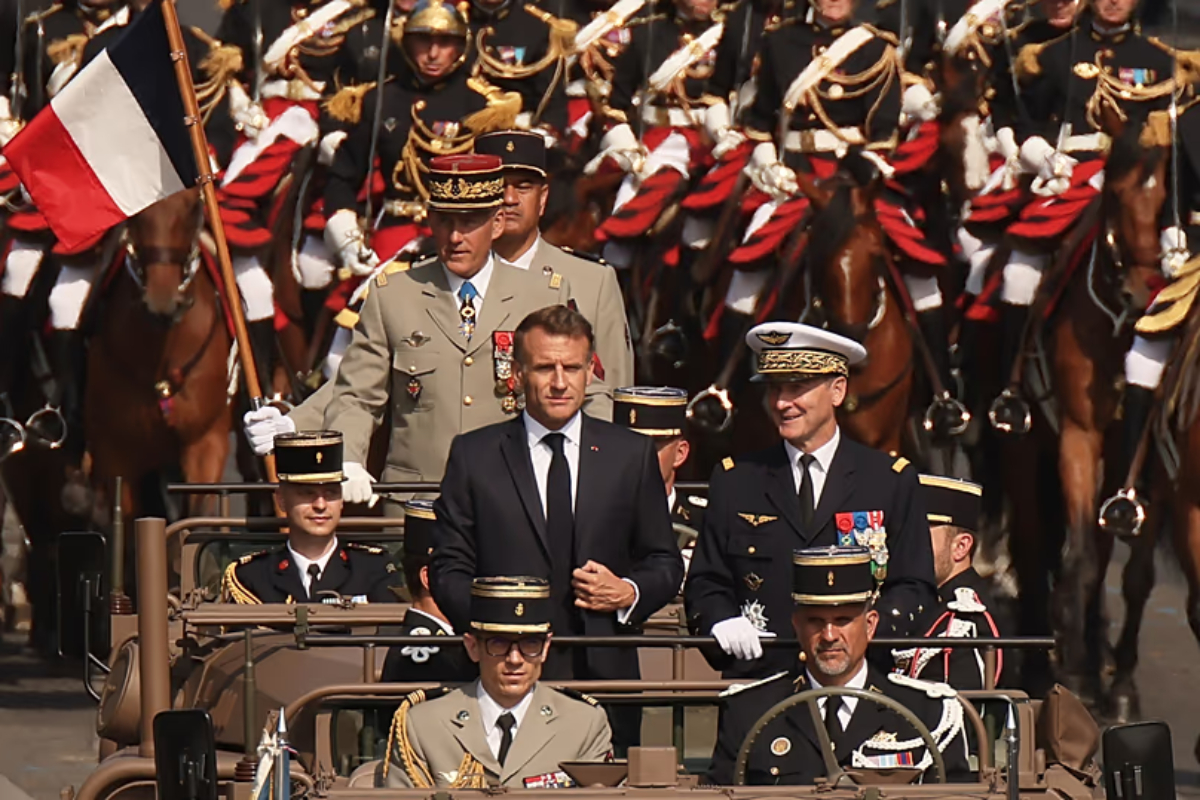
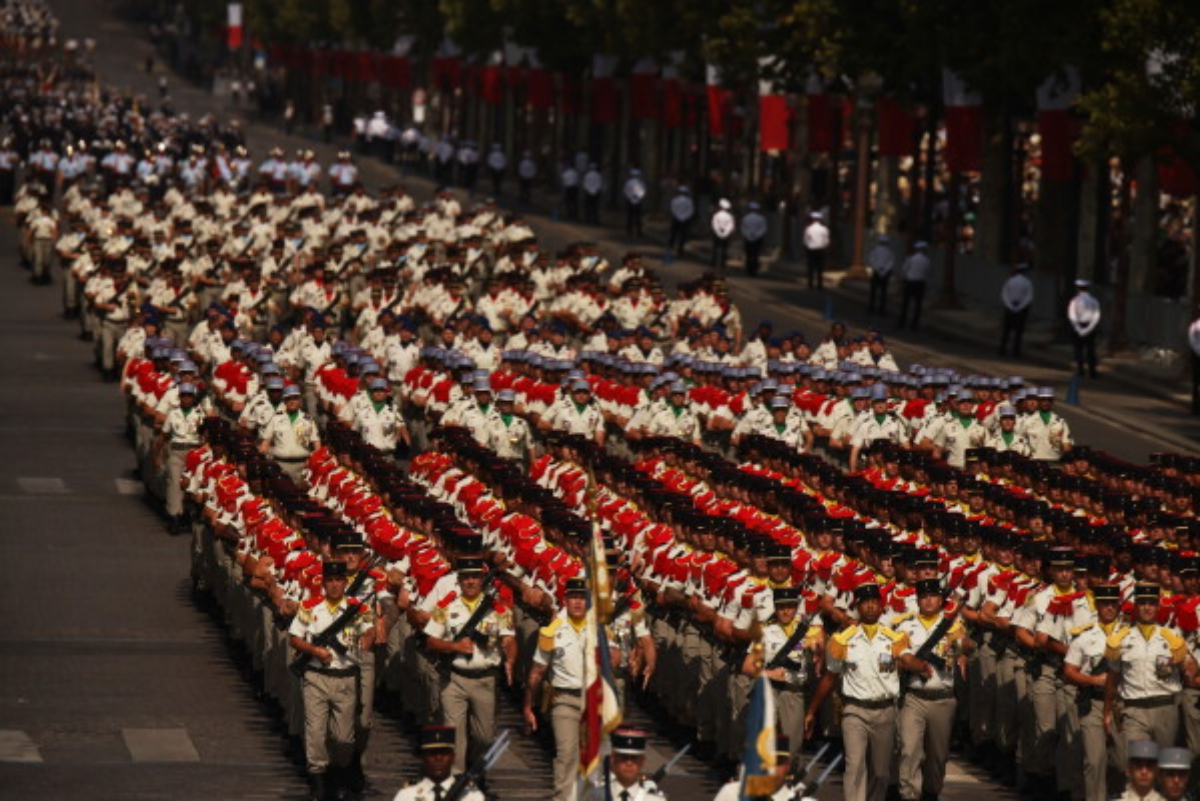
The military ceremonies held in Paris on 13–14 July were intended to showcase Europe’s strategic awakening.
French President Emmanuel Macron presented France as both a leading military power and a driving force behind Europe’s growing defence ambitions. Alongside the annual Bastille Day parade, France hosted the Coalition of the Willing, bringing together more than thirty governments committed to supporting Ukraine and strengthening European security.
The message was unmistakable: Europe is preparing to assume greater responsibility for its own defence.
Yet the events also exposed a deeper structural weakness.
Europe is accumulating military power—but not political unity.
Δείτε αυτή τη δημοσίευση στο Instagram.Η δημοσίευση κοινοποιήθηκε από το χρήστη Getty Images Reportage (@gettyreportage)
The Missing Link: A Common Decision-Making Authority
European countries are increasing defence spending, expanding military production and developing joint security initiatives at an unprecedented pace.
However, every major military decision still rests with national governments.
Unlike a federal state, the European Union has no single political authority capable of committing military force on behalf of all Member States.
This institutional reality creates a strategic dilemma.
An adversary may recognize Europe’s growing military strength while simultaneously questioning whether thirty sovereign governments could agree quickly enough during a major crisis.
Deterrence ultimately depends not only on weapons, but also on credible political decision-making.
Δείτε αυτή τη δημοσίευση στο Instagram.Η δημοσίευση κοινοποιήθηκε από το χρήστη UNITED24Media (@united24.media)
France Leads—But Cannot Command Europe
France currently occupies a unique position within the European Union.
It remains the EU’s only nuclear power and possesses one of Europe’s most capable armed forces.
President Macron has repeatedly argued that Europe must achieve greater strategic autonomy while preserving France’s independent nuclear deterrent.
Nevertheless, Paris cannot automatically extend French military decisions to the rest of Europe.
France can convene coalitions.
It cannot command them.
That distinction became particularly evident during the Paris summit, where France, Germany and the United Kingdom jointly led discussions, but every participating nation retained full sovereign control over its own military commitments.
America’s Uncertain Future Accelerates European Defence
The urgency behind Europe’s defence transformation is closely linked to growing uncertainty surrounding the United States.
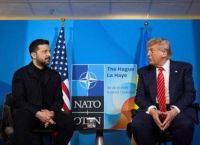
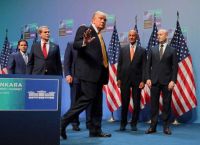
Statements by President Donald Trump questioning America’s long-term military presence in Europe have fundamentally altered strategic thinking across European capitals.
Although NATO continues to reaffirm its commitment to Article 5 collective defence, European leaders increasingly recognize that they must prepare for scenarios in which Washington reduces its security role.
Europe therefore finds itself in an unusual position.
It must build strategic autonomy while remaining dependent on the very alliance structure it may eventually need to supplement.
Ukraine Has Become Europe’s Strategic Catalyst
Russia’s invasion of Ukraine has fundamentally reshaped European defence policy.
Military budgets have increased dramatically.
Joint missile-defence initiatives are expanding.
Defence-industrial cooperation is accelerating.
New multinational formations are being prepared to support Ukraine after any future ceasefire.
Yet despite this impressive progress, the essential political question remains unresolved:
Who ultimately decides when European support becomes European war?
Until that question receives a common institutional answer, Europe’s strategic autonomy will remain incomplete.
Europe’s Defence Enters a New Era
The Paris events demonstrated that Europe has entered the most significant phase of defence transformation since the end of the Cold War.
The continent is no longer relying solely on American military leadership.
Instead, European governments are investing heavily in defence capabilities, industrial cooperation and strategic resilience.
However, military capacity alone cannot guarantee security.
True deterrence requires both credible military power and credible political authority.
Europe has made remarkable progress in building the first.
The second remains its greatest strategic challenge.
Europe’s strategic awakening is no longer a political slogan—it is becoming an operational reality. Defence spending is rising, military cooperation is deepening and the continent is gradually preparing for a more autonomous security role. Yet the ultimate measure of strategic power is not simply the number of troops or weapons available. It is the existence of a clear, unified political decision-making process capable of acting swiftly when deterrence fails. Until Europe bridges that institutional gap, its growing military strength will remain constrained by fragmented sovereignty rather than transformed into fully credible collective defence.
Πηγή: Pagenews.gr
Διαβάστε όλες τις τελευταίες Ειδήσεις από την Ελλάδα και τον Κόσμο