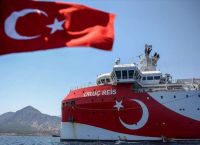
“Gerapetritis Draws the Line: Greece Hardens Its Stance on Turkey and Libya”
 ΧΡΟΝΟΣ ΑΝΑΓΝΩΣΗΣ 3 '

Πηγή Φωτογραφίας: eurokinissi//“Gerapetritis Draws the Line: Greece Hardens Its Stance on Turkey and Libya”



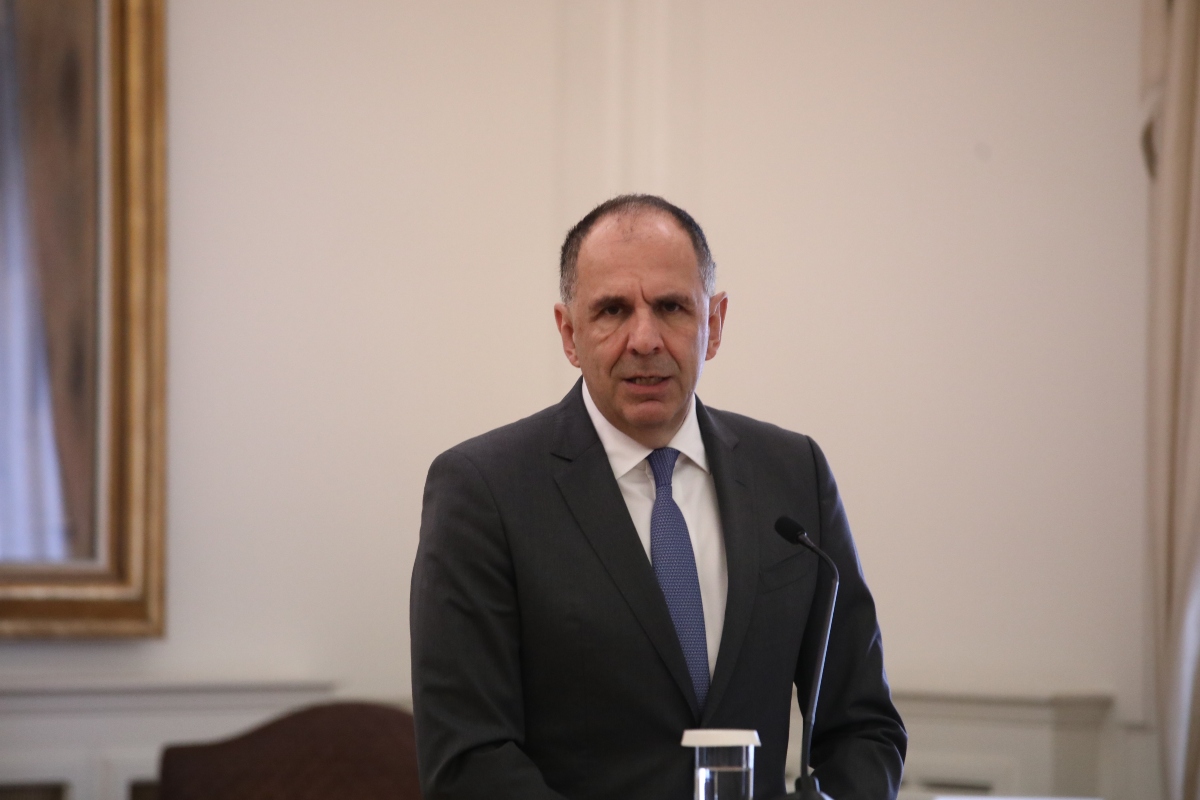
Greek Foreign Minister Giorgos Gerapetritis has delivered one of his most forceful geopolitical messages to date, signalling that Greece will not accept unilateral actions or speculative legal claims over maritime zones—whether originating from Ankara or emerging through regional power plays in North Africa.
The message is clear: dialogue continues, but strategic red lines are non-negotiable.
THE AEGEAN: RED LINES WITHOUT AMBIGUITY
At the centre of rising regional tension is Greece’s enduring dispute with Turkey over maritime zones and jurisdiction in the Aegean and Eastern Mediterranean.
Athens has drawn a firm legal and political boundary:
- No acceptance of unilateral maritime “mapping” or declarations
- No recognition of de facto territorial narratives
- No policy shaped by media leaks or unofficial drafts
Gerapetritis’ remarks reflect a deliberate effort to prevent what Athens sees as “creeping normalization” of unilateral claims.
DIPLOMACY WITH ANKARA: ENGAGEMENT WITHOUT ILLUSIONS
Despite ongoing diplomatic channels with Turkish Foreign Minister Hakan Fidan, Greek officials openly acknowledge that core disagreements remain structurally unchanged.
The Greek approach is increasingly defined by a dual track:
- sustained communication channels
- reinforced deterrence posture
In practical terms, Athens is betting on stability through controlled tension rather than unresolved escalation.
LIBYA: THE SOUTHERN FRONTIER OF COMPETITION
In parallel, Greece is intensifying its diplomatic engagement with Libya, a country fragmented between rival administrations and external influence networks.
Athens is now engaging both Tripoli and Benghazi in an effort to:
- rebuild diplomatic leverage
- counterbalance the 2019 Turkey–Libya maritime memorandum
- create conditions for a legally binding maritime delimitation in the future
Libya has effectively become the southern hinge of Eastern Mediterranean geopolitics.
THE STRATEGIC MAP: A FRAGMENTED MEDITERRANEAN
The Eastern Mediterranean is no longer a regional dispute zone—it is a multi-layered geopolitical system where maritime law, energy exploration, and migration routes intersect.
Key pressure points include:
- contested Exclusive Economic Zones (EEZs)
- overlapping energy exploration claims
- fragile North African governance structures
- increasing naval signalling and deterrence activity
Greece positions itself as a stabilizing legal anchor within this volatile environment.
MIGRATION AND AFRICA: THE STRUCTURAL SHOCK
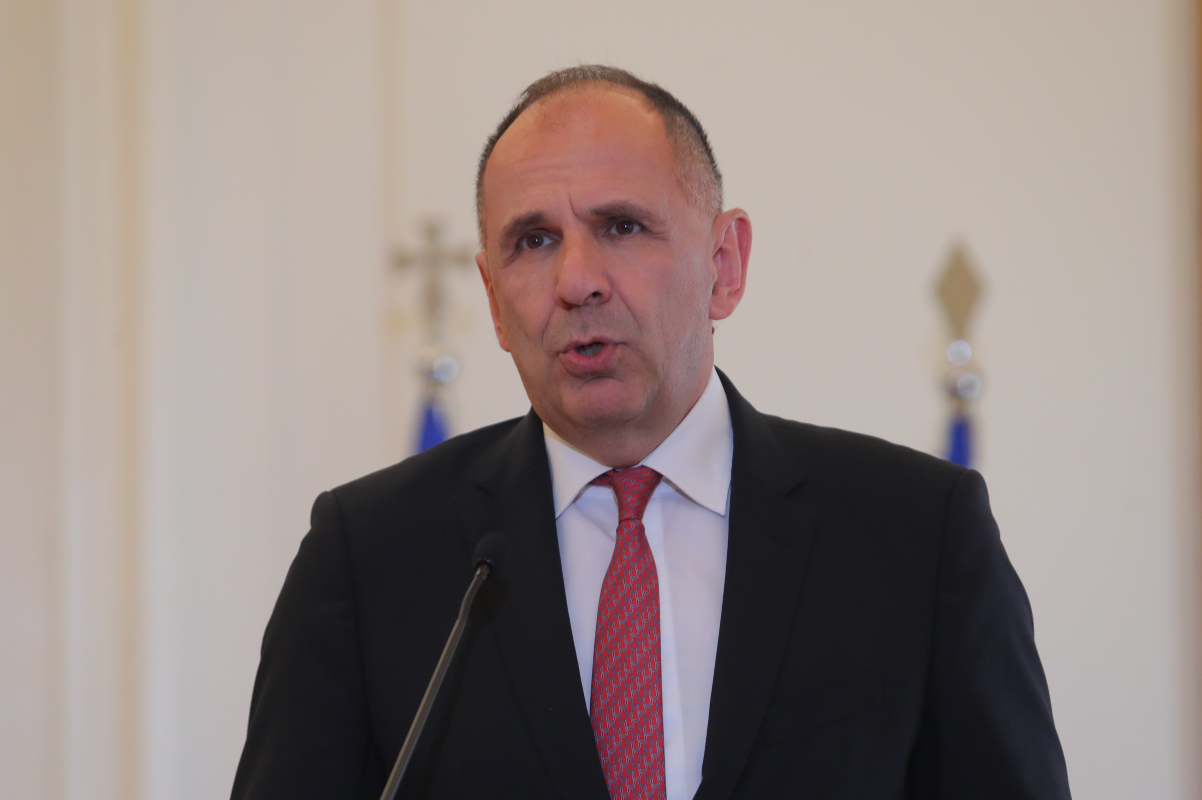
Gerapetritis also highlighted instability in Sub-Saharan Africa—particularly Sudan—as a structural driver of migration pressure toward Europe.
This reframes migration not as a border management issue, but as a systemic geopolitical shock emerging from state collapse, conflict, and demographic stress.
The Mediterranean, in this reading, is becoming the first containment line of deeper continental instability.
The message from Giorgos Gerapetritis reflects a broader shift in Greek foreign policy: from reactive diplomacy to structured deterrence.
In an increasingly fragmented Eastern Mediterranean, Athens is attempting to enforce a simple principle—dialogue is open, but sovereignty is not negotiable, and unilateralism will not be allowed to harden into precedent.
Source: pagenews.gr
Διαβάστε όλες τις τελευταίες Ειδήσεις από την Ελλάδα και τον Κόσμο