From the brink of war to a diplomatic gamble
In the span of just a few hours, Washington shifted from threatening devastating military strikes against Iran to unveiling what President Donald Trump described as a near-complete diplomatic breakthrough.
The dramatic reversal has temporarily pulled the United States and Iran back from the edge of direct confrontation. But it has also created a geopolitical paradox: Washington appears to have suspended its military options before securing a clear and public commitment from Tehran.
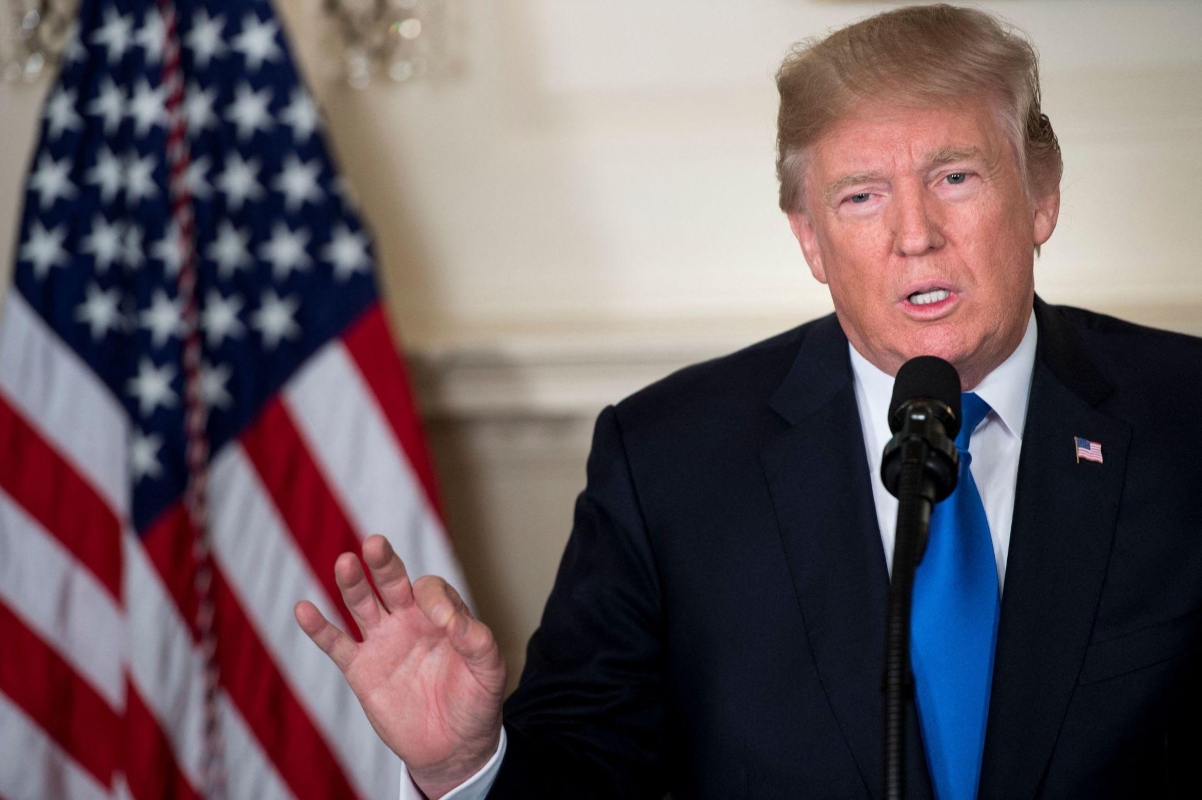
Only hours after warning that the United States would hit Iran “very hard,” Trump announced from the Oval Office that planned strikes had been canceled. According to the U.S. president, negotiations had reached a stage where the emerging framework had already been approved at the “highest level” of Iran’s leadership.
The problem for the White House is simple: Tehran has not publicly confirmed that claim.


A deal that exists—so far—mostly in Washington
Trump portrayed the talks as being on the verge of success.
He described the draft as a “very strong” and highly detailed memorandum of understanding and suggested that formal signatures could be secured as early as this weekend in Europe. Vice President J.D. Vance and special envoy Steve Witkoff are expected to represent the United States during the next phase of negotiations.
The White House narrative suggests that a breakthrough is imminent.
Iran’s messaging tells a different story.
Iranian Foreign Ministry officials acknowledged substantial progress on the draft framework but simultaneously accused Washington of repeatedly shifting its negotiating positions throughout the process. Tehran also reiterated that its strategic “red lines” remain unchanged and non-negotiable.
The message from Iran was unmistakable: negotiations continue, but no final decision has been made.


Trump’s strategic vulnerability
The most significant challenge facing the White House is no longer military—it is political.
By publicly announcing a forthcoming agreement and shelving military options simultaneously, Trump has invested considerable political capital in a process whose outcome remains largely dependent on decisions being made in Tehran.
Should Iran delay, demand further concessions, or ultimately reject key provisions, Washington risks appearing to have backed away from military pressure without securing the outcome it promised.
For a president who has long built his political image around displays of strength, leverage, and unpredictability, such a scenario would represent a serious strategic and reputational setback.
Hormuz becomes the centerpiece
The stakes extend far beyond U.S.-Iran relations.
Trump directly linked the success of the agreement to the reopening of the Strait of Hormuz, one of the world’s most critical energy chokepoints. He argued that implementation of the memorandum would lead to the removal of restrictions on Iranian ports and the restoration of normal maritime traffic through the Gulf.
Energy markets are watching closely.
A sustainable de-escalation could significantly reduce geopolitical risk premiums in global oil prices, while any collapse of negotiations could trigger renewed fears of disruption to global energy flows.
Yet the broader security environment remains highly volatile. Iranian military forces remain on elevated alert, and tensions continue to simmer across the Gulf region, from Kuwait and Bahrain to Jordan and beyond.


Israel is already looking beyond the memorandum
In Jerusalem, attention is focused less on the memorandum itself and more on what comes after it.
Prime Minister Benjamin Netanyahu’s office confirmed consultations with Trump and reiterated that any final agreement must include far-reaching measures: removal of enriched nuclear material, dismantlement of enrichment infrastructure, restrictions on missile production, and an end to Iranian support for regional armed groups.
In other words, even if the memorandum is signed, the most difficult negotiations still lie ahead.
A ceasefire mechanism, not a final settlement
Former U.S. Army General Mark Kimmitt captured the reality of the moment when he argued that the memorandum should not be mistaken for a comprehensive resolution.
Rather, it functions as a mechanism to halt the current crisis, reopen strategic waterways, and create political space for more substantive negotiations.
The deeper disputes—Iran’s nuclear ambitions, missile capabilities, regional influence network, and long-term security architecture in the Middle East—remain unresolved.
Those are the battles that will define the next phase.


The bottom line
Trump’s abrupt shift from military escalation to diplomacy has opened a narrow corridor for de-escalation and temporarily reduced the risk of a direct U.S.-Iran conflict.
But the situation remains fundamentally asymmetric.
Washington is speaking as though a deal is nearly complete.
Tehran continues to describe it as a proposal under review.
Until Iran formally commits, the White House remains exposed to a diplomatic process it no longer fully controls. Trump has grounded the bombers, suspended the pressure campaign, and publicly embraced a diplomatic outcome.
Now he must wait for an answer that only Tehran can provide.
In geopolitics, that is often the most uncomfortable position of all.
Source: pagenews.gr