Pierrakakis Unveils New Debt Relief Package as Government Sets Sights on 2027 Elections
 ΧΡΟΝΟΣ ΑΝΑΓΝΩΣΗΣ 6 '
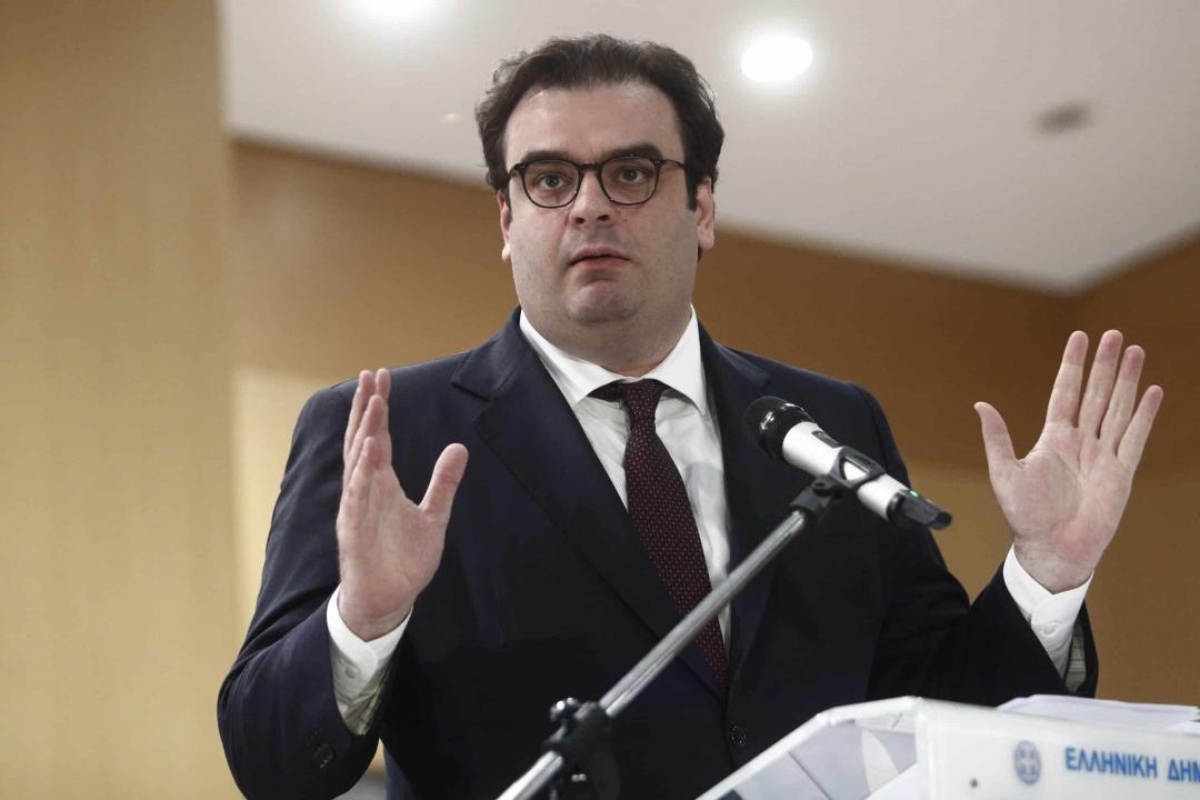
Πηγή Φωτογραφίας: eurokinissi//Pierrakakis Unveils New Debt Relief Package as Government Sets Sights on 2027 Elections



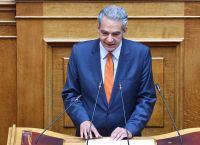
The Greek government is placing economic stability, debt relief, and long-term reforms at the center of its political agenda, with Finance Minister Kyriakos Pierrakakis outlining a new package of measures aimed at addressing private debt while reaffirming that national elections will be held as scheduled in the spring of 2027.
Speaking amid ongoing geopolitical tensions, energy market volatility, and broader economic uncertainty across Europe, Pierrakakis sought to project confidence in the resilience of the Greek economy while acknowledging that inflation and the cost of living remain the primary concerns for many households.
Economic Resilience Amid Global Uncertainty
The minister highlighted Greece’s reported 2% economic growth in the first quarter of the year as evidence of the country’s resilience in a challenging international environment.
According to Pierrakakis, strong investment performance, rising exports, and steady consumer spending demonstrate that Greece now rests on a more solid economic foundation than in previous years.
The government’s message is clear: despite external pressures, Greece remains on a path of growth, fiscal stability, and structural reform.
However, officials recognize that macroeconomic indicators alone are not enough to satisfy voters if living costs continue to weigh heavily on household budgets.
Inflation Remains the Biggest Challenge
While emphasizing positive economic trends, Pierrakakis openly acknowledged that inflation continues to be the most pressing issue facing Greek families.
The government’s strategy, he argued, focuses on two parallel objectives:
- containing price pressures,
- strengthening household incomes.
Officials point to measures supporting agricultural production, efforts to reduce production costs, and significant increases in wages over recent years as part of a broader strategy to protect purchasing power.
Nevertheless, inflation remains a politically sensitive issue and is expected to dominate public debate heading toward the next election cycle.
Major Debt Relief Initiative
One of the most significant announcements concerns a new package of interventions targeting private debt.
The proposed measures include:
- lowering the minimum debt threshold for access to the out-of-court settlement mechanism to €5,000,
- activating a repayment scheme of up to 72 installments,
- increasing the protected bank account threshold from €1,250 to €1,600,
- creating conditions for the release of frozen bank accounts.
Government estimates suggest that as many as one million citizens could benefit directly from the broader package, while the 72-installment repayment scheme could potentially be available to up to 1.5 million debtors.
The relevant digital platform is expected to open during the summer and remain available through the end of the year.
Eyes on the Thessaloniki International Fair
Attention is already turning to the upcoming Thessaloniki International Fair, traditionally one of the most important political and economic stages in the country.
Pierrakakis left open the possibility of additional support measures, while stressing that final decisions will depend on the fiscal space available in the coming months.
Government officials are closely monitoring new European policies on energy investments, which may provide Greece with additional budgetary flexibility and opportunities for targeted interventions.
No Early Elections, Says Government
In one of the most politically significant parts of the interview, Pierrakakis firmly rejected speculation about early elections.
He reiterated that the government intends to complete its full four-year term and that national elections will be held in the spring of 2027.
The statement is widely viewed as an attempt to reinforce a message of political stability to investors, financial markets, and the broader public.
Government strategists appear determined to focus on implementing reforms and delivering measurable results rather than entering a prolonged pre-election campaign.
From Gov.gr to an “Intelligent State”
Beyond economic policy, Pierrakakis also outlined the government’s next major digital transformation objective.
Building on the success of Gov.gr, the government now aims to develop what it describes as an “intelligent state” — a public administration that leverages artificial intelligence and data-driven technologies to improve services and reduce bureaucracy.
Key goals include:
- faster citizen services,
- more efficient public administration,
- reduced paperwork and delays,
- smarter use of public resources,
- greater automation of government processes.
The initiative is viewed as the next phase of Greece’s modernization agenda following the rapid digital reforms implemented over recent years.
Economy as the Government’s Main Electoral Battleground
Behind the economic announcements lies a broader political strategy.
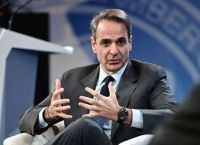
The administration of Kyriakos Mitsotakis appears determined to make economic performance the central measure by which voters evaluate the government before the 2027 elections.
Debt relief initiatives, wage growth, investment expansion, and digital reforms are all designed to support a narrative of stability, modernization, and sustained growth.
The key political question, however, remains whether positive economic indicators can translate into a tangible improvement in everyday living standards. Ultimately, that may be the factor that determines the government’s political fortunes when voters head to the polls in the spring of 2027.
Source: pagenews.gr
Διαβάστε όλες τις τελευταίες Ειδήσεις από την Ελλάδα και τον Κόσμο