World Powers Welcome U.S.-Iran Peace Deal — But Warn the Hardest Part Is Still Ahead
 ΧΡΟΝΟΣ ΑΝΑΓΝΩΣΗΣ 6 '
Πηγή Φωτογραφίας: AP Photo//World Powers Welcome U.S.-Iran Peace Deal — But Warn the Hardest Part Is Still Ahead



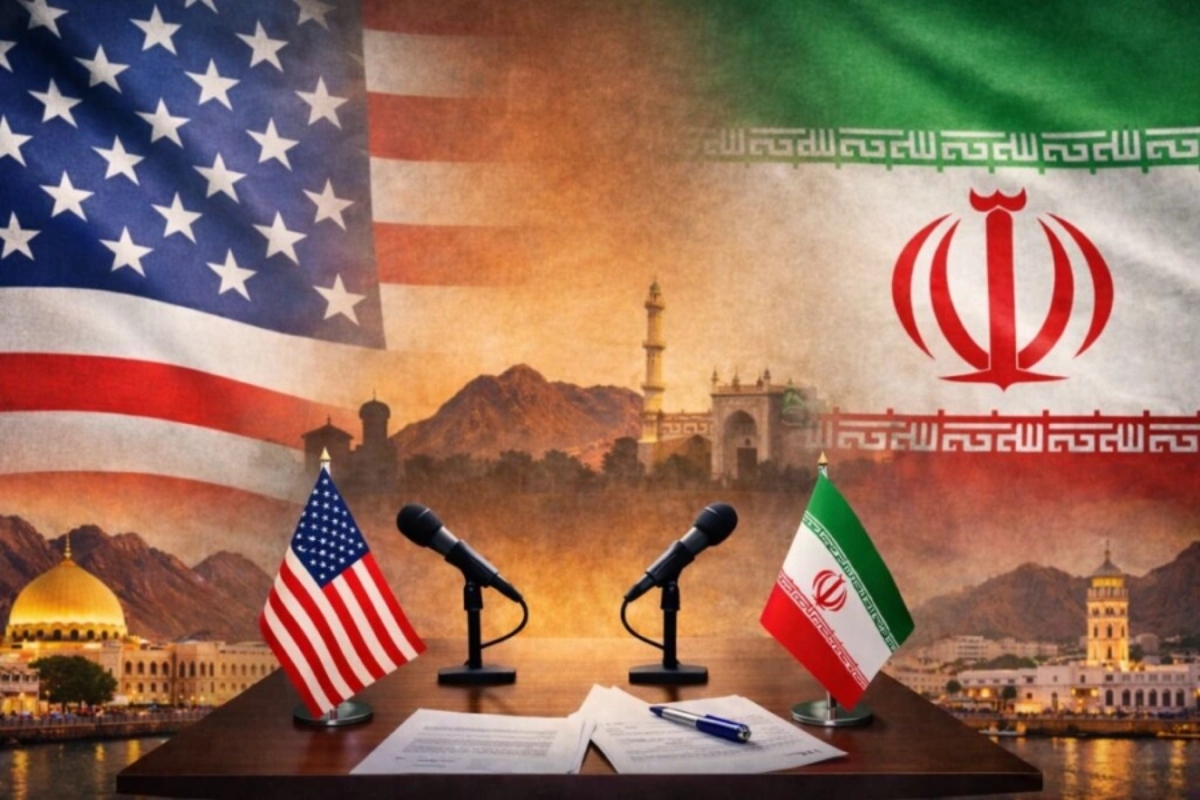
The announcement of a peace agreement between the United States and Iran has triggered a wave of cautious optimism across the international community, with governments and global institutions welcoming what could become the most significant diplomatic breakthrough in the Middle East in years.
After more than three months of conflict that threatened global energy supplies, destabilized regional security and raised fears of a wider war, world leaders reacted with relief.
But alongside the congratulations came a strikingly consistent warning: the agreement is only the beginning.
The real challenge starts now.
THE WORLD BREATHES A SIGH OF RELIEF
At the United Nations, Secretary-General Antonio Guterres described the deal as a turning point after months of escalating tensions.
“This is a critical step toward the peaceful settlement of the conflict,” Guterres said, urging all parties to implement the agreement in good faith.
The statement reflects a broader international sentiment that the deal has prevented a potentially catastrophic regional escalation involving multiple states and armed groups across the Middle East.
For diplomats, avoiding a broader war may already be considered a major success.
EUROPE’S MESSAGE: OPEN HORMUZ IMMEDIATELY
While European leaders welcomed the agreement, they also made clear that their immediate priority is restoring global trade and energy flows.
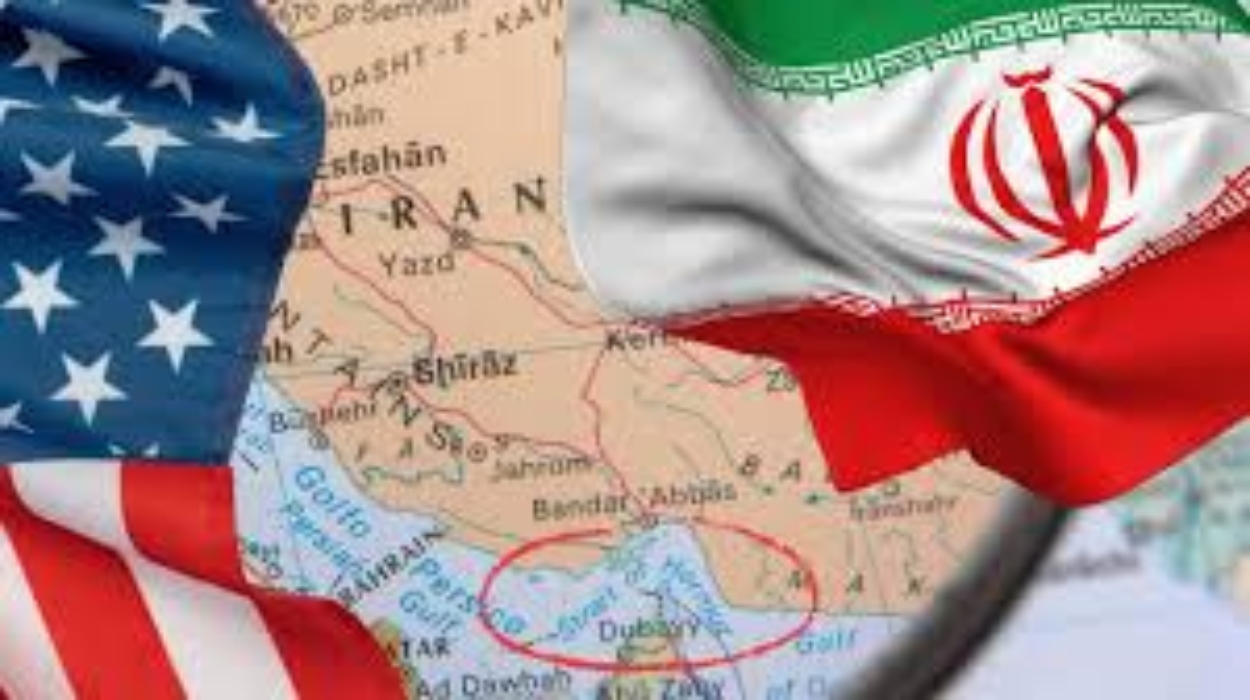
French President Emmanuel Macron called for the urgent reopening of the Strait of Hormuz, the strategic maritime corridor through which roughly one-fifth of the world’s oil supply normally passes.
“The urgent and unconditional reopening of the Strait of Hormuz is essential,” Macron said, adding that France and Britain stand ready to assist implementation efforts.
Macron also emphasized that any lasting settlement must address concerns surrounding Iran’s nuclear and ballistic missile programs, signaling that Europe is unlikely to support a deal that focuses solely on ending hostilities.
For Paris, peace is inseparable from long-term security guarantees.
BRITAIN FOCUSES ON SHIPPING SECURITY
British Prime Minister Keir Starmer echoed those concerns, placing particular emphasis on maritime security.“Freedom of navigation must now be fully restored in the Strait of Hormuz,” Starmer said.
The UK has already indicated it is prepared to contribute to mine-clearance operations and maritime security efforts if required.
London also reiterated its longstanding red line regarding Tehran’s nuclear ambitions.“Iran must never have a nuclear weapon,” Starmer stressed.
The message highlights a growing consensus among Western powers: ending the war is important, but preventing nuclear escalation remains the strategic priority.
GULF STATES SEE A CHANCE FOR STABILITY
Among Middle Eastern governments, reactions were overwhelmingly positive.
Qatar, one of the key regional mediators throughout the crisis, declared its full support for efforts aimed at strengthening regional stability.
The Gulf states have perhaps the most to gain from the agreement.
Months of conflict disrupted trade, threatened energy exports and raised fears that the region could become the epicenter of a broader geopolitical confrontation.
For Gulf leaders, the deal offers a rare opportunity to shift attention back toward economic growth and regional investment.
ERDOGAN WARNS OF SPOILERS
Turkish President Recep Tayyip Erdogan struck a more cautious tone.
While welcoming the agreement, he warned that the period before the official signing could prove particularly sensitive.“Provocations, inflammatory rhetoric and acts of sabotage must be avoided,” Erdogan said.
His comments reflect widespread concerns that hardliners on multiple sides could attempt to derail the process before the agreement formally takes effect.
History offers plenty of examples of Middle East peace initiatives collapsing in the final stages.
Anxiety about potential spoilers remains high.
ASIA WATCHES THE ENERGY MARKETS
For Asia’s major economies, the focus is overwhelmingly economic.
Japan’s Prime Minister Sanae Takaichi welcomed the prospect of safer navigation through Hormuz, emphasizing the importance of uninterrupted energy supplies for global markets.“We hope free and safe navigation will be fully restored as soon as possible,” she said.
Australia delivered a similar message.
Prime Minister Anthony Albanese and Foreign Minister Penny Wong called for restraint and constructive engagement while reiterating concerns about Iran’s nuclear activities.
Meanwhile, New Zealand Prime Minister Chris Luxon highlighted the practical implications of the deal.“The reopening of the Strait of Hormuz will help restore stable trade routes, get fuel flowing and keep our economy moving.”
His remarks captured the broader mood among energy-importing nations.
For many governments, the agreement is not simply a diplomatic breakthrough.
It is an economic necessity.
THE NUCLEAR QUESTION REMAINS UNSOLVED
Despite the celebrations, one issue overshadowed almost every international reaction.
Iran’s nuclear program.
Whether in Paris, London, Canberra or Tokyo, leaders repeatedly stressed that any lasting peace framework must eventually address Tehran’s nuclear capabilities.
That debate has merely been postponed.
According to diplomats familiar with the process, negotiations over uranium enrichment, sanctions relief and long-term monitoring mechanisms are expected to dominate the next phase of talks.
Those discussions are likely to prove far more difficult than securing a ceasefire.
A DIPLOMATIC VICTORY — OR JUST A PAUSE?
The peace agreement has undeniably changed the trajectory of the Middle East.
It has eased fears of a wider regional war, reduced pressure on global energy markets and created a rare opening for diplomacy.
Yet the reactions from world leaders reveal a deeper reality.
No major government believes the crisis is fully over.
The war may be ending.
The negotiations that will determine the region’s future are only beginning.
And until the Strait of Hormuz is fully reopened and Iran’s nuclear ambitions are definitively addressed, the world will remain watchful — and wary.
Source: pagenews.gr
Διαβάστε όλες τις τελευταίες Ειδήσεις από την Ελλάδα και τον Κόσμο