Bakoyannis Unleashes Broadside: “Tsipras Is Arrogant, Samaras Is Wrong, Androulakis Isn’t Convincing”
 ΧΡΟΝΟΣ ΑΝΑΓΝΩΣΗΣ 6 '
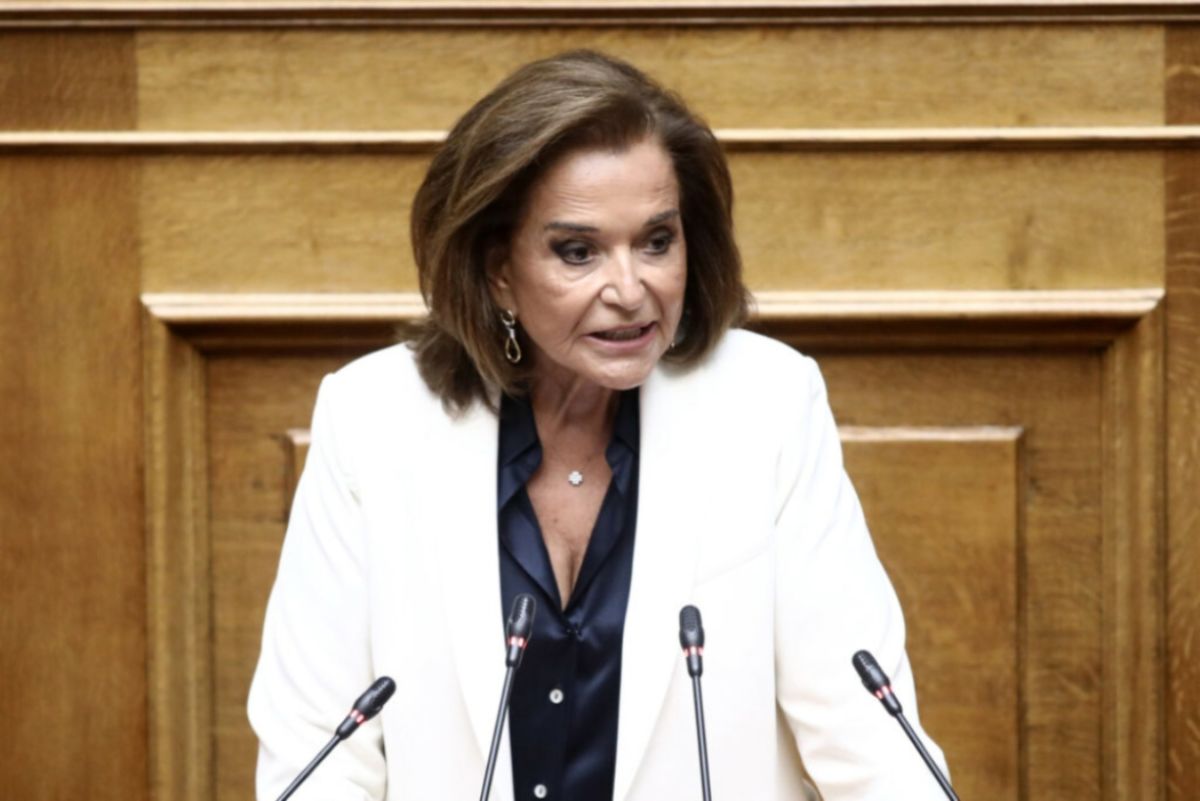
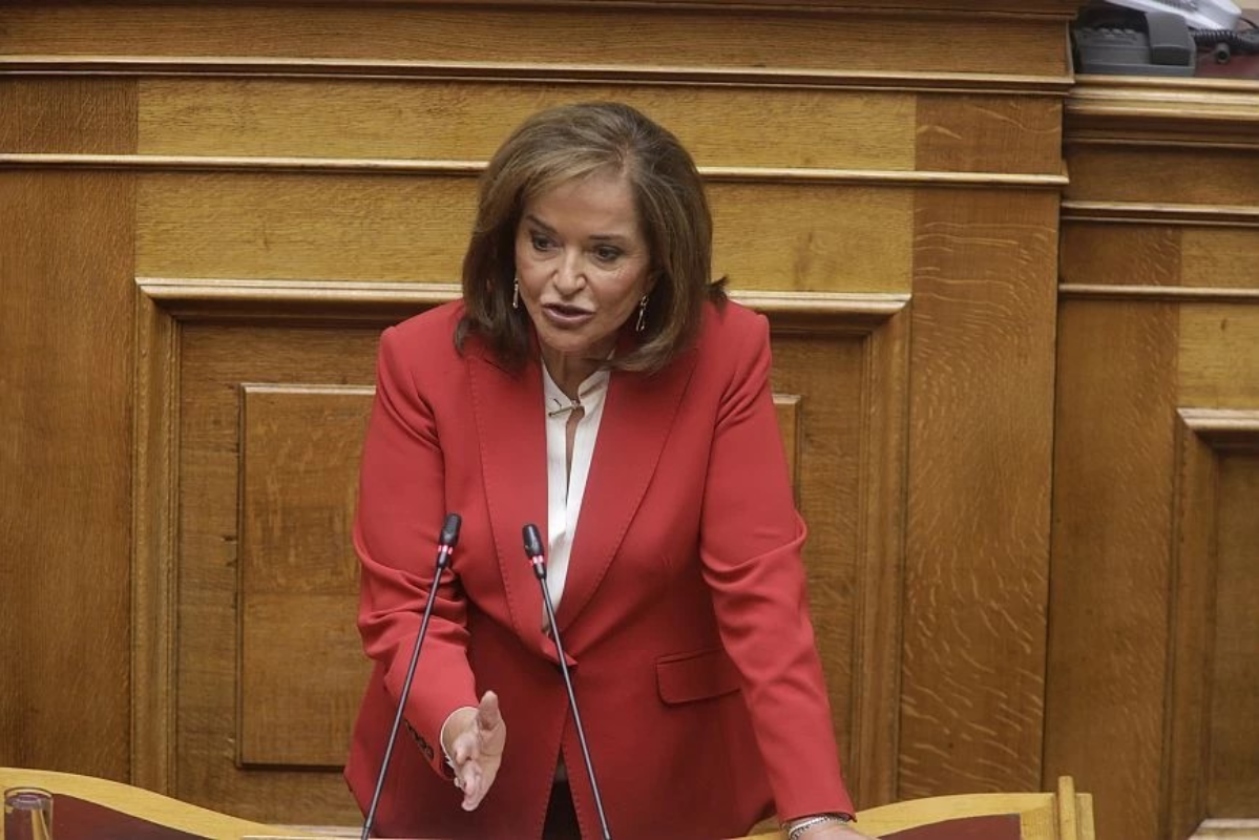
Πηγή Φωτογραφίας: eurokinissi//Bakoyannis Unleashes Broadside: “Tsipras Is Arrogant, Samaras Is Wrong, Androulakis Isn’t Convincing”



Dora Bakoyannis Opens Fire on All Fronts
Dora Bakoyannis has delivered one of the most aggressive political interventions seen inside Greece’s ruling New Democracy party in recent months, targeting a wide range of political figures while drawing clear red lines for both allies and opponents.
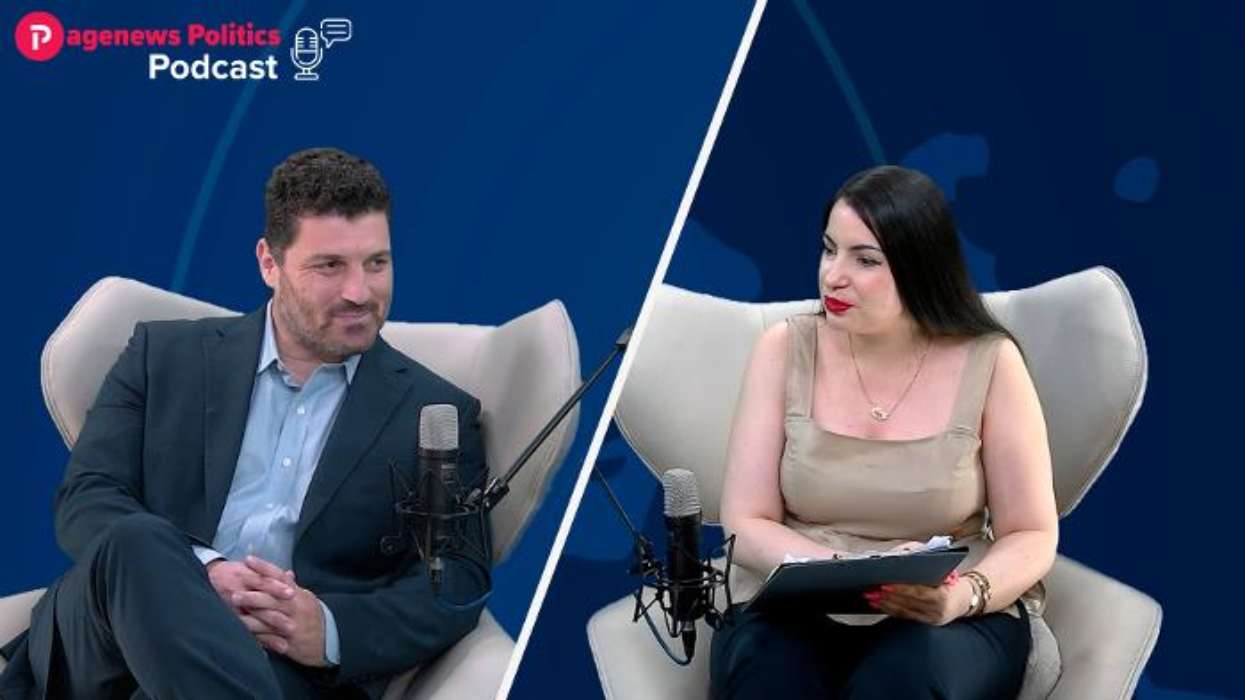
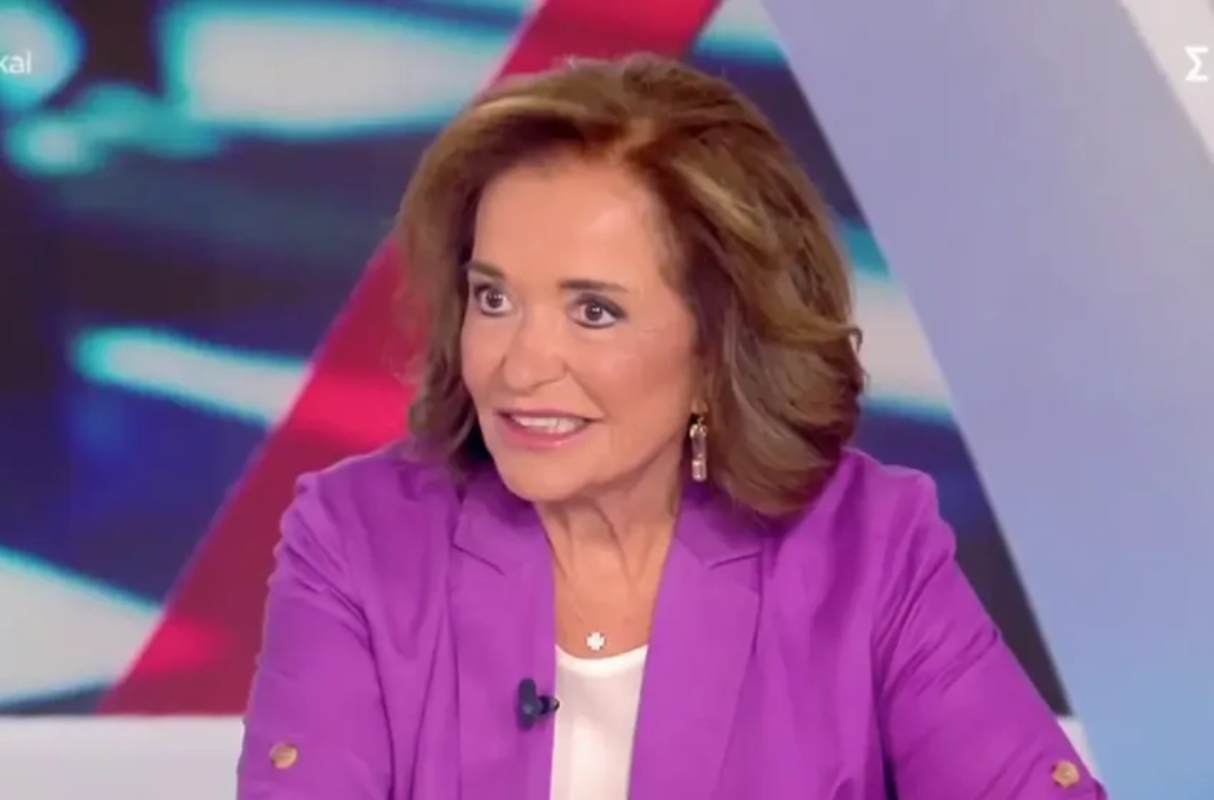
Speaking in a television interview, the veteran conservative politician weighed in on speculation surrounding former Prime Minister Antonis Samaras, the possible political return of Alexis Tsipras, PASOK’s leadership struggles, and the public profile of Maria Karystianou.
The message was unmistakable: New Democracy is preparing for political battles on multiple fronts.
A Warning to Samaras
Bakoyannis did not hide her concern over reports that former Prime Minister Antonis Samaras may be considering the creation of a new political movement.
While acknowledging that such a development would not be welcome for New Democracy, she suggested that Samaras would think carefully before taking a step that could divide the conservative camp.
Her comments carried a deeper political message.
By referencing the Greek saying that “repeating the same mistake twice is not wise,” she appeared to evoke Samaras’ earlier split from New Democracy in the 1990s, when he founded the Political Spring party.
She also stressed that New Democracy played a decisive role in his political rise and eventual path to the premiership.
If he chooses another route, she suggested, it will ultimately be up to conservative voters to judge him.
“No Room for Reconciliation”
Bakoyannis reserved some of her strongest remarks for Samaras’ recent criticism of Prime Minister Kyriakos Mitsotakis and Foreign Minister George Gerapetritis.
According to her, questioning the patriotism of the country’s political leadership crosses a line.
“Many things can be tolerated in politics,” she argued, “but questioning someone’s patriotism is a very serious accusation.”
Her conclusion was blunt.
“I do not see any room for rapprochement.”
The statement is likely to fuel speculation that the relationship between the Mitsotakis camp and Samaras has reached its lowest point in years.
“Tsipras Is Incredibly Arrogant”
Bakoyannis was equally critical of former Prime Minister Alexis Tsipras.
She accused the former SYRIZA leader of displaying extraordinary political arrogance and attempting to distance himself from decisions made during his own period in government.
In her view, Tsipras is trying to blame former associates for mistakes while simultaneously attempting to rebuild his political influence.
“He is charismatic and a skilled communicator,” she acknowledged.
“But catastrophism is not opposition.”
The sharpest attack came when she dismissed the idea that Tsipras could defeat New Democracy in a future election.
“The Greek people will not fall for the same promises twice,” she argued.
The remark reflects a broader strategy within the governing party: framing any potential Tsipras comeback through the lens of the turbulent SYRIZA years and the economic crises associated with his administration.
PASOK’s Leadership Problem
Bakoyannis also took aim at PASOK leader Nikos Androulakis.
According to her, the party’s stagnation in opinion polls is not simply a policy problem but a leadership issue.
“People want a leader,” she said, arguing that Androulakis has yet to convince voters that he possesses the qualities needed to lead the country.
She went a step further, suggesting that Tsipras’ renewed visibility is partly linked to dissatisfaction among center-left voters who are searching for a stronger political figure.
The comments strike at one of PASOK’s most sensitive vulnerabilities: its ongoing struggle to establish itself as the dominant force of the opposition.
Karystianou and the Limits of Public Sympathy
Another target of Bakoyannis’ criticism was Maria Karystianou, who has emerged as a prominent public figure following the Tempi train disaster.
While acknowledging the public sympathy Karystianou enjoys, Bakoyannis argued that emotional support does not automatically translate into political credibility.
“Politics is difficult and demanding,” she said.
“She does not have a political message.”
Her assessment comes as political parties increasingly debate how much influence anti-establishment and protest movements could exert on Greece’s political landscape.
The Real Audience: Conservative Voters
Behind the criticism of Tsipras, Androulakis and Karystianou lies a broader political concern.
New Democracy is increasingly focused on retaining voters on its right flank.
Recent political developments have highlighted growing competition for conservative and nationalist voters, particularly amid speculation about potential new political formations.
Bakoyannis openly acknowledged that this is where the next major electoral battle will take place.
The challenge for the ruling party, she suggested, is not only defeating the opposition but convincing dissatisfied conservative voters that New Democracy remains their natural political home.
A Sign of a New Political Season
The significance of Bakoyannis’ intervention extends beyond the individual figures she criticized.
Her remarks reflect a growing sense that Greek politics is entering a new phase.
Questions surrounding Tsipras’ future, Samaras’ intentions, PASOK’s leadership, and the emergence of new political actors are reshaping the political landscape ahead of the next electoral cycle.
By attacking multiple opponents in a single interview, Bakoyannis sent a clear signal that New Democracy is already preparing for the battles to come.
And judging by the tone of her comments, the campaign may have already begun.
Source: pagenews.gr
Διαβάστε όλες τις τελευταίες Ειδήσεις από την Ελλάδα και τον Κόσμο