From Superfund to National Development Fund: Greece Repositions Its Economic Strategy
 ΧΡΟΝΟΣ ΑΝΑΓΝΩΣΗΣ 6 '
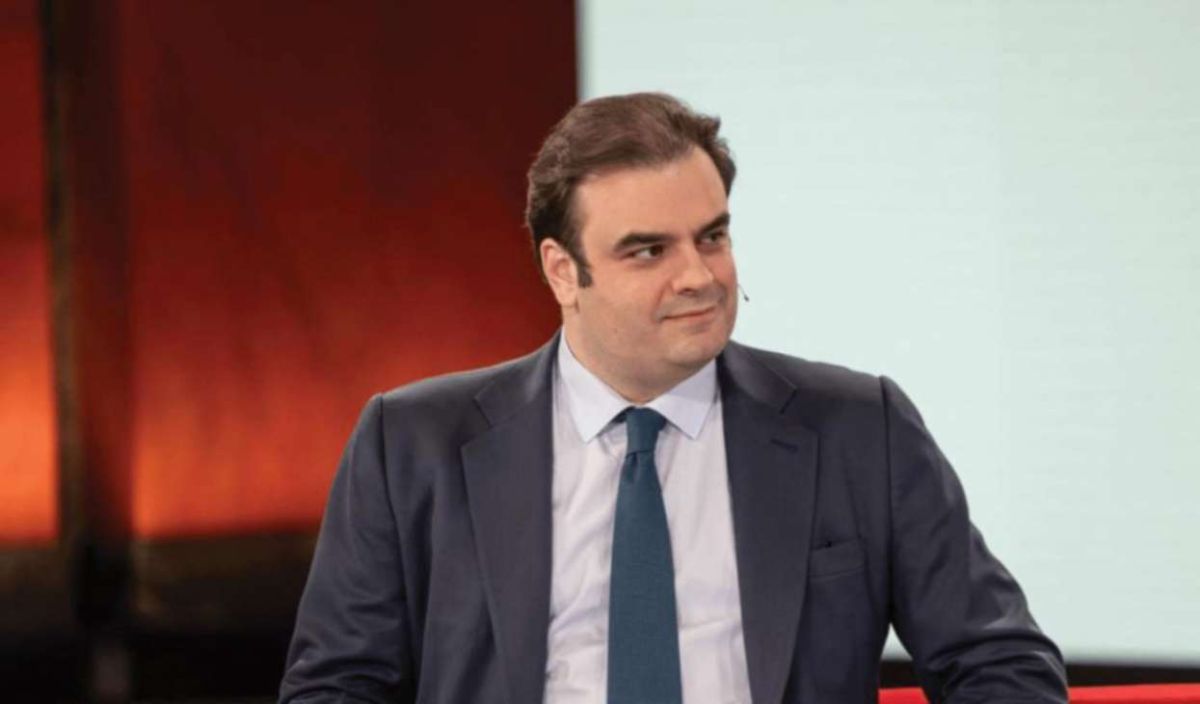
Πηγή Φωτογραφίας: eurokinissi//From Superfund to National Development Fund: Greece Repositions Its Economic Strategy



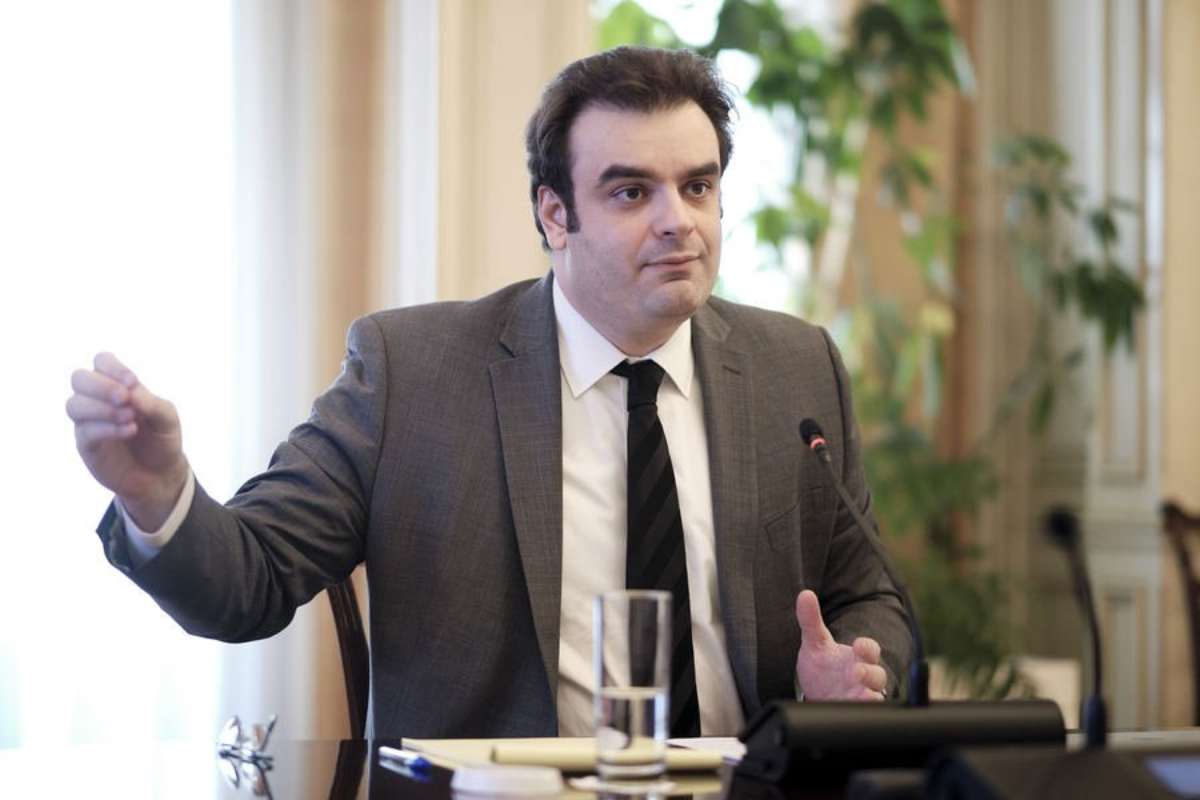
In a move carrying both political symbolism and economic significance, Greece’s Minister of National Economy and Finance, Kyriakos Pierrakakis, announced the renaming of the country’s state holding company, commonly known as the Hellenic Corporation of Assets and Participations (HCAP) or “Superfund,” into the National Development Fund.
The decision signals an effort to move beyond the legacy of the sovereign debt crisis and reposition the institution as an active driver of investment, competitiveness and long-term economic transformation.
“We are announcing a change with substantive content: the Superfund is being renamed the National Development Fund,” Pierrakakis stated, emphasizing that the initiative represents more than a rebranding exercise.
Closing the Chapter of the Bailout Era
The Superfund was established in 2016 as part of Greece’s commitments under its international bailout programs and became one of the most visible symbols of the country’s period of fiscal supervision.
For years, it was primarily associated with state asset management, privatizations and the broader framework of economic oversight imposed during the debt crisis.
The government now aims to redefine its mission.
Rather than acting mainly as a custodian of public assets, the new National Development Fund is expected to serve as a catalyst for investment, helping accelerate strategic projects and mobilize public and private capital across key sectors of the economy.
The move reflects a broader political narrative that Greece has entered a new phase, one focused on growth and competitiveness rather than crisis management.
An Investment Multiplier for the Greek Economy
According to Pierrakakis, the Fund’s strategic role will be that of an investment multiplier.
“Its strategic role is that of a multiplier,” he noted, describing a mechanism designed to attract capital, facilitate project implementation and accelerate investment pipelines.
The objective is to transform public assets and state participation into tools that generate economic activity, innovation and productivity gains.
This approach mirrors development models increasingly adopted across Europe, where state-backed investment vehicles are being used to crowd in private capital and support strategic sectors considered vital for future competitiveness.
Investing in the Industries of the Future
The government’s investment strategy places particular emphasis on sectors expected to shape the next generation of economic growth.
Among the priority areas are:
- Artificial Intelligence (AI)
- Data Centers and Digital Infrastructure
- Semiconductor Technologies
- Energy and Green Transition Projects
- Logistics and Supply Chains
- Agrifood Industries
- Health and Medical Tourism
- Strategic Infrastructure Investments
The selection reflects broader global trends, as governments compete to attract investment in technologies and industries that are increasingly viewed as critical to economic resilience and geopolitical influence.
A European Competitiveness Agenda
Pierrakakis linked the initiative directly to the wider European debate on competitiveness, strategic autonomy and investment financing.
“The critical question is who will finance Europe’s future,” he argued.
His answer centers on more effective deployment of European savings and capital within the European Union, ensuring that resources are invested in productive sectors capable of generating long-term growth.
For Greece, the National Development Fund is intended to become part of this wider European effort, positioning the country as a participant in emerging investment and industrial policy frameworks rather than merely a recipient of financial assistance.
Beyond GDP Growth
While highlighting Greece’s stronger growth rates, rising exports, increasing investment activity and rapid debt reduction, the minister emphasized that macroeconomic performance alone is not enough.
“GDP growth is not an end in itself. The goal is to improve citizens’ living standards,” Pierrakakis stressed.
The statement reflects a broader policy challenge facing many European governments: translating strong economic indicators into tangible improvements in household income, purchasing power and quality of life.
The government is seeking to frame economic success not solely through statistical performance but through its impact on everyday prosperity.
From Crisis Management to Strategic Confidence
The announcement also carries a strong political message.
By replacing the term “Superfund,” closely associated with Greece’s bailout years, the government aims to reinforce the narrative that the country has moved beyond the era of uncertainty and external supervision.
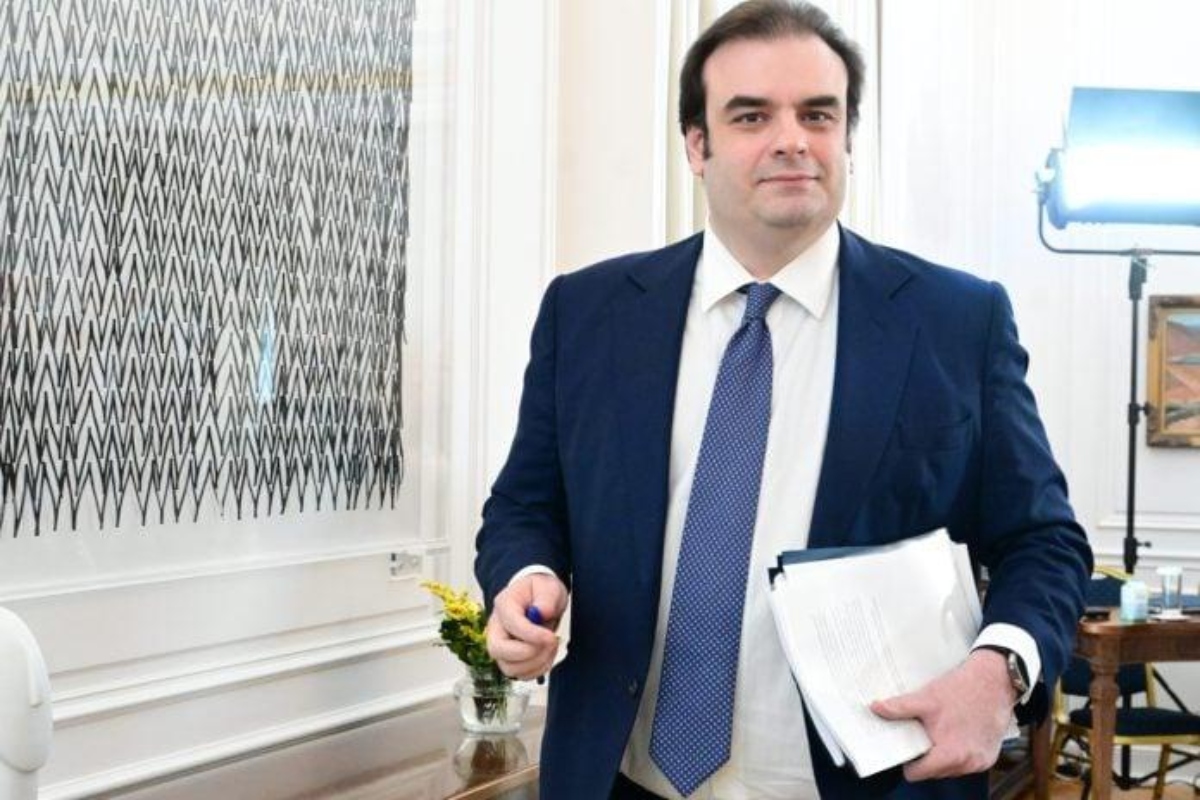
“The Greece of fear is not the Greece of today,” Pierrakakis declared.
The message is intended to project confidence in Greece’s ability to compete internationally, attract investment and pursue long-term development goals on its own terms.
The transformation of the Superfund into the National Development Fund represents one of the clearest attempts yet to redefine Greece’s post-crisis economic identity.
The success of the initiative, however, will ultimately depend not on its symbolism but on its execution.
Its credibility will be measured by its ability to mobilize capital, accelerate strategic investments and deliver measurable economic outcomes in sectors critical to future growth.
At a time when Europe is searching for new instruments to finance technological innovation, energy transition and industrial competitiveness, Greece is seeking to position the National Development Fund at the center of its own geoeconomic strategy.
The challenge now is to ensure that the institution evolves from a legacy asset manager into a genuine development engine capable of financing the country’s next chapter.
Source: pagenews.gr
Διαβάστε όλες τις τελευταίες Ειδήσεις από την Ελλάδα και τον Κόσμο