OPEKEPE Scandal: European Prosecutors Put EU Accountability at the Centre of Greek Politics
 ΧΡΟΝΟΣ ΑΝΑΓΝΩΣΗΣ 6 '
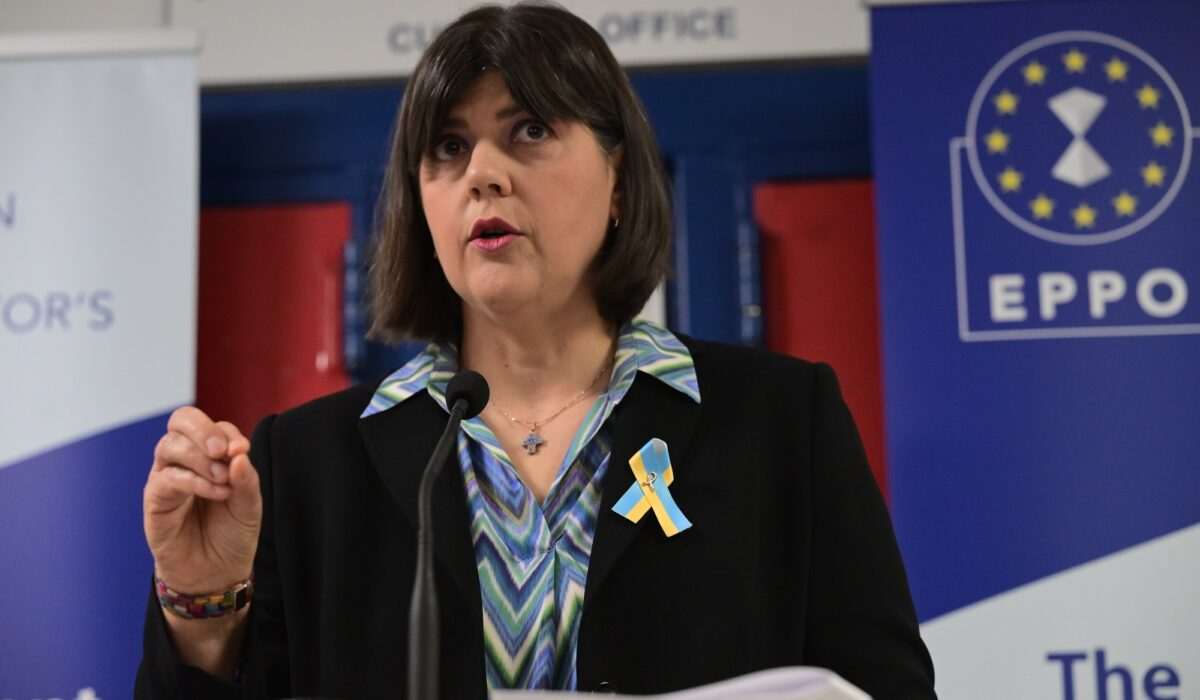



The OPEKEPE investigation has moved beyond being a domestic Greek political controversy. With the European Public Prosecutor’s Office (EPPO) bringing criminal charges against senior officials, sitting lawmakers and beneficiaries of EU agricultural subsidies, the case has become a defining test of how the European Union enforces accountability over its own budget.
In one of the most politically significant EPPO cases since the office became operational, European prosecutors have filed charges against 22 individuals, including four serving members of the Hellenic Parliament, former senior executives of Greece’s agricultural payments agency (OPEKEPE), public officials and private beneficiaries.
At the same time, the EPPO announced that charges against seven other sitting MPs and two former MPs had been dropped due to insufficient evidence, stressing that prosecutors assessed both incriminating and exculpatory evidence with equal scrutiny.
The announcement highlights not only the scale of the investigation but also the institutional role of the EPPO as an independent European judicial authority rather than a political actor.
More than subsidy fraud
The investigation goes well beyond allegations of improperly allocated agricultural subsidies.
According to the EPPO, investigators identified recurring patterns suggesting possible interference with administrative procedures responsible for managing European Union agricultural funds under the Common Agricultural Policy (CAP).
The alleged practices include:
- unlawful intervention in administrative and inspection procedures;
- retrospective alteration of official records after mandatory checks had been completed;
- interference with on-site inspections;
- concealment or manipulation of inspection findings;
- false certifications;
- and irregular management of EU-funded payments.
If proven before the competent Greek courts, these allegations would point not merely to isolated misconduct but to potential systemic weaknesses in the administration of one of the EU’s largest spending programmes.

The growing power of the European Public Prosecutor
The case also illustrates the increasingly prominent role played by the European Public Prosecutor’s Office in safeguarding the Union’s financial interests.
Established in 2021, the EPPO is an independent prosecution authority responsible for investigating and prosecuting crimes affecting the EU budget, including subsidy fraud, corruption, VAT fraud and other offences involving European financial resources.
Unlike the European Commission or OLAF, the EPPO possesses prosecutorial powers, allowing it to conduct investigations and bring criminal cases before national courts within participating Member States.
The OPEKEPE investigation demonstrates how European judicial oversight has evolved beyond administrative audits into direct criminal enforcement.
Parliamentary immunity no longer guarantees political protection
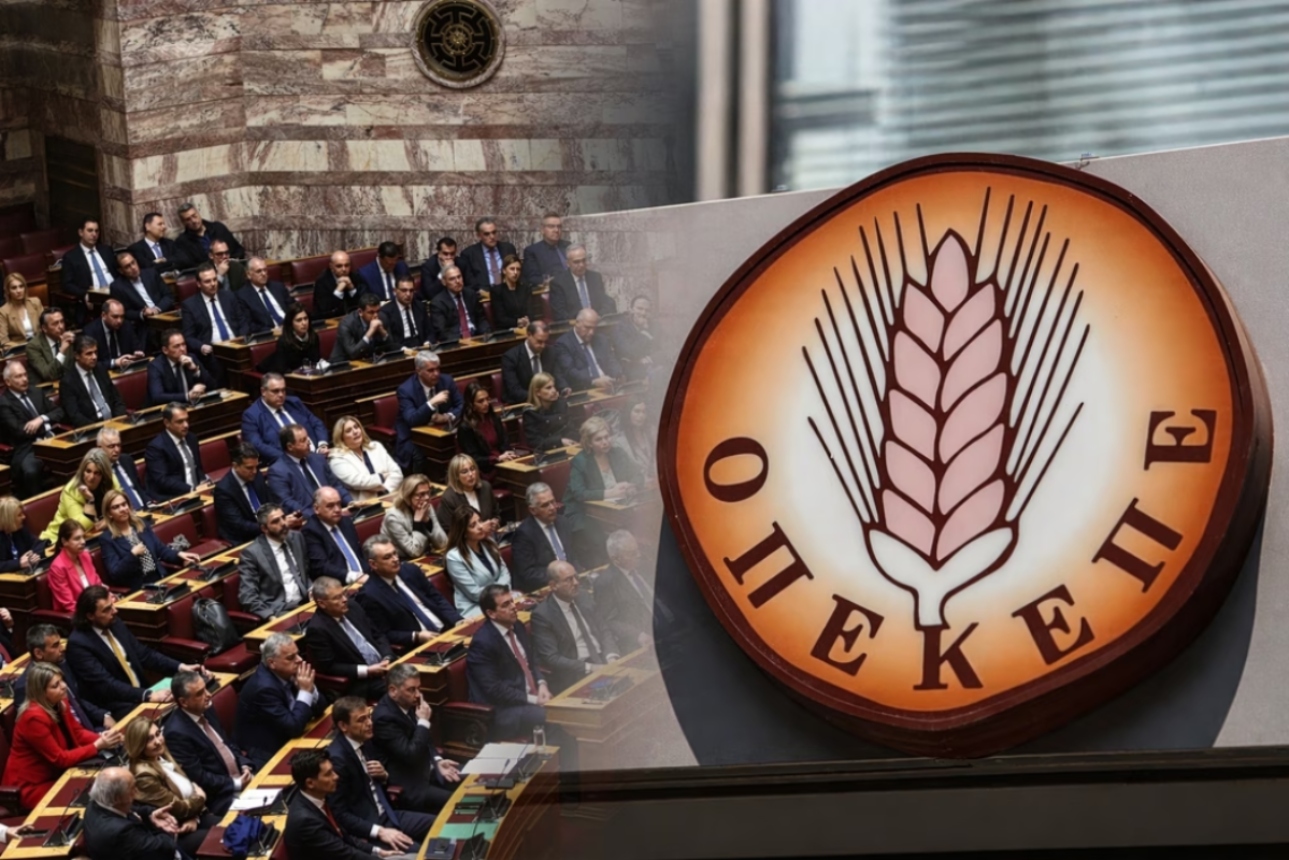
A crucial moment came in April 2026, when the Greek Parliament approved the EPPO’s request to lift the parliamentary immunity of eleven serving MPs, allowing prosecutors to investigate allegations relating to actions allegedly committed in 2021.
The outcome of those investigations is politically significant.
Four MPs now face criminal charges.
Seven others have been cleared due to insufficient evidence.
The distinction reinforces the EPPO’s effort to demonstrate that its investigations are evidence-driven rather than politically motivated.
For European institutions, this distinction is essential to maintaining judicial credibility.
CAP funding under unprecedented scrutiny
The investigation also places the Common Agricultural Policy under renewed attention.
The CAP remains one of the largest components of the EU budget, accounting for hundreds of billions of euros in agricultural support across Member States.
Any indication of fraud or manipulation in the allocation of these funds has implications extending well beyond national politics.
For Brussels, protecting the integrity of CAP spending has become increasingly important as the Union faces mounting pressure over fiscal discipline, transparency and the legitimacy of common funding mechanisms.
The investigation is far from over
The EPPO made clear that the current indictments relate only to alleged offences committed during 2021.
Additional investigations covering other periods remain ongoing.
Several individuals, including former MPs, continue to be under investigation, while prosecutors declined to release further details in order to avoid compromising ongoing proceedings.
This suggests that the OPEKEPE case may continue to develop over the coming months.
A broader European message
Beyond the Greek political landscape, the investigation sends a wider institutional message.
The European Union is demonstrating that the management of European funds is no longer subject solely to national oversight.
The EPPO represents a significant shift in European governance, giving the Union an independent prosecutorial mechanism capable of pursuing cases involving public officials, political figures and complex fraud schemes affecting the EU budget.
As the Union prepares for a larger multiannual budget, increased defence spending and new financial instruments, protecting taxpayers’ money has become a strategic priority rather than merely an administrative concern.
The institutional test ahead
The legal process will ultimately be decided by the competent Greek courts, and all defendants are presumed innocent until proven guilty in accordance with Greek and European law.
Regardless of the judicial outcome, however, the OPEKEPE investigation has already become more than a criminal case.
It has evolved into a test of Europe’s emerging system of supranational accountability—one in which the protection of EU financial interests increasingly transcends national political boundaries.
In that sense, the case is not only about alleged fraud involving agricultural subsidies.
It is also about the European Union’s determination to demonstrate that access to European funds carries with it an equally European system of legal responsibility.
Διαβάστε όλες τις τελευταίες Ειδήσεις από την Ελλάδα και τον Κόσμο