Turkey Pushes Deeper Into Syria’s Energy Sector as Rivalry With Israel Raises the Stakes
 ΧΡΟΝΟΣ ΑΝΑΓΝΩΣΗΣ 6 '
Πηγή Φωτογραφίας: AP Photo//Turkey Pushes Deeper Into Syria’s Energy Sector as Rivalry With Israel Raises the Stakes



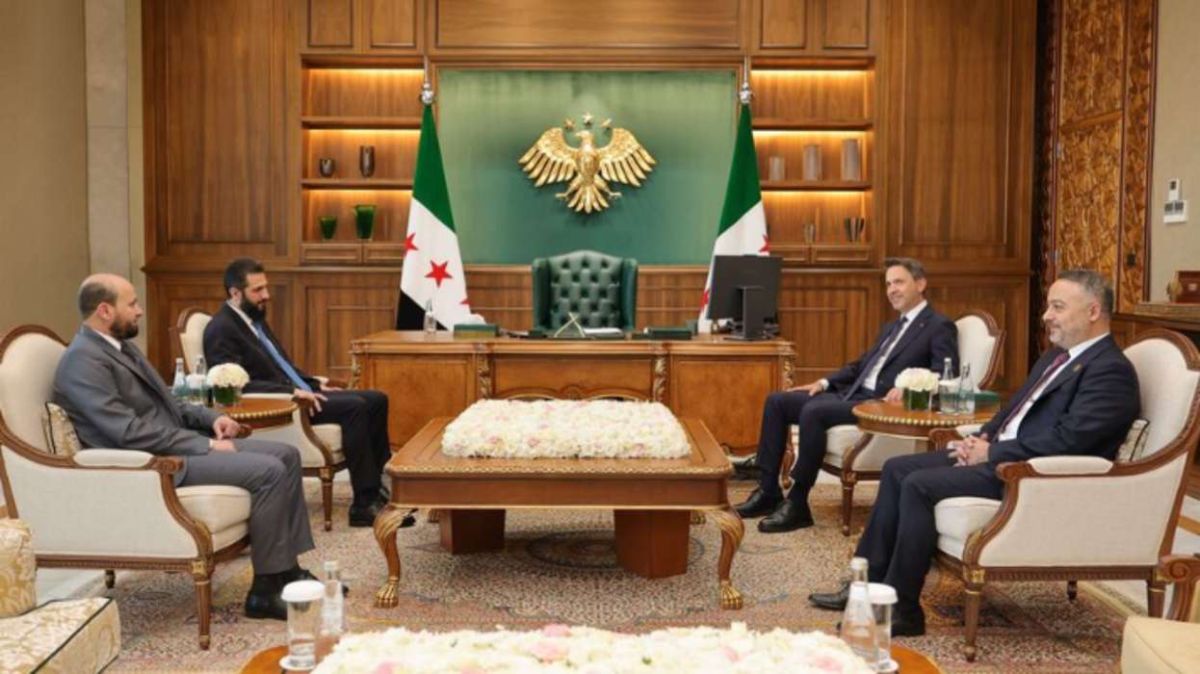
Turkey is moving to significantly expand its role in Syria’s energy sector, adding oil and natural gas to a growing portfolio of economic and infrastructure cooperation with Damascus.
The strategy signals something larger than a commercial push. Ankara is positioning itself as one of the central players in Syria’s reconstruction and economic recovery, while its expanding presence is increasingly colliding with Israel’s security calculations.
The result is a potentially explosive combination: energy, military influence and regional power politics are becoming intertwined in post-Assad Syria.
Ankara Eyes Syria’s Oil and Gas
Turkey’s involvement in Syria has already extended into electricity and infrastructure, but Ankara is now looking toward the country’s hydrocarbons sector as another pillar of bilateral cooperation.
The expansion into oil and gas could help Damascus revive badly damaged energy infrastructure while giving Turkey a deeper economic stake in Syria’s recovery.
For Ankara, energy cooperation serves several strategic objectives at once: supporting the new Syrian government, increasing Turkish commercial influence and strengthening Syria’s ability to rebuild functioning state institutions.
It also reinforces Turkey’s ambition to become a major energy and logistics hub connecting the Middle East with European markets.
But the deeper Turkey moves into Syria, the more its economic ambitions overlap with a rapidly changing security environment.
Syria Becomes a Turkey-Israel Pressure Point
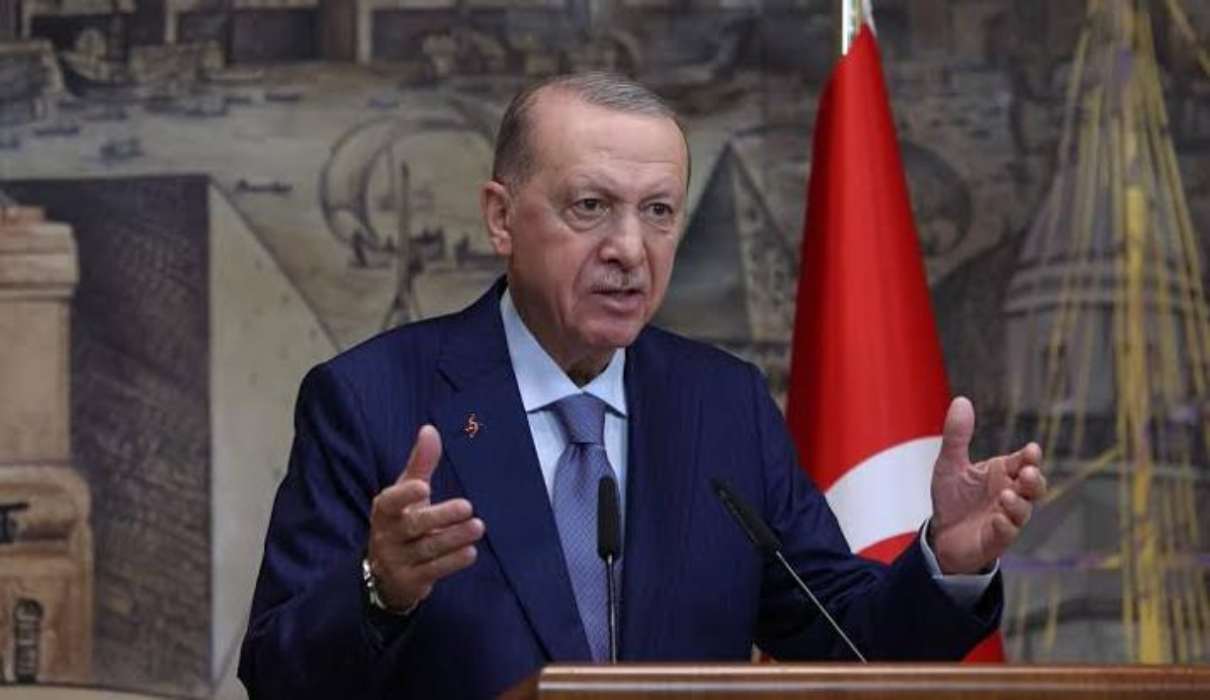
The growing Turkish footprint comes amid escalating tensions between Ankara and Israel over Syria’s future.
Those tensions intensified following an Israeli strike on the Abu al-Duhur airbase, after Israel warned against what it believed could become a Turkish military presence at the facility.
Israeli Prime Minister Benjamin Netanyahu said Israel had delivered an explicit warning before the operation.
“Our message was very clear. Don’t. I guess they didn’t quite understand the message,” Netanyahu said.
Israeli Defence Minister Israel Katz went further, accusing Turkish President Recep Tayyip Erdogan of leading Turkey into “dangerous adventures in Syria.”
Damascus, however, rejected Israel’s interpretation.
Syrian Foreign Minister Asaad al-Shaibani said there were no plans to establish a permanent Turkish military base at Abu al-Duhur, maintaining that the facility was being rehabilitated for Syria’s own air force.
Turkish military personnel had visited the site as part of training and defence cooperation, according to Damascus, but Syria denied that Ankara was preparing a permanent deployment.
Energy Is Becoming Part of the Geopolitical Equation
This is where Turkey’s energy strategy takes on greater geopolitical significance.
Ankara is no longer simply dealing with Syria as a security problem along its southern border. It is investing political, military and increasingly economic capital in the survival and consolidation of the new Syrian order.
Energy could become one of the most important instruments of that strategy.
A functioning electricity network, restored energy infrastructure and eventually greater oil and gas production would strengthen the Syrian state while simultaneously increasing Turkey’s leverage in Damascus.
For Israel, however, Turkey’s expanding influence raises a different question: how far will Ankara’s presence ultimately extend?
Israel’s concerns go beyond energy investment. A stronger Turkish-backed Syrian state, particularly one rebuilding its military capabilities, could alter the security balance along Israel’s northern strategic perimeter.
Two Competing Visions for Syria
At the heart of the confrontation are two fundamentally different visions.
Turkey wants a stronger, more stable Syrian state capable of rebuilding its economy, infrastructure and armed forces. Ankara sees such an outcome as essential to regional stability and Turkish national interests.
Israel’s priority is different. Jerusalem wants to ensure that Syria’s reconstruction does not produce new military capabilities or foreign deployments that could eventually threaten Israeli territory.
That creates an increasingly difficult equation.
The very reconstruction that Turkey considers necessary for Syrian sovereignty could be interpreted by Israel as the emergence of a new strategic threat.
And the more Turkey invests in Syria — economically, politically and militarily — the greater the stakes become whenever Israel strikes Syrian infrastructure.
Washington Tries to Prevent a Collision
The United States is attempting to prevent those competing interests from producing a direct confrontation.
U.S. special envoy Tom Barrack has said Washington is working toward a deconfliction mechanism involving Turkey, Israel and Syria.
Such an arrangement could reduce the danger of miscalculation, particularly as Turkish personnel and Israeli military operations potentially operate within the same increasingly crowded strategic theatre.
A direct Turkey-Israel confrontation would present Washington with a serious problem. Turkey is a NATO member and major U.S. partner, while Israel remains Washington’s closest strategic ally in the Middle East.
Preventing Syria from becoming the battlefield of a Turkish-Israeli rivalry is therefore becoming an important American objective.
The Bigger Prize: Who Shapes Post-Assad Syria?
The battle over Syria is ultimately about far more than an airbase — or an oil field.
It is about who will shape the country’s political, economic and security architecture for the coming decade.
Turkey is moving aggressively to secure a central position through infrastructure, energy, trade, military cooperation and political backing for Damascus.
Israel, meanwhile, is determined to preserve its freedom of military action and prevent the emergence of security threats on Syrian territory.
Energy makes that rivalry even more consequential.
If Ankara succeeds in becoming indispensable to Syria’s economic reconstruction, Turkish influence will become considerably harder to dislodge. Pipelines, electricity networks, investment and energy agreements can create strategic relationships lasting decades.
That is why Turkey’s move into Syrian oil and gas should not be viewed merely as another investment story.
It represents another stage in the struggle for influence over the new Syria.
And as Ankara’s economic footprint grows alongside its military and political role, Syria could increasingly become the point where Turkey’s regional ambitions and Israel’s security doctrine collide.
Source: pagenews.gr
Διαβάστε όλες τις τελευταίες Ειδήσεις από την Ελλάδα και τον Κόσμο