Trump–Putin Rapprochement Tests EU Unity: €210 Billion in Frozen Russian Assets Back on the Table
 ΧΡΟΝΟΣ ΑΝΑΓΝΩΣΗΣ 10 '
Πηγή Φωτογραφίας: AP Photo//Trump–Putin Rapprochement Tests EU Unity: €210 Billion in Frozen Russian Assets Back on the Table



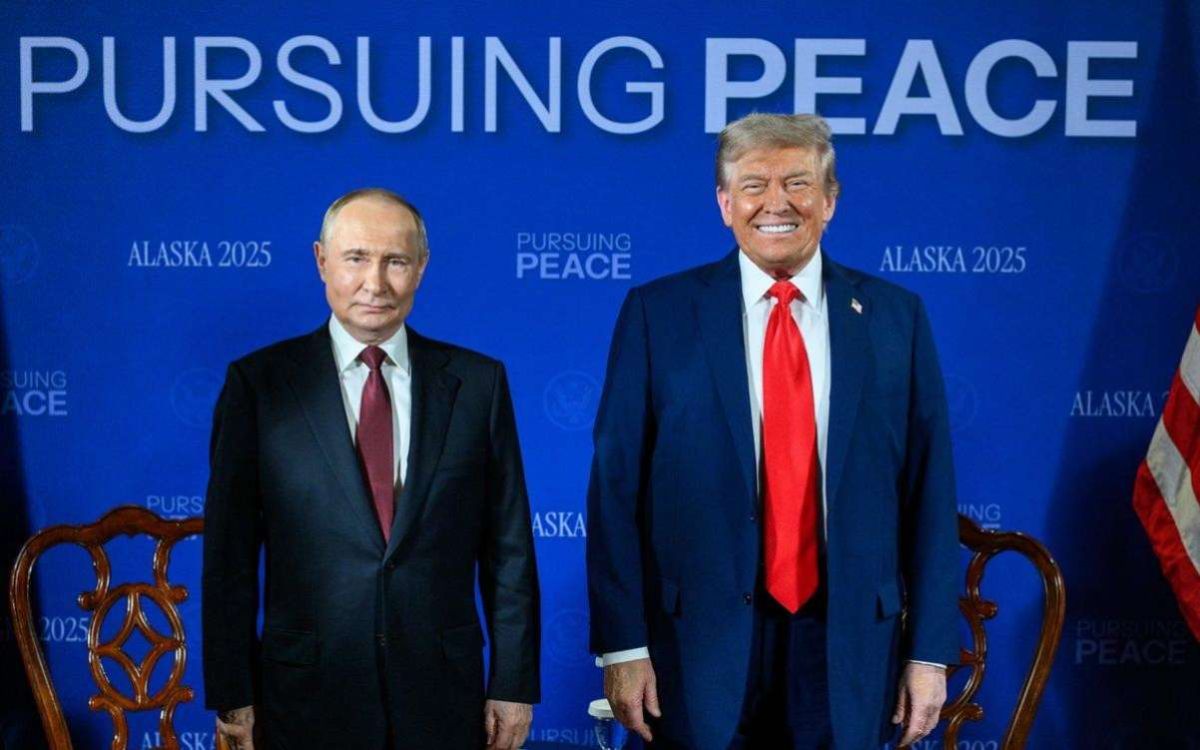
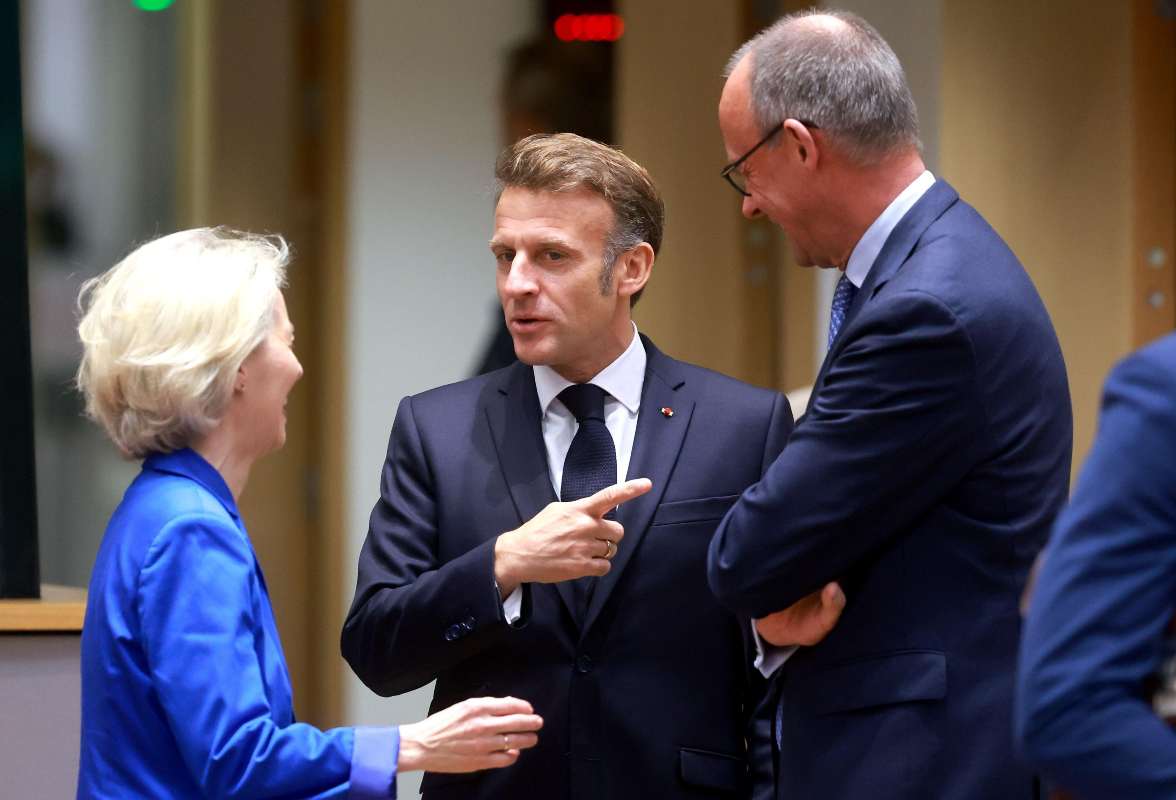
European leaders are facing a difficult geopolitical challenge at the Brussels summit as Donald Trump’s rapprochement with Vladimir Putin raises fresh concerns about the future of Western support for Ukraine.
According to POLITICO, the relationship between the American and Russian presidents threatens to test the European Union’s resolve against Moscow, just as several governments are seeking to reopen the contentious debate over frozen Russian sovereign assets.
The issue has become particularly urgent following Washington’s recent moves toward energy cooperation with Russia and its growing pressure on Kyiv to limit attacks against Russian oil infrastructure.
For Brussels, the stakes extend far beyond maintaining financial and military assistance to Ukraine. The central question is whether Europe can preserve a coherent strategy toward Russia when the United States appears increasingly focused on different economic and diplomatic priorities.
€210 Billion in Russian Assets Returns to the Center of EU Negotiations
At the heart of the debate are approximately €210 billion in Russian central bank assets immobilized across the European Union.
Most of these assets are held in Belgium through Euroclear, the international securities depository.
The funds were frozen as part of the sanctions imposed following Russia’s full-scale invasion of Ukraine in February 2022.
Until now, the European Union has allowed extraordinary revenues generated by the immobilized assets to support Ukraine, without authorizing a general confiscation of the underlying sovereign capital.
However, Ukraine’s continuing financial and military needs have renewed calls for more extensive use of the funds.
More than 120 members of the European Parliament have urged EU institutions to explore additional financing mechanisms involving Russian sovereign assets.
Their argument is that Russia should bear financial responsibility for the destruction caused by its invasion.
Supporters of the proposal believe the assets could provide a substantial source of financing without requiring European taxpayers to shoulder the entire burden.
Yet the legal and financial obstacles remain significant.
Belgium Warns of Legal Retaliation From Moscow
Belgium remains central to the negotiations because Euroclear holds the majority of the immobilized Russian sovereign assets within the EU.
The Belgian government has repeatedly expressed concerns that transferring or confiscating these funds could expose the country and its financial institutions to substantial legal claims.
Russian authorities could pursue litigation or retaliatory measures against European assets and institutions.
Other member states, including Italy, Bulgaria and Malta, have also raised concerns about the legal implications and potential financial consequences.
Supporters of a new European mechanism argue that any associated liabilities should be shared collectively rather than concentrated in Belgium.
One approach under discussion involves transferring financial obligations to a European-level structure designed to distribute risks among participating governments.
However, no comprehensive agreement has yet been reached on how such a mechanism would operate or how potential losses would be covered.
The debate therefore remains unresolved, despite growing political pressure to mobilize additional resources for Kyiv.
Washington’s Proposal Sparks European Resistance
The controversy has intensified following reports of an American proposal to release or redirect part of the frozen Russian assets as part of a potential peace settlement.
According to the Financial Times, the proposal was discussed during negotiations in Miami involving American representatives and officials connected to Ukraine, European governments and NATO.
One of the ideas reportedly considered involved transferring funds into a special financial vehicle operating under American supervision.
The possibility of shifting control over Russian sovereign assets toward Washington generated concern in European capitals.
German Chancellor Friedrich Merz opposed the prospect of placing the funds under American control, emphasizing the importance of legal safeguards and European authority over assets held within the bloc.
The disagreement highlights a broader divergence in strategic priorities.
Several European governments want Russian assets to serve as a long-term source of support for Ukraine.
Washington, meanwhile, has explored whether those assets could become part of a broader diplomatic settlement involving Moscow.
These competing approaches raise fundamental questions about ownership, financial sovereignty and the future structure of any peace agreement.
Trump’s Russian Diesel Deal Deepens the Transatlantic Divide
The dispute over frozen assets comes against the backdrop of a broader shift in Washington’s approach to Moscow.
President Trump’s decision to pursue imports of Russian diesel has triggered criticism from European governments that favor maintaining economic pressure on Russia.
The White House has linked the move to efforts to stabilize energy markets and reduce fuel prices for American consumers.
European officials, however, are concerned that easing restrictions on Russian energy exports could weaken the economic impact of sanctions.
The European Commission has consistently maintained that restrictions on Russia’s energy and financial sectors are important instruments for limiting revenues available to support the war.
The disagreement has become particularly sensitive as energy prices remain a major concern for households and businesses on both sides of the Atlantic.
For European governments, the challenge is to reconcile energy affordability with their commitment to maintaining pressure on Moscow.
Zelenskyy Caught Between American Pressure and European Concerns
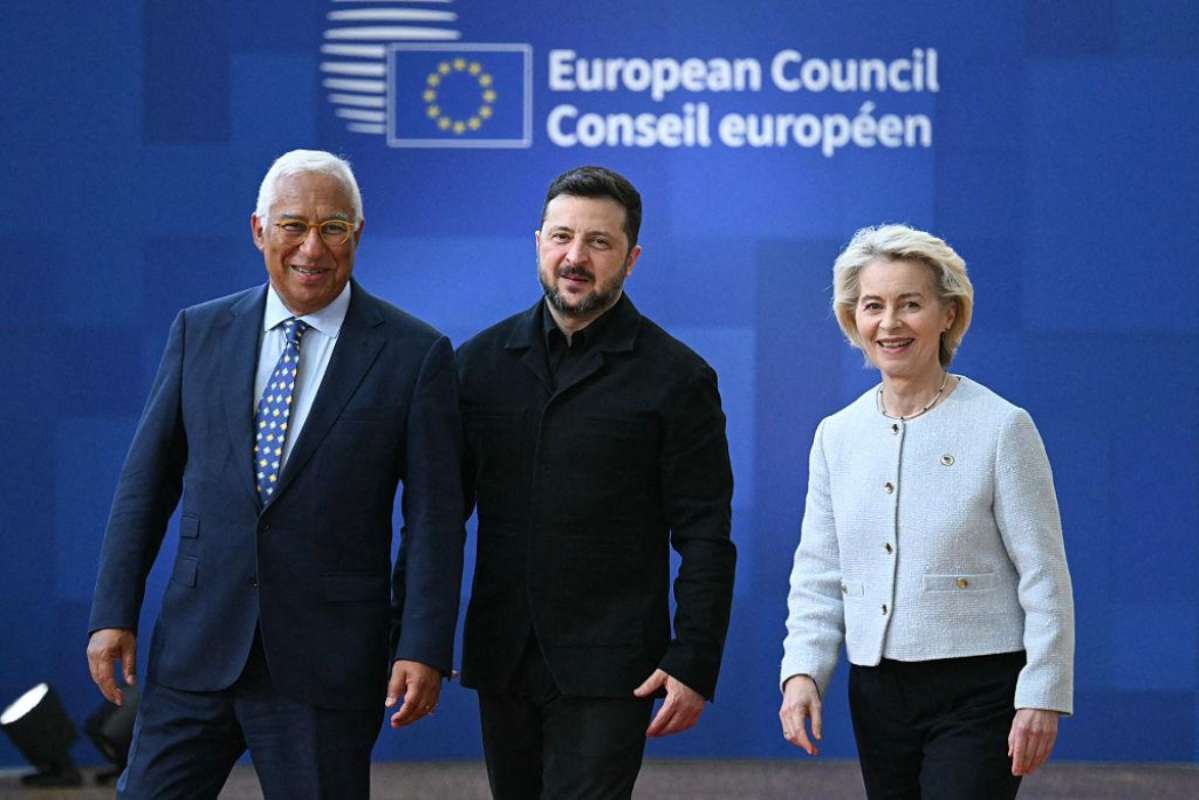
Ukrainian President Volodymyr Zelenskyy is confronting an increasingly complicated diplomatic environment.
Relations with Donald Trump have deteriorated following Washington’s criticism of renewed Ukrainian strikes against Russian oil refineries.
Trump argues that the attacks contribute to higher international oil prices and undermine efforts to stabilize energy markets.
Kyiv maintains that Russian energy infrastructure plays an important role in financing Moscow’s military operations.
Ukrainian officials also argue that Russia continues to target Ukraine’s own energy facilities, making unilateral restrictions on Ukrainian operations unacceptable.
According to the Financial Times, European leaders have considered urging Zelenskyy to reduce his public confrontation with the American president.
Their objective is to preserve communication with Washington despite serious disagreements over Russia, energy policy and the conduct of the war.
Europe’s approach therefore involves two simultaneous priorities: maintaining support for Ukraine while avoiding a deeper diplomatic rupture with the United States.
Europe Searches for Sustainable Financing for Ukraine
The debate over Russian sovereign assets has gained urgency because of Ukraine’s continuing financial requirements.
The European Union has already approved a €90 billion support package for Kyiv, but substantial needs remain in defense, public administration and infrastructure reconstruction.
European governments are seeking financing arrangements capable of supporting Ukraine over the longer term while limiting additional pressure on national budgets.
Using frozen Russian assets is politically attractive to several governments because it could provide resources connected directly to the aggressor state.
However, opponents and cautious member states warn that poorly designed arrangements could undermine confidence in European financial institutions and expose governments to complex legal disputes.
The European Union must therefore balance immediate financing requirements against longer-term financial stability and legal certainty.
The Greek Dimension: Energy Security and European Solidarity
For Greece, the developments carry implications for both foreign policy and economic stability.
Athens participates in the EU’s common sanctions policy toward Russia and supports European decisions concerning assistance to Ukraine.
At the same time, fluctuations in international oil and natural gas markets directly affect the Greek economy.
Higher energy costs influence household spending, industrial competitiveness, transportation and public finances.
The debate over Russian assets also raises institutional questions relevant to all EU member states, including Greece.
These include the protection of European financial infrastructure, the legal framework governing sovereign assets and the ability of the Union to act collectively during major geopolitical crises.
For Athens, the challenge is to support a coordinated European position while remaining attentive to the economic consequences of changes in American and Russian energy policies.
EU Unity Faces a Major Test
The Brussels summit has exposed three interconnected challenges for the European Union.
The first is maintaining political, economic and military support for Ukraine despite uncertainty surrounding American policy.
The second is securing additional financing without creating unacceptable legal or financial risks.
The third is managing growing differences between European governments and the Trump administration.
The frozen Russian assets debate sits at the intersection of all three.
European leaders must decide whether a common financing mechanism can be established, how the risks would be distributed and what role the assets should play in any future diplomatic settlement.
At the same time, they must consider the broader consequences of Washington’s changing relationship with Moscow.
A Defining Moment for Europe’s Strategic Independence
The controversy over Russian sovereign assets is becoming a wider test of Europe’s ability to act independently in matters of security, finance and foreign policy.
The EU remains committed to supporting Ukraine, but its member states differ over how far they should go in mobilizing Russian assets and accepting potential legal liabilities.
Washington’s renewed engagement with Moscow has added another layer of uncertainty.
European governments must now navigate a situation in which American economic priorities, Ukrainian military requirements and European legal constraints do not always align.
The central question for Brussels is whether the 27 member states can agree on a durable strategy for Ukraine while preserving cooperation with Washington and maintaining confidence in Europe’s financial system.
The decisions surrounding Russia’s frozen assets could become one of the most consequential tests of that strategy.
For Ukraine, the outcome may shape the availability of future financial assistance.
For the European Union, it will demonstrate how effectively the bloc can translate political commitments into collective action during a period of profound geopolitical uncertainty.
Source: pagenews.gr
Διαβάστε όλες τις τελευταίες Ειδήσεις από την Ελλάδα και τον Κόσμο