U.S., China reach $30 billion tariff deal after Trump-Xi summit
 ΧΡΟΝΟΣ ΑΝΑΓΝΩΣΗΣ 6 '
Πηγή Φωτογραφίας: AP Photo//U.S., China reach $30 billion tariff deal after Trump-Xi summit



The United States and China are taking another step away from the trade confrontation that shook global markets last year.
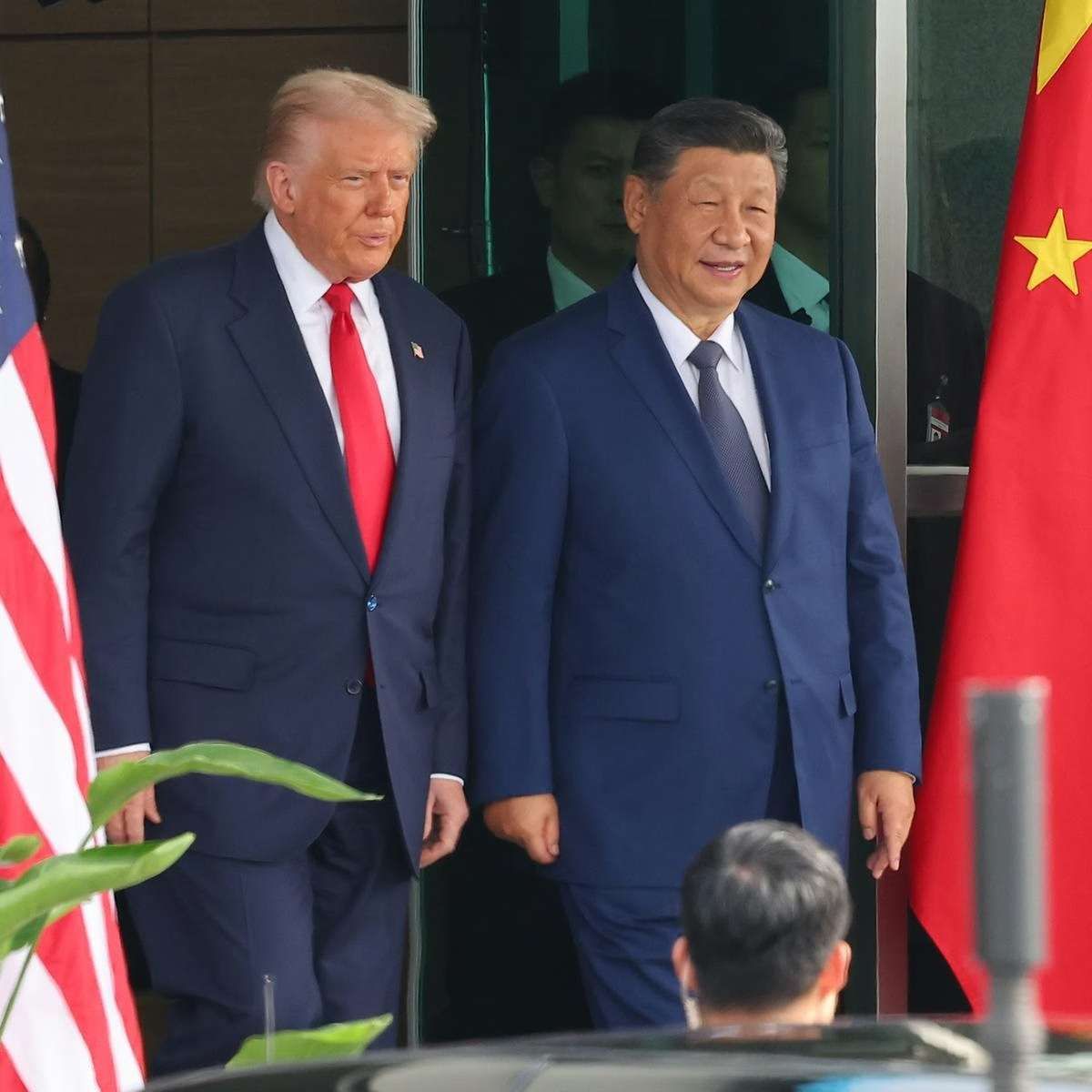
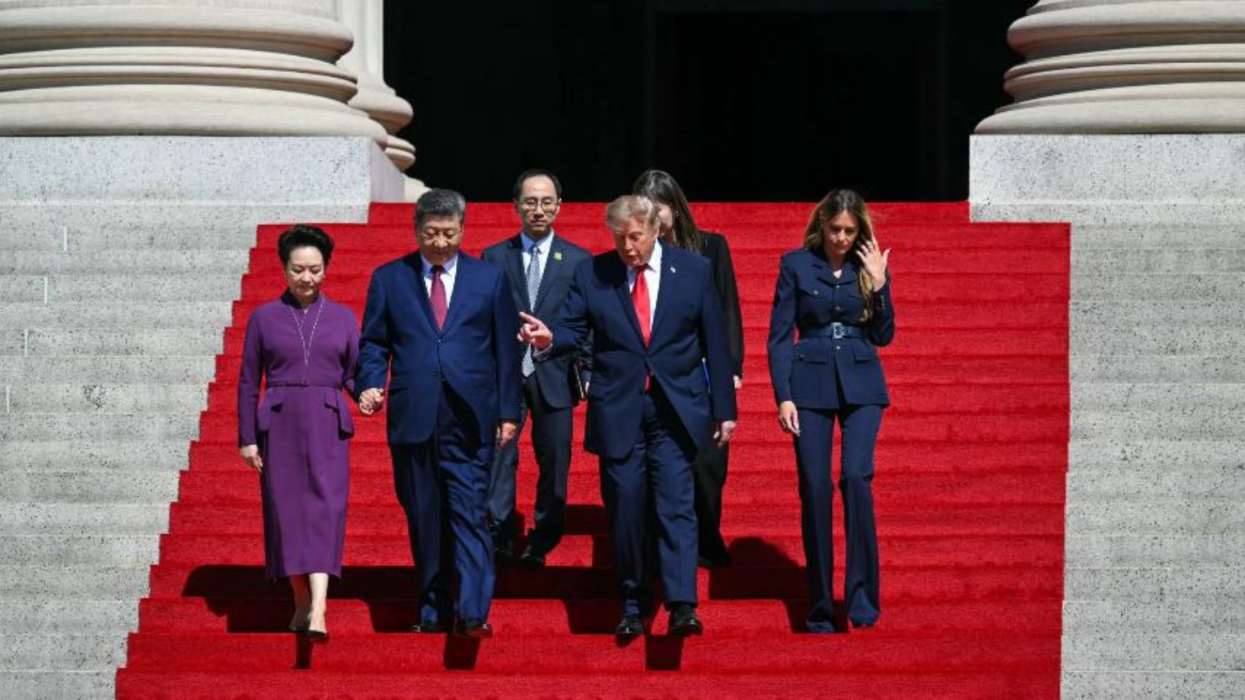
Following the summit between President Donald Trump and Chinese President Xi Jinping, Washington announced an agreement covering $30 billion worth of “non-sensitive goods” in each direction, with the two sides moving toward more favorable tariff treatment for selected products.
It is not the end of the U.S.-China trade war.
But it is a significant attempt to carve out a protected lane for ordinary trade while the two powers continue to compete over technology, critical minerals and national security.
What China will open up
According to the White House, the arrangement covers a series of American exports to China, including:
- agricultural products,
- fish and seafood,
- logs and wood products,
- cosmetics,
- medical devices.
The two governments have also launched a working group aimed at tackling barriers to agricultural market access.
For American farmers and exporters, that potentially means greater access to one of the world’s largest consumer markets.
Toys, appliances and car seats
The U.S. side will offer more favorable tariff treatment to selected Chinese consumer products.
Among them:
- small appliances,
- toys,
- holiday decorations,
- children’s car seats.
This part of the agreement matters directly to American consumers.
Tariffs imposed on imported products can ultimately feed through into higher costs somewhere along the supply chain. Reducing the tariff burden on selected consumer goods could therefore ease some price pressure, although the actual effect at the checkout will depend on how much of the reduction companies pass on to consumers.
The other big number: 10 million tons of coal
There is another major commitment buried in the package.
China has agreed to import at least 10 million metric tons of U.S. coal in 2027.
And another 10 million metric tons in 2028.
The commitment is politically important for Trump, who has repeatedly promoted the revival of the American coal industry.
It is also a striking reversal after Chinese purchases of U.S. coal fell sharply during the trade confrontation.
The message from Washington is clear:
the new U.S.-China détente is not just about lowering barriers.
Trump wants it translated into concrete Chinese purchases of American goods.
The $30 billion mechanism
The agreement comes through the U.S.-China Board of Trade, created as part of the broader framework negotiated between the two governments earlier this year.
The idea is revealing.
Washington and Beijing are not attempting to remove their strategic competition.
Instead, they are trying to separate parts of the economic relationship.
Sensitive sectors — semiconductors, advanced technology, national security and critical supply chains — remain heavily contested.
But a different lane is being built for “non-sensitive goods.”
That could allow trade to expand in politically safer areas even as confrontation continues elsewhere.
But the biggest problem remains: rare earths
This is where the agreement becomes much less complete.
The White House statement is notably more cautious on rare earths and other critical minerals, one of the most strategically important disputes between Washington and Beijing.
It says:
“The United States and China continue to work on U.S. concerns regarding supply chain shortages related to rare earths and other critical minerals, with the goal of ensuring shipment levels return to appropriate levels.”
In diplomatic language, that means the issue is still open.
And it is a major one.
Rare earths are essential to industries ranging from advanced electronics and electric vehicles to defense systems.
China’s dominant position in processing and supply has therefore become a strategic vulnerability for Washington.
Trump and Xi lower the temperature — without ending the rivalry
The agreement points to an important change in the relationship.
The U.S. and China are not suddenly becoming economic partners without strategic differences.
The competition remains intense.
But Trump and Xi are trying to create mechanisms capable of preventing every dispute from escalating into a full-scale trade confrontation.
The new Board of Trade handles non-sensitive commerce.
A separate Board of Investment is being established to discuss investment opportunities and barriers.
And the two governments are simultaneously trying to manage disputes over critical minerals.
A thaw, not a trade peace
That distinction matters.
The $30 billion agreement does not dismantle the wider tariff architecture between the two economies.
Nor does it resolve the strategic conflicts over technology, supply chains or rare earths.
What it does is create a limited area where both governments believe cooperation is still possible.
For Trump, that means more market access for American agriculture and industry — plus major Chinese purchases of U.S. coal.
For Xi, it means lower barriers on selected Chinese consumer exports and a mechanism for keeping commercial relations functioning.
And for global markets, the signal is perhaps the most important part:
Washington and Beijing are trying to manage their economic rivalry rather than allow every disagreement to become another trade war.
The $30 billion deal therefore marks a thaw.
But the unresolved battle over rare earths shows just how far the two powers remain from a genuine trade peace.
Source: pagenews.gr
Διαβάστε όλες τις τελευταίες Ειδήσεις από την Ελλάδα και τον Κόσμο