Iran Warns: ‘If We Don’t Sell Oil, No One Will’ — Tehran Puts Gulf Infrastructure on Notice
 ΧΡΟΝΟΣ ΑΝΑΓΝΩΣΗΣ 7 '
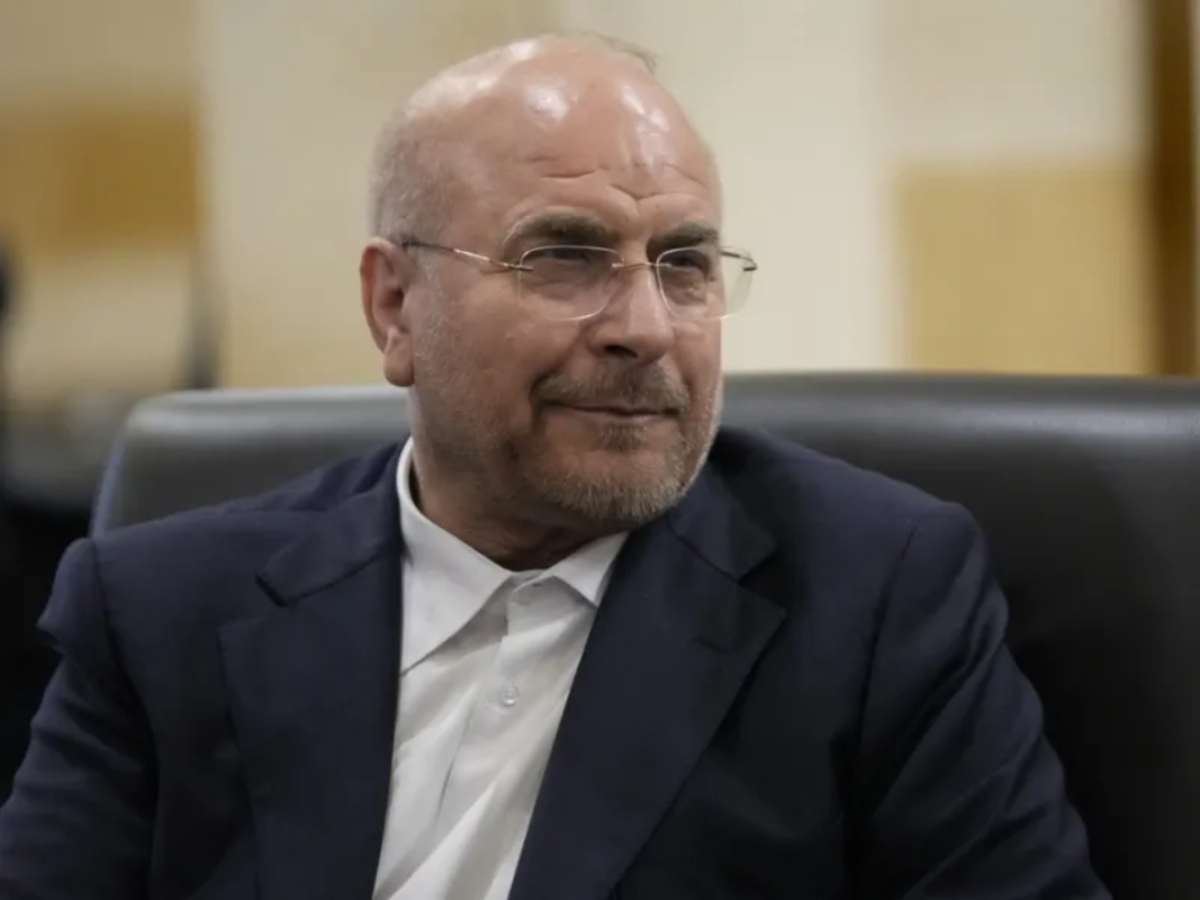
Πηγή Φωτογραφίας: AP Photo//Iran Warns: ‘If We Don’t Sell Oil, No One Will’ — Tehran Puts Gulf Infrastructure on Notice



Iran has issued one of its starkest energy warnings yet, directly linking its ability to export oil with the security of energy infrastructure across the wider Gulf.
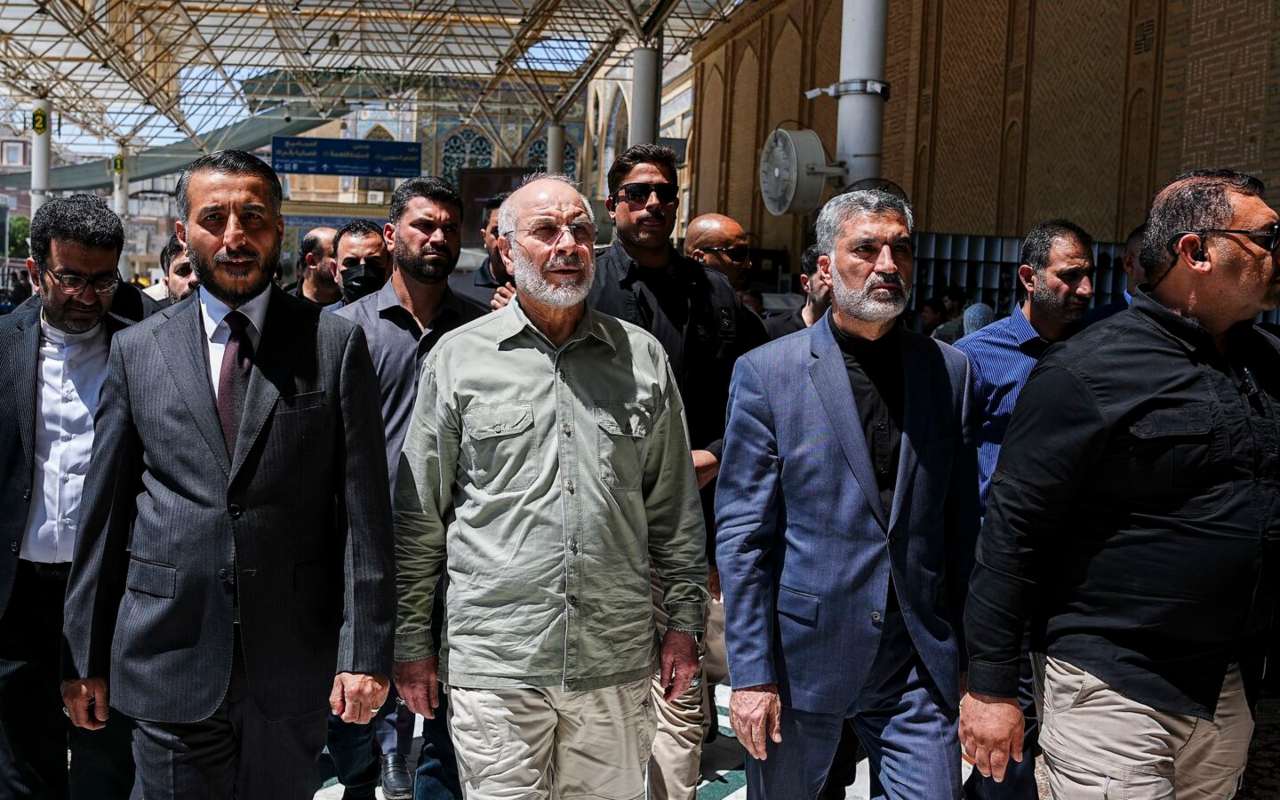
Iranian Parliament Speaker Mohammad Bagher Ghalibaf told lawmakers that neither Washington nor neighboring states should assume regional oil exports can continue normally if Iran itself is prevented from selling its crude.
“As we have said before, in any region where we do not sell oil, no one will sell oil,” Ghalibaf said.
Then came the broader warning:
“If our security is not guaranteed, no infrastructure will be safe.”
The language significantly raises the geopolitical stakes around the Strait of Hormuz and the wider Gulf energy network.
A Message to Washington — and the Gulf
Ghalibaf’s warning was not directed exclusively at US President Donald Trump.
He explicitly referred to both “the Americans and other countries.”
That distinction matters.
Iran is effectively warning that pressure on its own oil exports cannot be separated from the security of the broader regional energy system.
Ghalibaf did not identify Saudi Arabia, the United Arab Emirates or any particular oil installation as a target.
Nor did he announce an imminent Iranian attack.
But his reference to regional infrastructure widens Tehran’s deterrence message beyond the Strait of Hormuz itself.
Hormuz Returns to the Center of the Crisis
Behind the confrontation lies the world’s most strategically important oil chokepoint: the Strait of Hormuz.
Ghalibaf rejected Trump’s claims that the United States controls the waterway, describing them as baseless.
For Tehran, Hormuz is more than a shipping lane.
It is leverage.
Iran’s strategic argument is straightforward: if Washington can restrict Iranian energy exports while oil from neighboring Gulf states continues moving to global markets, Tehran loses both revenue and bargaining power.
By threatening wider disruption, Iran is attempting to raise the potential cost of maintaining that pressure.
‘No One Will Sell Oil’
The formulation is deliberately stark.
Iran is not simply warning that military escalation could accidentally disrupt energy markets.
Ghalibaf is explicitly connecting the fate of Iranian exports to those of other producers.
That does not mean Tehran can literally prevent every barrel of regional oil from reaching international markets.
But it signals the deterrence doctrine Iran wants Washington, Gulf capitals and commodity traders to understand:
an attempt to isolate Iranian oil could generate costs far beyond Iran itself.
IRGC Hits Back at Trump
The escalation is also coming from Iran’s Islamic Revolutionary Guard Corps.
The IRGC has sharply criticized Trump following his recent threats against Tehran, arguing that US military pressure will not force Iran to retreat.
The confrontation intensified following Trump’s speech at the UN General Assembly, where the US president threatened devastating consequences for Iran in the event of further escalation.
Ghalibaf responded that Tehran does not seek war but remains prepared to defend itself.
That combination — denying an intention to start a war while threatening severe retaliation — has become central to Iran’s current deterrence posture.
Oil Is Becoming a Negotiating Weapon
The significance of Ghalibaf’s intervention goes beyond military rhetoric.
Iran’s oil exports are central to its economy and therefore central to Washington’s pressure campaign.
For Tehran, restrictions on its ability to sell crude are not simply another sanctions instrument. They affect the state’s access to foreign currency and its broader capacity to withstand economic pressure.
That explains why oil is increasingly being folded into the wider diplomatic confrontation.
Tehran’s message is that it will not accept a regional arrangement in which Iranian barrels are squeezed out while competing Gulf exporters continue operating normally.
Diplomacy Has Not Disappeared
The escalation is unfolding even as diplomatic channels remain active.
US and Iranian officials have continued indirect contacts through intermediaries, meaning that confrontation and negotiation are taking place simultaneously.
This creates an increasingly complex dynamic.
Iran is trying to negotiate from a position in which the cost of excluding it from regional energy flows appears potentially greater than the cost of reaching an accommodation.
Oil therefore becomes three things at once:
an economic lifeline,
a bargaining instrument,
and a tool of strategic deterrence.
Why This Matters Far Beyond Iran
Any significant disruption to Gulf oil infrastructure or shipping would have consequences far beyond the Middle East.
The risks would extend to:
- global crude and refined-product flows;
- tanker freight and insurance costs;
- European fuel prices;
- inflation expectations;
- industrial and transport costs;
- and potentially monetary-policy calculations.
That is why every new threat involving Hormuz carries an immediate economic dimension.
The question for markets is not simply whether the strait is technically open.
It is how much geopolitical risk must be priced into every barrel moving through the region.
Saudi Arabia and the UAE Have Alternatives — But Not Immunity
Saudi Arabia and the United Arab Emirates have invested heavily in infrastructure designed to reduce their exposure to Hormuz.
Saudi Arabia’s East-West Pipeline can move crude toward the Red Sea, while the UAE can route part of its production through Fujairah, outside the strait.
Those alternatives provide strategic flexibility.
They do not completely insulate either economy from a wider regional confrontation.
That is precisely why Ghalibaf’s use of the word “infrastructure” matters.
His warning potentially broadens Iran’s deterrence rhetoric from the shipping lane itself to the wider network that allows Gulf energy to reach international markets.
Again, Tehran has not announced that any particular Saudi or Emirati installation will be attacked.
But the ambiguity is part of the pressure.
Iran’s New Message: ‘All or None’
Ghalibaf’s statement encapsulates the pressure strategy Tehran wants its adversaries to confront:
if Iran is pushed out of the oil market, the cost of that exclusion could be internationalized.
This should not be read as proof that Iran has decided to attack Gulf oil infrastructure.
Nor does it mean Tehran has the capacity to halt all regional oil exports.
The statement is primarily a threat and a deterrence instrument.
But its audiences are unmistakable.
To Washington, Iran is saying that economic isolation can carry a global energy price.
To Gulf producers, it is warning that their ability to continue exporting cannot necessarily be separated from Iran’s own security.
And to commodity markets, Tehran is reminding traders that the Strait of Hormuz remains part of the geopolitical bargaining table.
That is what makes Ghalibaf’s intervention more significant than another burst of hostile rhetoric.
Iran is attempting to transform one of its greatest vulnerabilities — restrictions on its oil exports — into leverage over the energy architecture of the entire Gulf.
Source: pagenews.gr
Διαβάστε όλες τις τελευταίες Ειδήσεις από την Ελλάδα και τον Κόσμο