Europe Shuts Down 35 Oil Refineries as Greece Emerges as a Strategic Energy Powerhouse
 ΧΡΟΝΟΣ ΑΝΑΓΝΩΣΗΣ 10 '
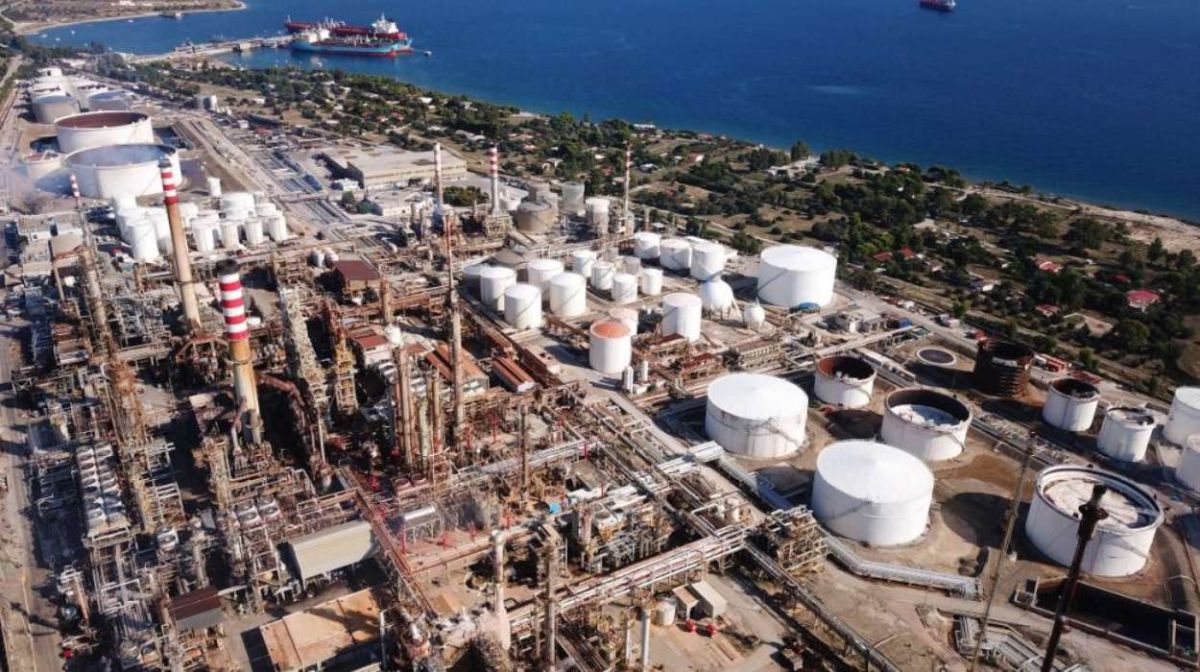
Πηγή Φωτογραφίας: AP Photo//Europe Shuts Down 35 Oil Refineries as Greece Emerges as a Strategic Energy Powerhouse



Europe is gradually losing one of its most important industrial assets: the ability to produce the fuels that power its transportation networks, industries, aviation, shipping and defense infrastructure.
As dozens of oil refineries disappear across the continent, Greece is emerging as an increasingly important refining and fuel-export hub in Southeastern Europe.
At the center of this transformation are HELLENiQ ENERGY and Motor Oil, two major Greek energy groups whose refining infrastructure, export capabilities and regional distribution networks provide a significant competitive advantage.
According to industry figures highlighted by FuelsEurope in October 2026, 35 European refineries have closed since 2009, eliminating approximately 20% of the continent’s refining capacity.
The decline is raising serious questions about Europe’s industrial resilience, energy independence and ability to withstand future geopolitical disruptions.
For Greece, however, the changing landscape creates opportunities to strengthen its role in European energy supply chains.
Europe’s Refining Crisis: A Strategic Industrial Retreat
The closure of European refineries represents more than a restructuring of the petroleum industry.
It reflects a broader industrial challenge facing the European Union, where high energy costs, environmental compliance requirements, international competition and declining demand for certain petroleum products are reshaping investment decisions.
Refineries remain essential to producing diesel, gasoline, jet fuel, marine fuels and other petroleum-derived products used throughout the economy.
Europe is already a net importer of diesel and jet fuel, according to FuelsEurope.
This dependence exposes the continent to international supply disruptions, shipping bottlenecks and geopolitical instability.
The consequences extend beyond consumer fuel prices.
They affect industrial production, logistics, agriculture, aviation and defense readiness.
A further reduction in domestic refining capacity could increase reliance on imported finished petroleum products, even as European policymakers emphasize strategic autonomy and supply-chain security.
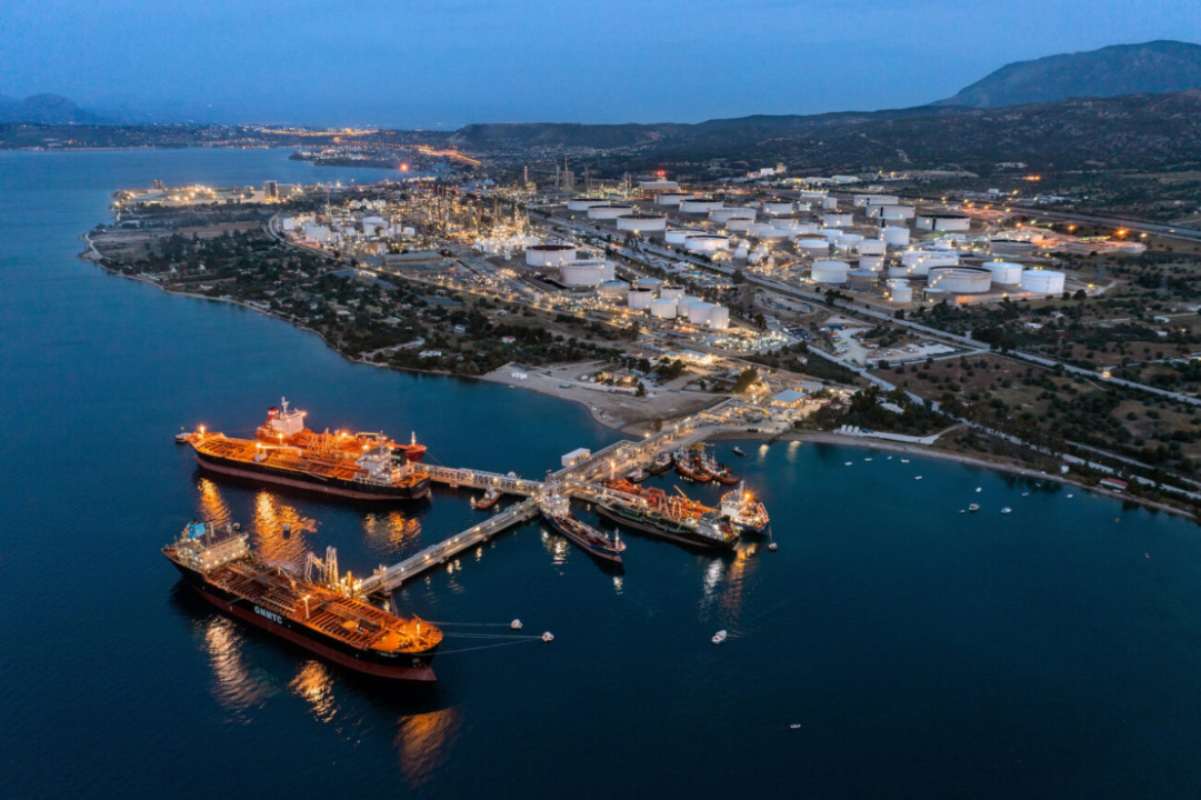
HELLENiQ ENERGY: Greece’s Refining and Export Giant
HELLENiQ ENERGY operates three major refineries in Greece, located in Aspropyrgos, Elefsina and Thessaloniki.
Together, these facilities account for approximately 61% of Greece’s refining capacity.
According to the group’s 2025 annual reporting, their combined processing capacity is approximately 17.4 million tonnes annually, supported by storage infrastructure totaling around 6.9 million cubic meters.
The group’s strategic importance extends well beyond Greece’s domestic fuel market.
In 2025, exports reached approximately 7.9 million tonnes, representing 54% of total refining product sales.
This export-oriented structure allows the company to serve international markets and respond to changing regional demand.
As refining capacity contracts elsewhere in Europe, the ability to maintain reliable production and export volumes becomes increasingly valuable.
The group’s geographical position also offers access to Mediterranean shipping routes and the expanding energy markets of Southeastern Europe.
Motor Oil: The Corinth Refinery Gains Strategic Importance
Motor Oil, another major pillar of Greece’s energy industry, operates its principal refinery at Agioi Theodoroi, near Corinth.
Its location provides access to international maritime trade routes, while its refining, storage and distribution infrastructure supports both domestic consumption and exports.
The company’s role is becoming increasingly relevant as Europe reassesses the importance of maintaining refining capacity within its borders.
For Motor Oil, the challenge is to preserve competitiveness in conventional refining while developing new energy businesses and adapting to increasingly demanding environmental standards.
Its existing industrial infrastructure and international commercial relationships provide a platform for navigating the transition.
The strategic value of Greek refining therefore lies not simply in production volumes, but also in the ability to supply neighboring markets when international fuel flows are disrupted.
Russia’s Retreat Creates New Opportunities in the Balkans
One of the most significant developments reshaping European petroleum markets is the reduction of Russian energy supplies following sanctions and changes in international trade.
European countries that previously relied on Russian petroleum products have been forced to diversify their supply chains.
This restructuring has created opportunities for refiners and fuel distributors capable of serving Central and Southeastern Europe.
Greece is particularly well positioned geographically.
Its ports, refineries and regional distribution infrastructure provide access to markets across the Balkans.
The Thessaloniki–Skopje fuel pipeline illustrates the strategic importance of these connections.
Its return to operation strengthens regional supply options and supports the transportation of petroleum products toward North Macedonia and neighboring markets.
HELLENiQ ENERGY has also reported stronger regional sales and market positions in Southeastern Europe.
Market discussions have pointed to potential acquisition opportunities for Greek refining groups in the Balkans and Central Europe, particularly in fuel storage, distribution and industrial assets.
However, no specific transaction should be treated as confirmed without an official corporate announcement.
The broader trend is clear: the restructuring of European fuel markets is creating opportunities for companies with established infrastructure, logistics capabilities and access to international supplies.
Brussels Moves Toward a Strategic Dialogue on Refining
The European Commission is increasingly recognizing the importance of refining capacity for Europe’s energy security and industrial resilience.
On October 7, 2026, FuelsEurope welcomed the announcement by European Commission President Ursula von der Leyen of a Strategic Dialogue on the future of European refineries.
The initiative involves Energy Commissioner Dan Jørgensen and Defense and Space Commissioner Andrius Kubilius.
Their participation underscores the growing connection between refining capacity, energy security and defense preparedness.
The initiative follows recognition by G7 leaders of the strategic importance of refining.
FuelsEurope Director General Liana Gouta has emphasized the need to translate political recognition of the industry’s importance into a coherent, long-term industrial strategy.
The industry is seeking greater regulatory predictability, stronger investment incentives and policies that address international competitive disadvantages.
The proposed dialogue could become an important forum for assessing supply risks, industrial competitiveness and the financing requirements of the energy transition.
The Cost of Europe’s Energy Transition
Despite their strategic importance, European refineries face substantial economic and regulatory pressures.
Energy-intensive refining operations must comply with increasingly demanding emissions standards while competing against facilities in regions with different environmental regulations and production costs.
Carbon pricing, electricity costs and the need for technological modernization can significantly affect profitability.
At the same time, the expansion of electric vehicles and changes in transportation demand are reshaping the long-term outlook for petroleum consumption.
The challenge for European policymakers is to balance decarbonization objectives with industrial competitiveness and energy security.
FuelsEurope argues that existing refineries can become important industrial platforms for producing renewable and lower-carbon fuels.
These include sustainable aviation fuels, advanced biofuels and synthetic fuels.
Such products could play an important role in sectors where direct electrification remains technically difficult or economically challenging.
For Greek refiners, the transition presents both substantial investment requirements and potential opportunities to develop higher-value energy products.
Windfall Taxes and the Battle Over Investment Capital
The changing geopolitical significance of European refining could also influence debates over taxation and industrial investment.
Energy companies argue that maintaining sufficient capital for modernization, decarbonization and infrastructure development is essential to long-term competitiveness.
This argument has particular relevance to discussions about extraordinary profit taxation and the allocation of resources generated during periods of elevated refining margins.
Governments, however, must also address the impact of high energy prices on households and businesses.
The policy challenge involves balancing public revenues, consumer protection and the investment needs of strategically important industries.
For HELLENiQ ENERGY and Motor Oil, a more supportive European industrial framework could improve the environment for long-term investment decisions.
Nevertheless, any changes to taxation or regulatory treatment would require specific political and legislative decisions.
Greece’s Geoeconomic Advantage in Southeastern Europe
Greece’s strategic position rests on a combination of geography, industrial infrastructure and established international commercial networks.
Its refineries have access to Mediterranean maritime routes, while distribution and storage facilities connect domestic production with neighboring markets.
This creates opportunities to strengthen Greece’s role as a regional supplier of refined petroleum products.
The country’s refining industry also contributes to industrial employment, export activity and the broader energy supply chain.
As Europe seeks to diversify energy supplies and reduce strategic vulnerabilities, maintaining competitive refining capacity may become increasingly important.
Yet Greece’s advantage is not guaranteed.
It depends on continued investment, operational efficiency, access to crude oil supplies, regulatory stability and the ability to adapt to changing energy demand.
A New European Energy Map Is Taking Shape
Europe faces a strategic contradiction.
While European leaders increasingly emphasize energy independence, industrial resilience and security of supply, the continent has already lost approximately one-fifth of its refining capacity since 2009.
The closure of 35 refineries illustrates the scale of the challenge.
For Greece, the restructuring of the European market offers an opportunity to reinforce its position as an energy and fuel-supply hub.
HELLENiQ ENERGY and Motor Oil possess substantial industrial infrastructure and international market access, positioning them to respond to shifts in European demand and supply chains.
The next phase of competition will not be determined solely by access to crude oil.
It will increasingly depend on which countries and companies can refine, store, transport and deliver essential fuels reliably while investing in the technologies required for a lower-carbon economy.
In that emerging geoeconomic landscape, Greece’s refining industry has the potential to play an increasingly important strategic role.
Source: pagenews.gr
Διαβάστε όλες τις τελευταίες Ειδήσεις από την Ελλάδα και τον Κόσμο