Europe Heads to Abu Dhabi as Moscow Keeps the Door Shut — Zelensky’s Double Challenge
 ΧΡΟΝΟΣ ΑΝΑΓΝΩΣΗΣ 7 '
Πηγή Φωτογραφίας: AP Photo/Europe Heads to Abu Dhabi as Moscow Keeps the Door Shut — Zelensky’s Double Challenge



Europe will be in Abu Dhabi. The question is how close it will be to the decisions.
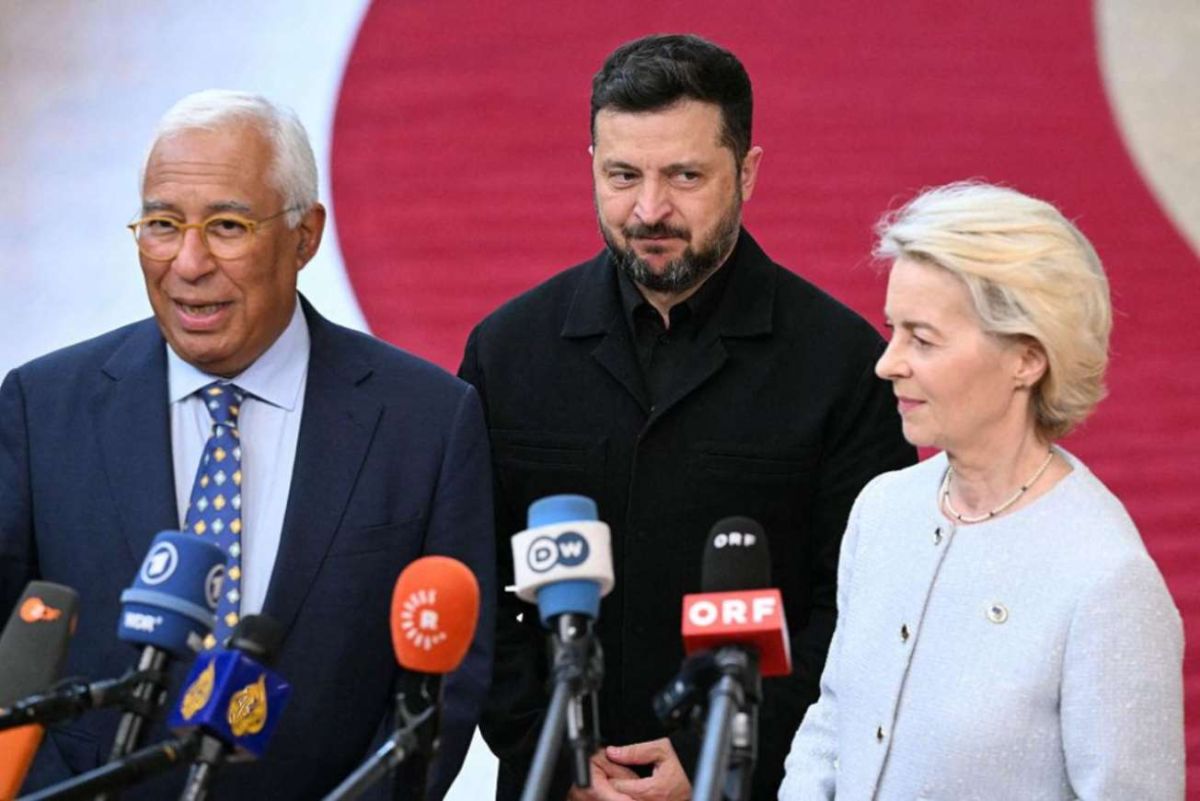
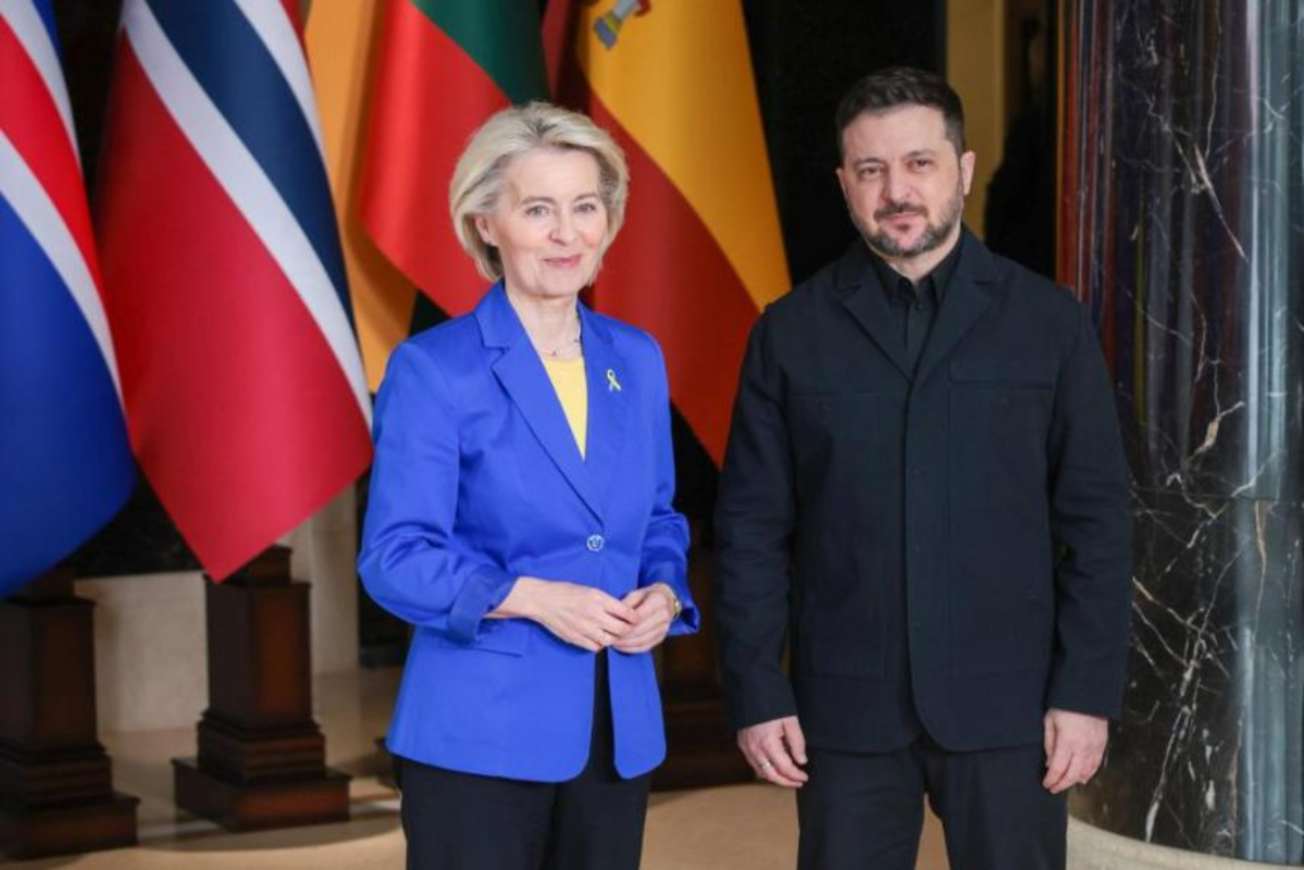
Ahead of renewed US-mediated negotiations between Ukraine and Russia, President Volodymyr Zelensky announced that he had coordinated positions with European Commission President Ursula von der Leyen. The Kremlin, meanwhile, insisted that the talks would remain strictly trilateral, involving Moscow, Kyiv and Washington.
The distinction between European attendance and direct participation lies at the heart of the diplomatic contest.Ukraine wants negotiations to advance without becoming detached from its European partners. The EU wants influence over decisions that directly affect its security.
Meetings are scheduled for Tuesday, November 10, and Wednesday, November 11. No agreement has been announced, and direct negotiations between European and Russian representatives have not been confirmed.
Zelensky and von der Leyen Coordinate Positions
“Ursula and I also coordinated our positions regarding the meeting in Abu Dhabi. We are doing everything to ensure that the trilateral format delivers results,” Zelensky said.
Their discussion extended beyond the composition of the talks. According to Ukraine’s presidency, the leaders addressed European security guarantees, recovery planning and support for Ukraine ahead of winter.
Kyiv also announced an agreement to activate a special European emergency assistance mechanism to address urgent needs. No specific funding amount or completed disbursement was disclosed.
The connection between diplomacy and immediate assistance is practical. Ukraine approaches negotiations while facing disruptions to electricity, water and heating. Supporting those systems concerns both civilians’ daily lives and the country’s ability to withstand pressure throughout the negotiating process.
Which Europeans Are Going — and in What Capacity?
The European Commission confirmed that the EU would participate in meetings in Abu Dhabi as part of the peace effort. Both the Commission and the European Council will be represented.
According to Euronews, the joint European team will be led by Björn Seibert, von der Leyen’s chief of cabinet, and Anna-Maria Boura, chief foreign policy adviser to European Council President António Costa.
Ukrainian delegation leader Rustem Umerov also announced the presence of representatives from the E4 — Britain, France, Germany and Italy — alongside NATO and the European Commission. Ukraine’s delegation will hold separate coordination meetings with them.
The E3 and E4 describe different groups of countries; neither is interchangeable with the EU. Britain participates as a separate European partner, while NATO’s presence adds a distinct alliance dimension.
The meaningful test of influence will be whether those consultations shape proposals before they are discussed with Russia, rather than simply brief Europeans afterward.
Moscow Insists on Three-Way Negotiations
The Kremlin moved quickly to limit expectations of an expanded negotiating format.
Russia’s position is that the talks will take place between Ukraine and Russia, with the United States acting as mediator. European contacts with Kyiv and Washington are presented by Moscow as separate channels.
That distinction allows Russia to acknowledge that European officials will be in the same city without accepting them as equal participants in the main negotiations.
French Foreign Minister Jean-Noël Barrot had said France would be in Abu Dhabi to participate in discussions. His announcement, alongside Moscow’s insistence on a trilateral format, illustrates how the precise arrangements remain diplomatically contested.
Kushner’s Agenda Extends Beyond Ending the Fighting
US envoys Jared Kushner and Steve Witkoff plan to consult Ukrainian and European partners before the trilateral meetings.
Kushner has outlined four interconnected priorities: ending the fighting, developing credible postwar security guarantees, preparing Ukraine’s economic recovery and advancing humanitarian measures.
He has also left open the possibility of a broader multilateral format if progress is made. That remains a potential development, rather than an agreed next stage.
The most sensitive issue is a possible shift from arrangements concerning Ukraine to a wider discussion of Europe’s security architecture. Such an agenda could extend well beyond the terms of a ceasefire.
Brussels maintains that decisions affecting European security require European participation. The Commission has also stressed that broader discussions about a European security framework should follow the end of the conflict.
Security Guarantees and the Kyiv–Moscow Divide
The sides enter negotiations with deep disagreements.
According to the Associated Press, Russia maintains territorial demands, opposes Ukrainian NATO membership and seeks restrictions on Ukraine’s armed forces. Ukraine rejects territorial concessions and military limitations, while seeking a ceasefire and guarantees capable of deterring another invasion.
For Europeans, the practical questions are substantial: who would guarantee an agreement, through which instruments and with what commitments?
European financial and political support could be crucial to implementing a settlement. That does not automatically deliver equivalent influence over its terms, but it helps explain why European capitals want involvement from the outset.
Black Sea Shipping, Energy and Food Security
Von der Leyen has also called for freedom of navigation in the Black Sea to be restored and preserved. She reiterated support for a ceasefire covering energy and food infrastructure.
That agenda links Ukraine’s resilience to broader European and international interests: safe maritime transport, functioning ports, agricultural exports and the protection of energy facilities.
Russia has not announced acceptance of that proposal. Nevertheless, it offers a concrete area in which the diplomatic restart could be assessed against practical results.
Protecting infrastructure would matter immediately to communities facing winter disruptions. Safer commercial routes would also have implications beyond Ukraine.
Europe Must Organize Its Own Voice
The challenge is not confined to Russia’s position. It also concerns Europe’s internal coordination.
Italian Prime Minister Giorgia Meloni has called for a dedicated European envoy, expressing concern about fragmented diplomatic formats. Costa agreed to place the issue on the agenda of the informal summit in Dublin later this week.
Multiple European representatives can broaden communication channels. Turning that presence into negotiating influence, however, requires a common mandate.
For Kyiv, Umerov framed the delegation’s objective as follows:
“Our goal is lasting and sustainable peace, guaranteed security for Ukraine, and real opportunities for Ukraine’s post-war recovery.”
Source: pagenews.gr
Διαβάστε όλες τις τελευταίες Ειδήσεις από την Ελλάδα και τον Κόσμο