Why Xi Refused to Hand Trump an Iran Breakthrough: Four Obstacles and China’s Strategic Bargain
 ΧΡΟΝΟΣ ΑΝΑΓΝΩΣΗΣ 11 '
Πηγή Φωτογραφίας: AP Photo//Why Xi Refused to Hand Trump an Iran Breakthrough: Four Obstacles and China's Strategic Bargain



“We don’t need any help. We’ve defeated their navy, we’ve defeated their air force, we’ve defeated their anti-aircraft.”
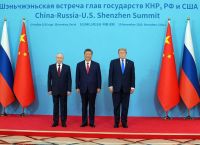
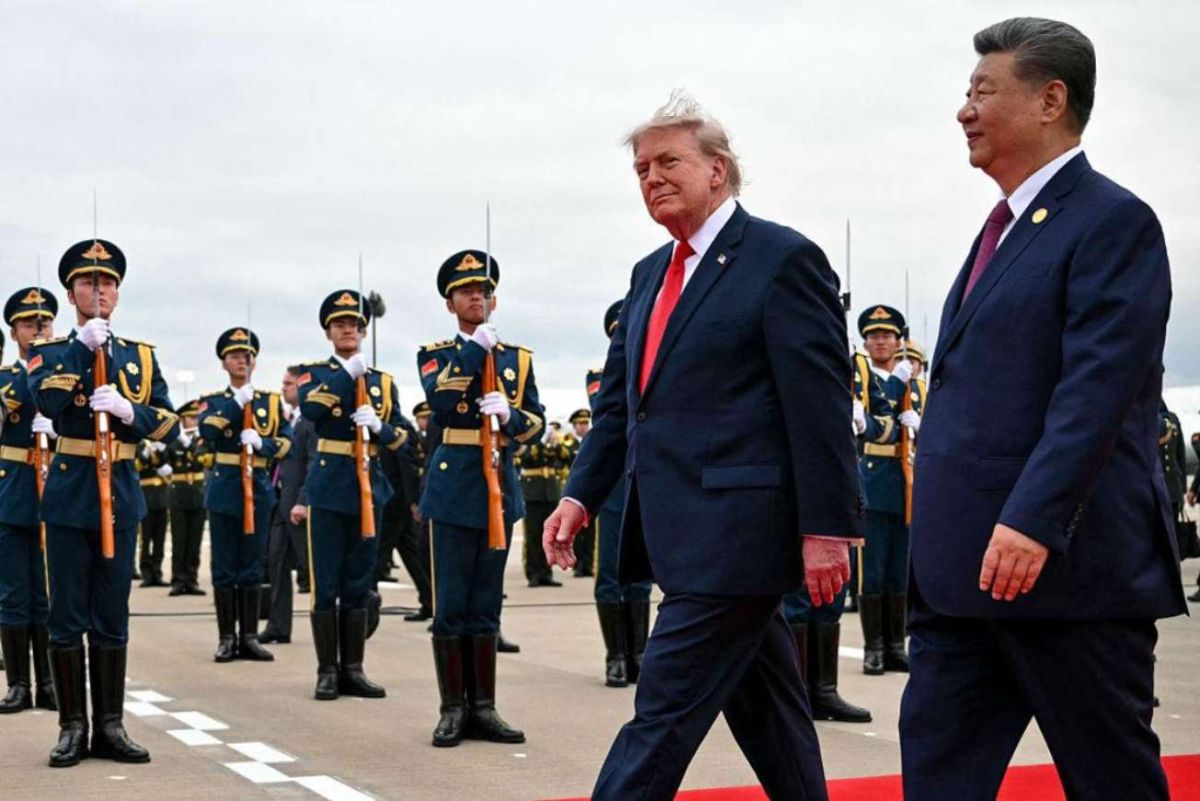
With those words, US President Donald Trump sought to project American military dominance over Iran ahead of his meeting with Chinese President Xi Jinping in Shenzhen.
Yet behind the confident declaration lies a far more complicated diplomatic reality: ten months into the Iran war, Washington is still searching for an exit, while Beijing appears unwilling to help deliver one without securing something in return.
The third substantial Trump-Xi meeting since the conflict began raised expectations that China might use its economic and diplomatic influence over Tehran to help broker an agreement.
No breakthrough emerged.
According to an analysis by Joyce Karam in Al-Monitor, four factors explain Beijing’s reluctance: the mounting cost of the conflict for Washington, China’s limited leverage over Iran’s leadership, the greater appeal of narrower regional agreements, and the possibility of using cooperation on Iran as bargaining power in negotiations with the United States.
1. The Iran War Is Costing Washington Billions — And China Is Watching
The prolonged conflict has imposed a substantial military and financial burden on the United States.
According to a Congressional Budget Office estimate cited by Al-Monitor, US military operations related to the Iran war had cost the Pentagon approximately $38 billion through August 1, 2026.
The figure includes replacement munitions, equipment losses and additional operational expenses.
But the financial cost is only part of the problem.
The war continues to tie down American aircraft carriers, fighter jets and other military assets in the Middle East at a time when Washington considers the Indo-Pacific central to its strategic competition with China.
The arrival of the USS Theodore Roosevelt in Middle Eastern waters temporarily brought the number of American aircraft carriers in the region to three, before the USS George Washington departed shortly afterward.
For Beijing, that deployment carries strategic significance.
American forces committed to the Persian Gulf are forces that cannot simultaneously be deployed elsewhere, including in Asia.
This does not mean China welcomes an uncontrolled regional war. Its economy remains highly exposed to disruptions in global energy supplies.
It does mean, however, that Beijing has limited incentive to help Washington free up military resources without receiving something in exchange.
America’s Strategic Oil Reserves Have Fallen by 139 Million Barrels
The strain on US resources is also evident in the country’s Strategic Petroleum Reserve.
According to figures cited by Al-Monitor, American emergency oil reserves stood at 276.4 million barrels on November 13, down from 415.4 million barrels before the war.
That represents a decline of approximately 139 million barrels, or 33.5%.
The reduction illustrates the extent to which the United States has drawn on its emergency energy buffer during the crisis.
For China, the implications are mixed.
A major oil supply disruption would damage the Chinese economy, which depends heavily on imported energy.
At the same time, sustained pressure on American energy reserves creates additional economic and political challenges for the Trump administration.
Beijing therefore has reasons to favor market stabilization without necessarily assuming responsibility for delivering a comprehensive peace agreement.
2. China Has Leverage Over Tehran — But Not Control of the Revolutionary Guards
China is a major economic partner of Iran, with influence rooted in trade, energy purchases and diplomatic engagement.
However, economic influence does not translate into control over Iranian strategic decisions.
According to Al-Monitor, Iran’s new leadership is more hardline than its predecessors and is considering changes to the country’s nuclear doctrine.
The Islamic Revolutionary Guard Corps (IRGC) plays a central role in regional military strategy.
That creates a serious obstacle for Chinese mediation.
Beijing can apply diplomatic pressure and offer economic incentives, but it cannot guarantee that Tehran will accept American demands.
Nor can China independently deliver two concessions Iran considers particularly important: relief from US sanctions and a reduced American military presence in the Persian Gulf.
Those decisions belong to Washington.
Even if Xi were prepared to act as a mediator, he could not guarantee that Iran would accept the terms of a US-backed settlement.
This is the fundamental limitation of China’s diplomatic position.
Its relationship with Tehran provides access and influence, but not the authority to dictate the outcome of negotiations.
3. Beijing May Prefer Smaller Gulf Agreements to a Comprehensive Peace Deal
China has already demonstrated its ability to facilitate diplomatic agreements in the Middle East.
In 2023, Beijing played a significant role in the restoration of diplomatic relations between Saudi Arabia and Iran.
That achievement offers a possible model for the current crisis.
Rather than attempting to negotiate a comprehensive US-Iranian settlement, China could focus on narrower regional security arrangements.
Such agreements might involve protecting Gulf energy infrastructure, preventing attacks on neighboring states and improving the safety of commercial shipping.
Beijing has maintained diplomatic engagement with Iran, Oman and Saudi Arabia, while also developing channels relevant to the Houthis.
For China, limited agreements could produce immediate economic benefits.
They could reduce the risk of disruption to oil shipments and regional trade without requiring Beijing to guarantee the implementation of a broader peace settlement.
The Strait of Hormuz Is the Most Dangerous Test
The importance of this approach has become even clearer following new Iranian claims involving commercial shipping in the Strait of Hormuz.
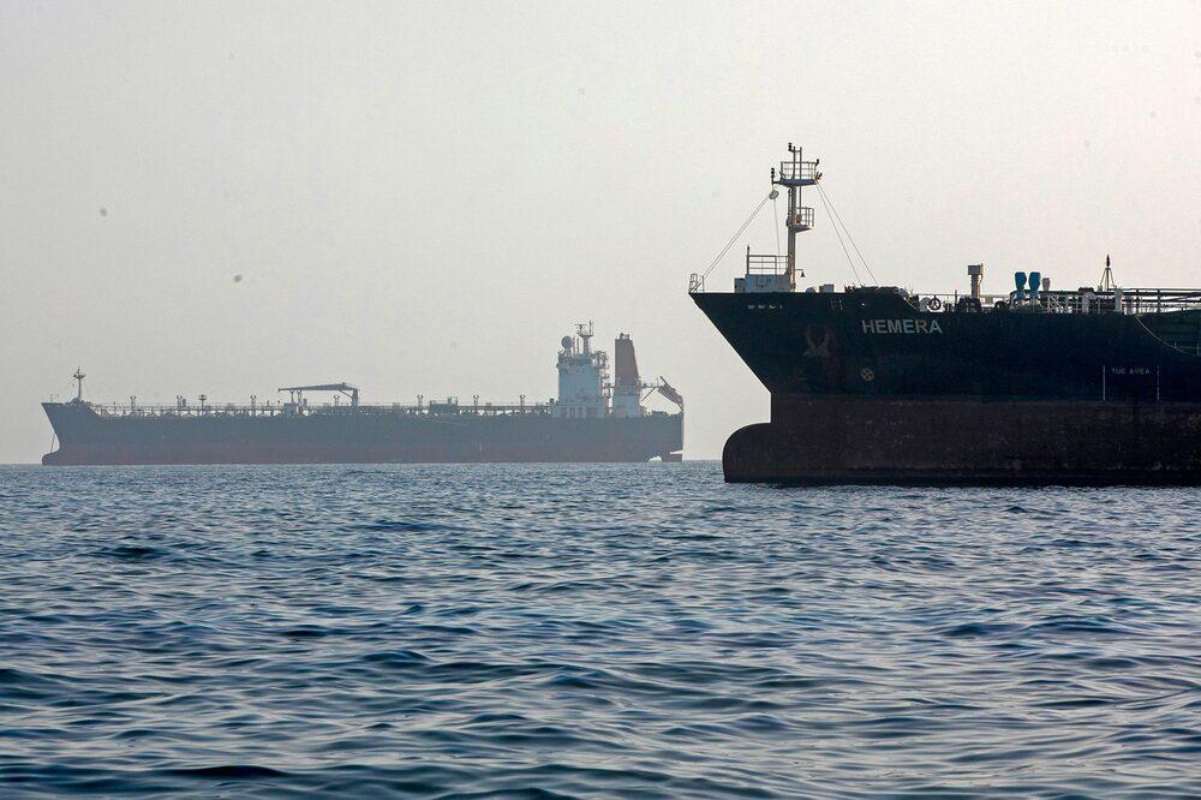
On November 19, the IRGC Navy claimed that two supertankers carrying more than 4 million barrels of crude oil had struck naval mines while traveling through the waterway.
Those claims had not been independently verified when they were reported.
Nevertheless, they highlight the risks surrounding one of the world’s most important energy corridors.
China has a direct economic interest in preventing further disruption to Gulf shipping.
A limited agreement focused on maritime security could therefore be more attractive to Beijing than a sweeping diplomatic settlement involving nuclear restrictions, sanctions and American military deployments.
Such an arrangement would not end the war.
It could, however, reduce some of its most damaging economic consequences.
4. Tariffs, Technology and Taiwan: Iran as a Bargaining Chip
The fourth obstacle lies in the broader relationship between China and the United States.
Beijing could view assistance in resolving the Iran conflict as leverage in negotiations with Washington.
The two powers remain deeply divided over trade tariffs, advanced technology restrictions and Taiwan.
China might seek concessions on some of these issues in exchange for a more substantial diplomatic role in the Middle East.
That possibility is an assessment of Beijing’s strategic incentives, not evidence of a confirmed Chinese demand.
The political situation in Washington makes such a bargain even more difficult.
Following Republican losses in the US midterm elections, Trump faces a more challenging congressional environment.
Greater legislative scrutiny could limit his room for maneuver on sensitive foreign policy issues.
Taiwan, in particular, remains one of the most contentious questions in US-China relations.
Any suggestion that Washington might soften its position on Taiwan in exchange for Chinese assistance over Iran would face intense political resistance.
Beijing may be willing to help manage the Iran crisis. But Washington should not assume that such assistance would come free of strategic conditions.
Trump Says America Needs No Help — But Military Victory Has Not Delivered Peace
Ahead of the Shenzhen summit, Trump emphasized what he described as America’s military successes against Iran.
“We don’t need any help,” he declared.
His comments reflected confidence in the ability of US forces to weaken Iranian military capabilities.
Yet military superiority and a negotiated political settlement are fundamentally different objectives.
Destroying an adversary’s military infrastructure does not automatically compel its leadership to accept diplomatic terms.
In Iran’s case, the nuclear program, economic sanctions, regional security and the American military presence in the Gulf are closely interconnected.
Trump has also signaled that he is in no hurry to decide whether to authorize another major military operation.
Speaking to Axios from Air Force One after his China visit, he said:
“I am not rushing into any decision [on Iran]. We will see what happens after the beginning of the year.”
The statement suggests that the White House has not publicly committed to an immediate new bombing campaign.
But it does not remove the possibility of further escalation.
Meanwhile, diplomatic negotiations remain deadlocked.
“No War, No Peace”: The Deadlock Facing Washington and Tehran
Iranian parliament speaker and chief negotiator Mohammad Bagher Ghalibaf has described the country’s predicament as a state of:
“No war, no peace.”
The phrase captures the contradiction at the heart of the crisis.
Military confrontation continues, but neither side has secured a decisive political outcome.
The United States maintains a substantial military presence in the Middle East.
Iran has not accepted Washington’s preferred terms.
Israel continues to press for further military action, while Gulf governments fear renewed attacks on energy facilities and critical infrastructure.
China, meanwhile, seeks to protect its economic interests without assuming disproportionate diplomatic or strategic costs.
The result is a prolonged confrontation in which all major players have reasons to avoid an uncontrolled escalation, but insufficient common ground to reach a comprehensive agreement.
Why the Shenzhen Summit Failed — And What Comes Next
The Trump-Xi summit failed to produce an Iran breakthrough because Washington and Beijing have different priorities and unequal influence over Tehran.
The United States wants a way out of a conflict that has consumed considerable military resources and financial reserves.
China wants stable energy markets and secure shipping routes, but it has little reason to help its principal strategic competitor without considering the wider diplomatic benefits.
Iran’s Revolutionary Guards remain influential in the country’s military decision-making, further limiting Beijing’s ability to guarantee a settlement.
Narrower agreements protecting maritime trade and Gulf energy infrastructure may offer a more realistic starting point.
But they would not resolve the fundamental disagreements over Iran’s nuclear program, sanctions or the American military presence in the region.
Xi can help manage the crisis, but he cannot make Tehran’s decisions. Trump can seek Chinese cooperation, but he may not be willing to pay the diplomatic price Beijing could demand.
That is why the Shenzhen summit ended without the breakthrough some observers had anticipated.
The Iran conflict has become more than a confrontation between Washington and Tehran.
It is also part of the wider strategic competition between the world’s two largest economies.
For Trump, ending the Iran war would release American resources and reduce political pressure. For Xi, helping him achieve that outcome is an opportunity — not an obligation.
Source: pagenews.gr
Διαβάστε όλες τις τελευταίες Ειδήσεις από την Ελλάδα και τον Κόσμο