Can Brussels Keep Le Pen’s Politics Out of the EU’s €1.6 Trillion Budget?
 ΧΡΟΝΟΣ ΑΝΑΓΝΩΣΗΣ 4 '
Πηγή Φωτογραφίας: AP Photo/Can Brussels Keep Le Pen’s Politics Out of the EU’s €1.6 Trillion Budget?



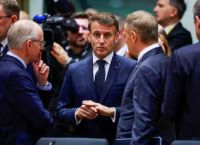
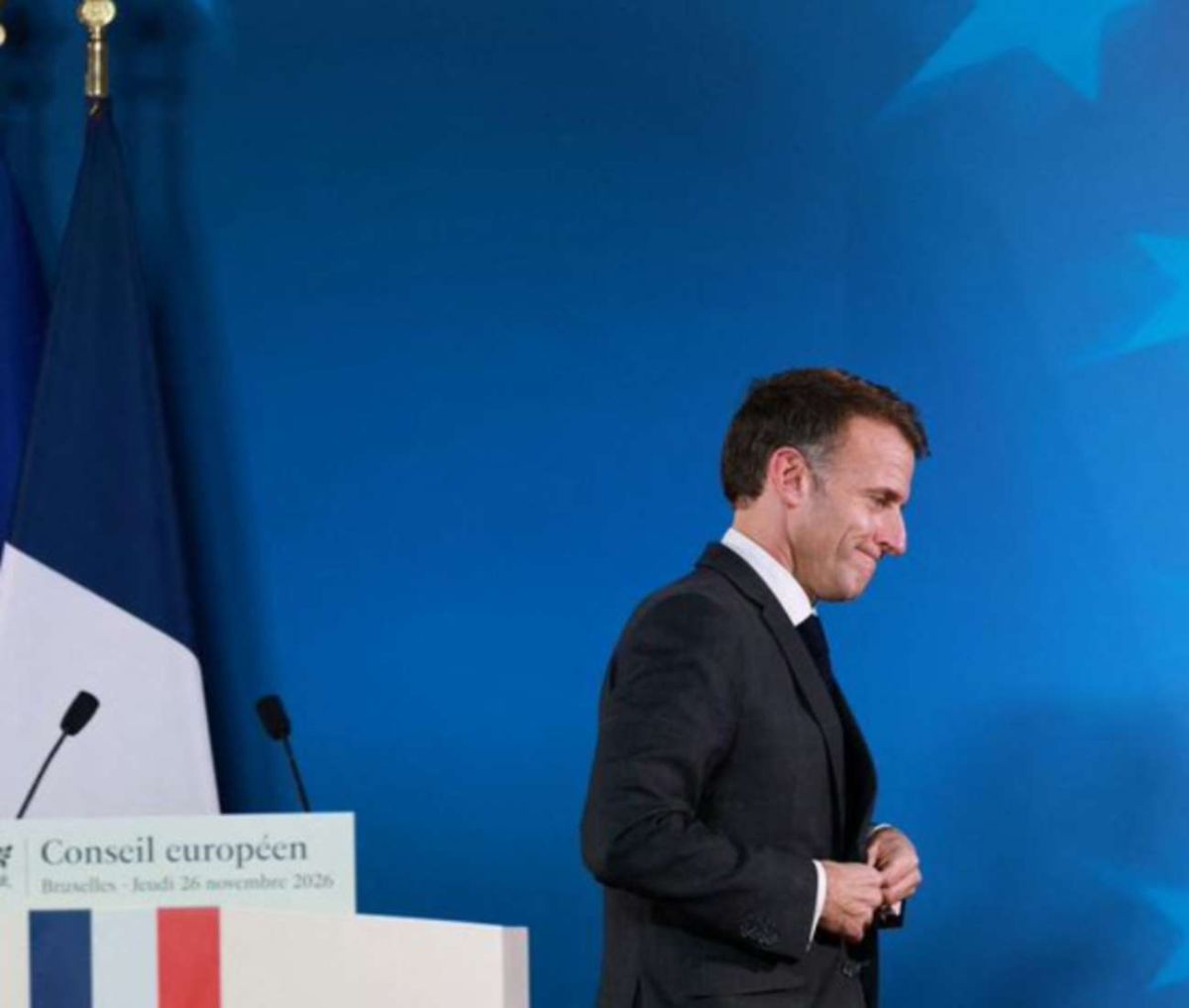
Emmanuel Macron has given himself until December 31 to settle Europe’s next seven-year budget. After that, the French president told reporters, the election would be too close for him to reopen negotiations. But the November 26 summit in Brussels exposed how far apart the 27 governments still are. Leaders dropped a planned second day of talks, leaving the December 17–18 European Council as the next opportunity to reach a deal.
“We didn’t reach an agreement,” European Council President António Costa said after the meeting. Some governments wanted deeper cuts. Most opposed them, he said, and a large majority wanted to protect funding for agriculture and poorer regions. Those divisions would be difficult to resolve even without a French presidential election approaching.
What Le Pen could change
Marine Le Pen has pledged to cap France’s annual contribution to the EU budget at €5 billion and end French financial support for Ukraine if she wins the presidency in spring 2027. France, the EU’s second-largest net contributor after Germany, pays between €21 billion and €31 billion a year before EU spending in France is counted. Its net contribution is around €9 billion, according to Reuters. Le Pen has yet to specify whether her proposed cap refers to the gross or net figure.
A December summit deal would give Paris and Berlin a political agreement to defend. The legal timetable would still matter. The Council must adopt the seven-year spending framework unanimously after securing the European Parliament’s consent. The separate decision governing how the EU raises its revenue also requires unanimity and approval in each member state under its constitutional rules. If those steps are still pending when France’s next president takes office, Paris could withhold its consent in the Council.
The fight over who pays
Costa’s €1.582 trillion proposal cuts the overall envelope by 10.2% from the European Commission’s July 2025 plan, according to the European Council. Governments that pay more into the EU budget than they receive are pressing for tighter spending and, in some cases, rebates. Others want to protect farm support and cohesion funding, even as governments seek more money for defence, research and technology.
National contributions tied to gross national income provide the largest share of EU revenue. Costa’s proposal would supplement them with new sources, including revenue linked to emissions trading and a contribution from large digital companies. The dispute is over how much those sources should raise and how much governments should still pay directly.
Ukraine adds a second deadline
The EU has already approved a €90 billion loan for Ukraine for 2026–2027. Leaders are now discussing an additional €45 billion loan for 2027, and Germany has linked its backing for the long-term budget to participation by all 27 member states. The next budget proposal also provides for up to €100 billion in support for Ukraine from 2028 to 2034.
The December summit will test whether leaders can settle those disputes while Macron is still willing to sign off on a deal. If they leave Brussels without one, the French election could change the position of one of the bloc’s biggest contributors while the terms of the budget are still open.
Source: pagenews.gr
Διαβάστε όλες τις τελευταίες Ειδήσεις από την Ελλάδα και τον Κόσμο