Greece at a Window of Opportunity for 30 AH-64D Longbow Apaches
 ΧΡΟΝΟΣ ΑΝΑΓΝΩΣΗΣ 3 '
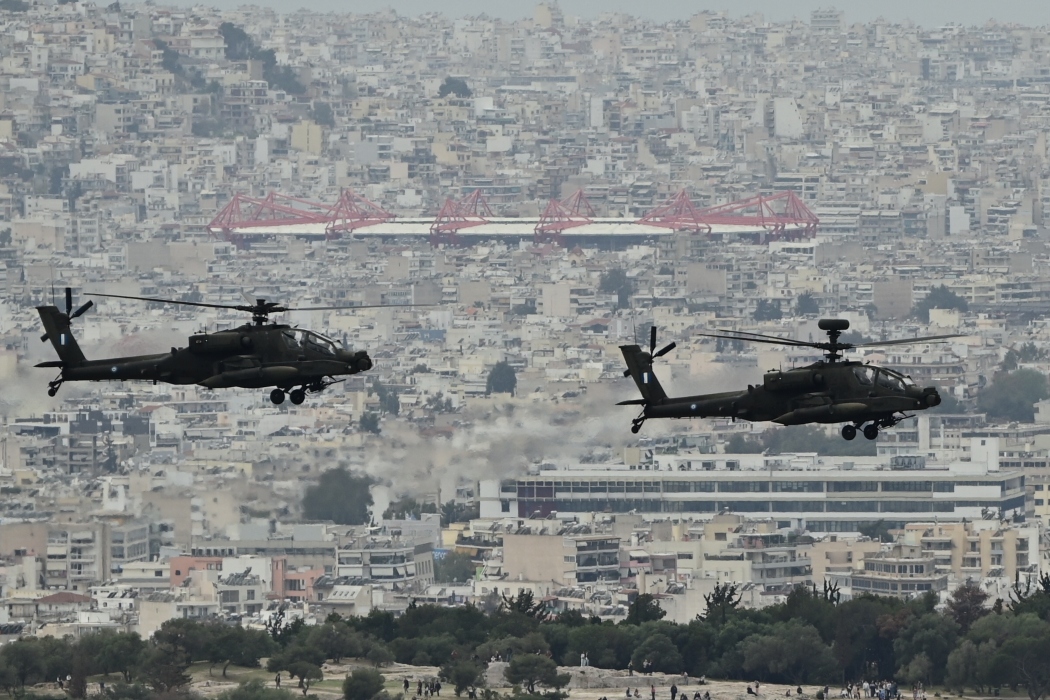
Πηγή Φωτογραφίας: [376751] ΣΤΡΑΤΙΩΤΙΚΗ ΠΑΡΕΛΑΣΗ ΣΤΗΝ ΑΘΗΝΑ ΓΙΑ ΤΗΝ ΕΘΝΙΚΗ ΕΠΕΤΕΙΟ ΤΗΣ 25ης ΜΑΡΤΙΟΥ 1821 (ΣΩΤΗΡΗΣ ΔΗΜΗΤΡΟΠΟΥΛΟΣ/EUROKINISSI)



Greece is moving to acquire up to 30 surplus AH-64D Longbow Apache attack helicopters from U.S. stocks — a development that, if completed, would offer a fast and relatively affordable boost to the Hellenic Army Aviation’s strike capability and fleet commonality. The reports of Athens’ approach to a transfer follow a wider U.S. realignment that is retiring many D-model Apaches in favour of a more uniform AH-64E fleet, creating export/transfer opportunities for partner nations.
What the Transfer Would Mean in Practice
If approved, 30 AH-64D airframes would materially increase Greece’s organic attack-helicopter force, filling capability gaps and improving operational flexibility. Because Greece already operates Apaches (older A/A+ types and some D-models), integrating additional D-series helicopters could be faster than introducing an entirely new type, shortening training and tempo-to-readiness.
Economically, buying surplus D-models is significantly cheaper than buying new AH-64E aircraft, and delivery timelines for used airframes are usually shorter. There is also a path to later remanufacture or upgrade toward E-standard if Athens chooses a long-term modernization route — turning an interim purchase into a phased modernization programme.
Operational Strengths
The AH-64D with the Longbow radar remains a potent anti-armour and precision-strike platform: rapid target detection and engagement, modern sensors, and weapons integration (Hellfire missiles, rockets, targeting pods) all improve battlefield lethality and deterrence. A 30-aircraft batch also creates economies of scale for spare parts, maintenance, and training compared with operating small, scattered fleets.
Risks and Challenges
There are clear caveats. Many D-model airframes are aging and will need investment in inspections, overhaul, and component replacement; lifecycle costs can rise quickly. Securing long-term supply of spares, engine support, and electronics is essential and typically handled through an FMS package and sustainment contracts. Transfers of U.S. military equipment also require U.S. administrative approvals and, in many cases, congressional notification — steps that can extend timelines and add conditions.
Integrating or retaining certain systems (Longbow radar, Link-16, specific weapons) may require additional technical agreements and possibly further procurement to harmonize communications and fire-control across units.
Strategic Implications
Regionally, the transfer would strengthen Greece’s deterrent posture in the eastern Mediterranean by improving maritime-strike coverage and close support for land forces. Politically, the move signals deeper defence cooperation with the United States and a readiness to assume more demanding operational roles alongside NATO partners. But because D-models are effectively an interim step compared with E-model Apaches, Athens should embed the purchase within a broader, multi-year force-modernization plan (air, ISR, missiles/UAVs, and C4ISR) rather than treat it as an end in itself.
The prospect of acquiring 30 AH-64D Longbow Apaches represents a near-term, cost-effective opportunity to raise Greece’s attack-helicopter capability and fleet commonality. To convert this window into long-term advantage, Athens must secure robust sustainment and upgrade pathways, budget for lifecycle costs, and align the purchase with a clear strategic modernization roadmap.
Source: pagenews.gr
Διαβάστε όλες τις τελευταίες Ειδήσεις από την Ελλάδα και τον Κόσμο